


Valencia · Valencian Community · Spain
Things to See and Do in Valencia: What's Actually Worth Seeing
A firsthand local guide to Valencia, Spain. From historic El Carmen alleys and biking the Turia riverbed to the City of Arts and Sciences, beach days, and real paella.
At a glance
- Best time to visit
- Year-round; spring and autumn offer the absolute best walking weather
- Time needed
- 2 to 3 full days hits the sweet spot for the center, Turia park, and beaches
- Getting around
- Walkable historic core, fantastic protected bike lanes, SUMA 10 card for transit
- Where to stay
- Ciutat Vella or El Carmen for first-timers; Ruzafa for dining; Cabanyal for the beach
Living in Valencia for 5 years, including three years right in El Carmen, you quickly see why the city works so well. It is not overwhelming like Madrid or Barcelona, but compact, sunny, and very walkable. Valencia's biggest draw is its everyday lifestyle: the green Turia Gardens where the whole city exercises and hangs out, and wide beaches just a short ride from the center.
Whether you have one day, a weekend, or four days, this guide focuses on what is actually worth seeing: the main sights, quiet corners most tourists miss, my favorite food spots, and practical tips.
The Best Things to Do in Valencia (By Area)
1. The Historic Core (Ciutat Vella & El Carmen)
Having lived in El Carmen for three years, this is the neighborhood I know inside and out, and it is where every first visit should begin. Ciutat Vella (the Old Town) is compact, historic, and best explored on foot.
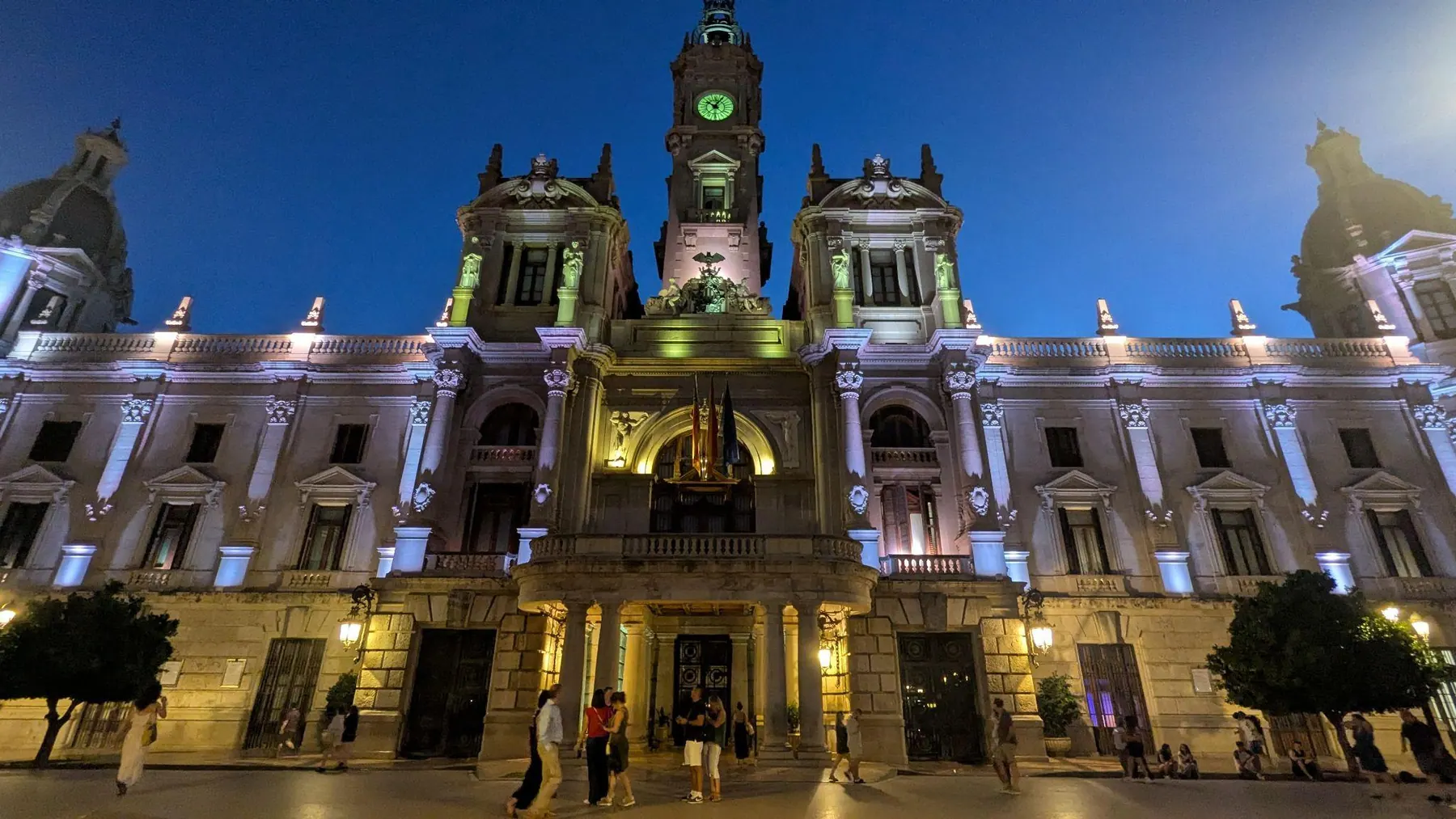
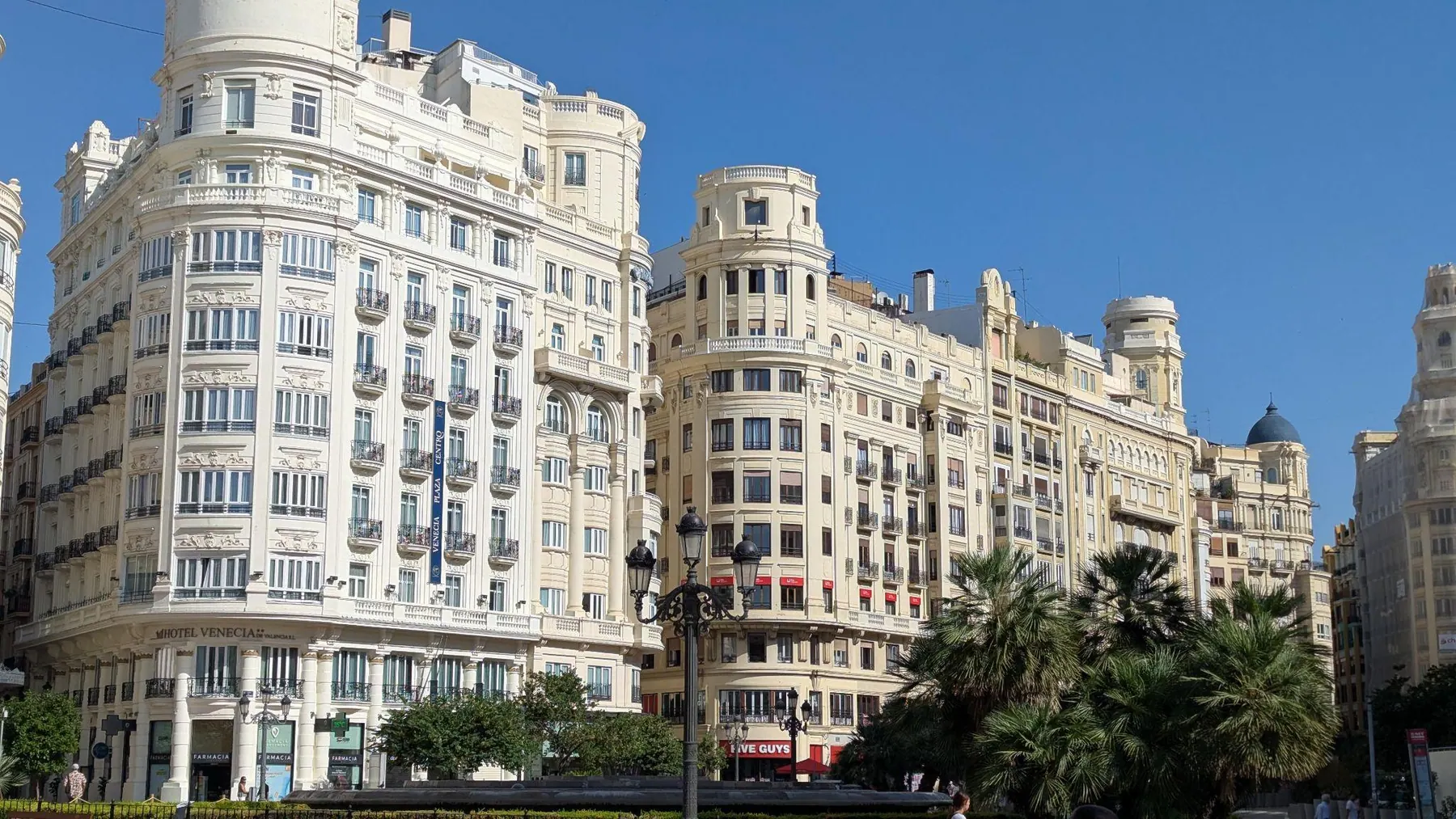
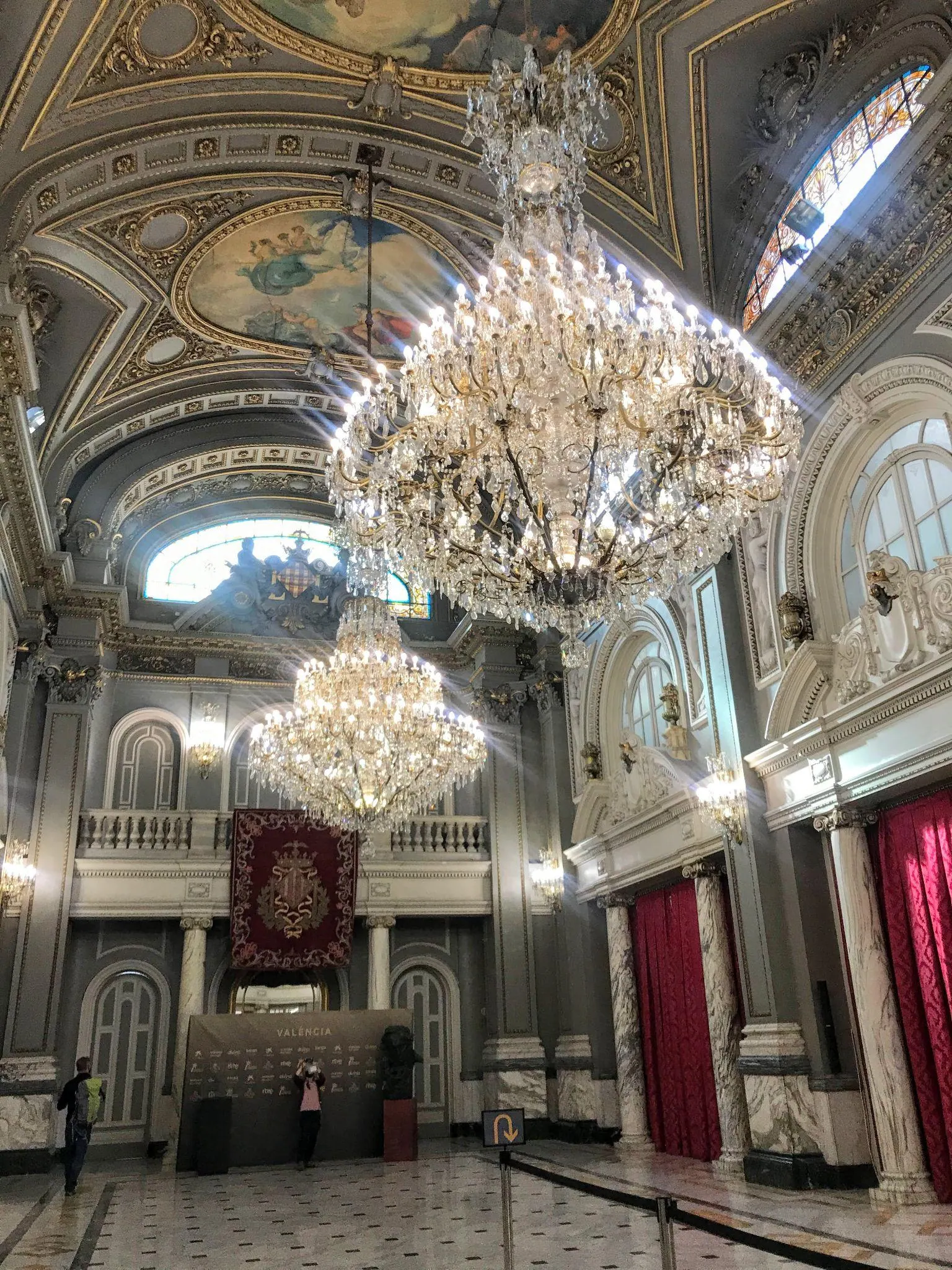
- Plaza del Ayuntamiento (City Hall Square): I will start with Plaza del Ayuntamiento, the grand civic heart of Valencia. The monumental architecture framing the square is immediately striking: neoclassical facades, lively flower kiosks, and the historic central post office (Edificio de Correos) with its magnificent stained-glass dome inside. You can also visit inside the City Hall (Ayuntamiento de Valencia): the rooms are beautiful, especially the Crystal Room (Salón de Cristal), but it is usually open during the first part of the day on workdays. Whenever my family visits Valencia, this is the square they remember most vividly.
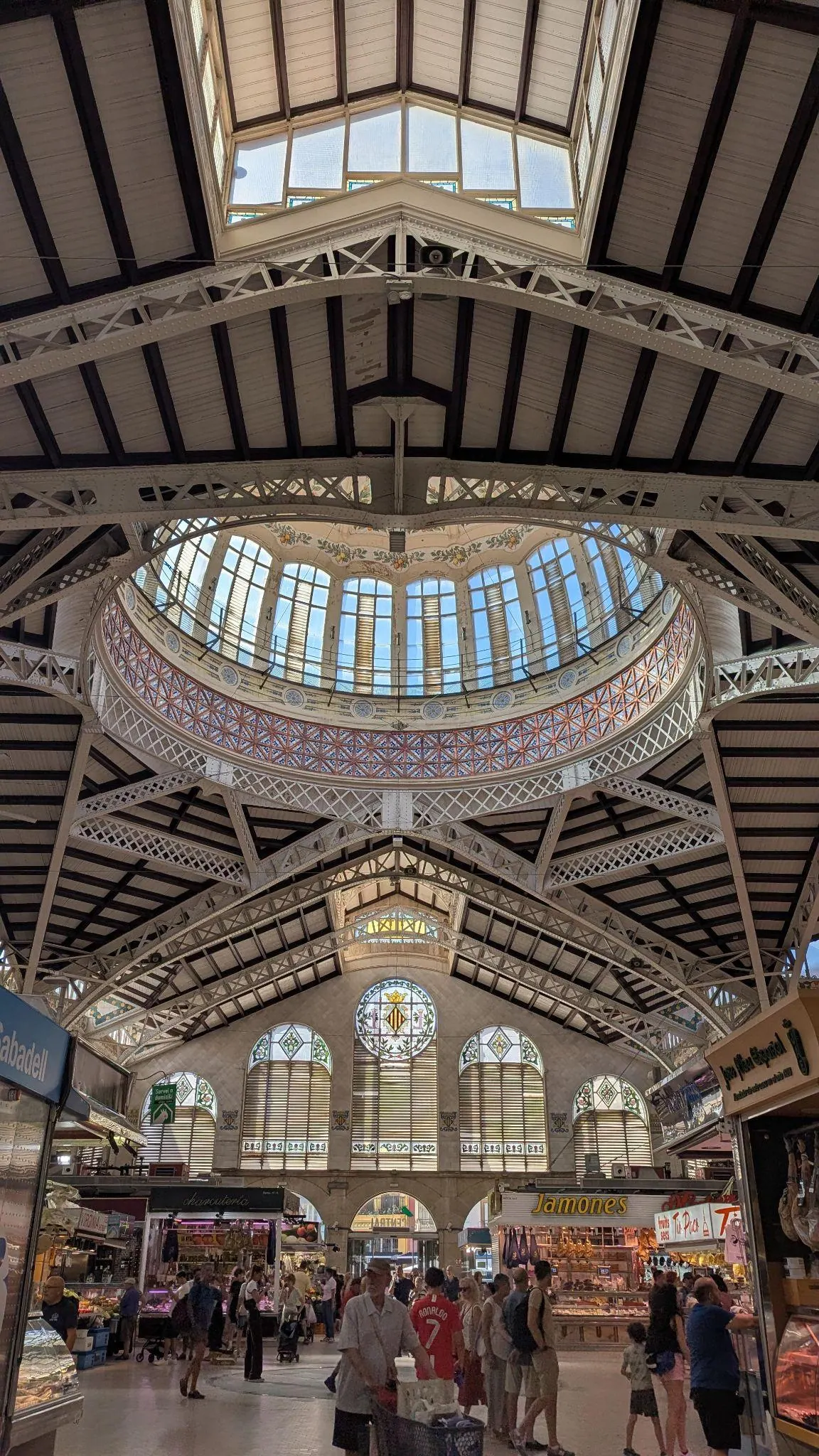
- Mercado Central (Central Market): Aim to get here around 09:00 or 10:00 before the big crowds roll in. (Remember it’s closed Sundays, and stalls pack up around 14:30). Under its towering iron-and-glass dome, hundreds of market stalls overflow with freshly picked Valencian oranges, mountains of Mediterranean seafood, legs of cured jamón ibérico, and giant garrofó beans. It’s the ultimate spot to grab a freshly squeezed orange juice, fresh fruit tubs, or gourmet souvenirs to pack home. There are also great takeaway stands.
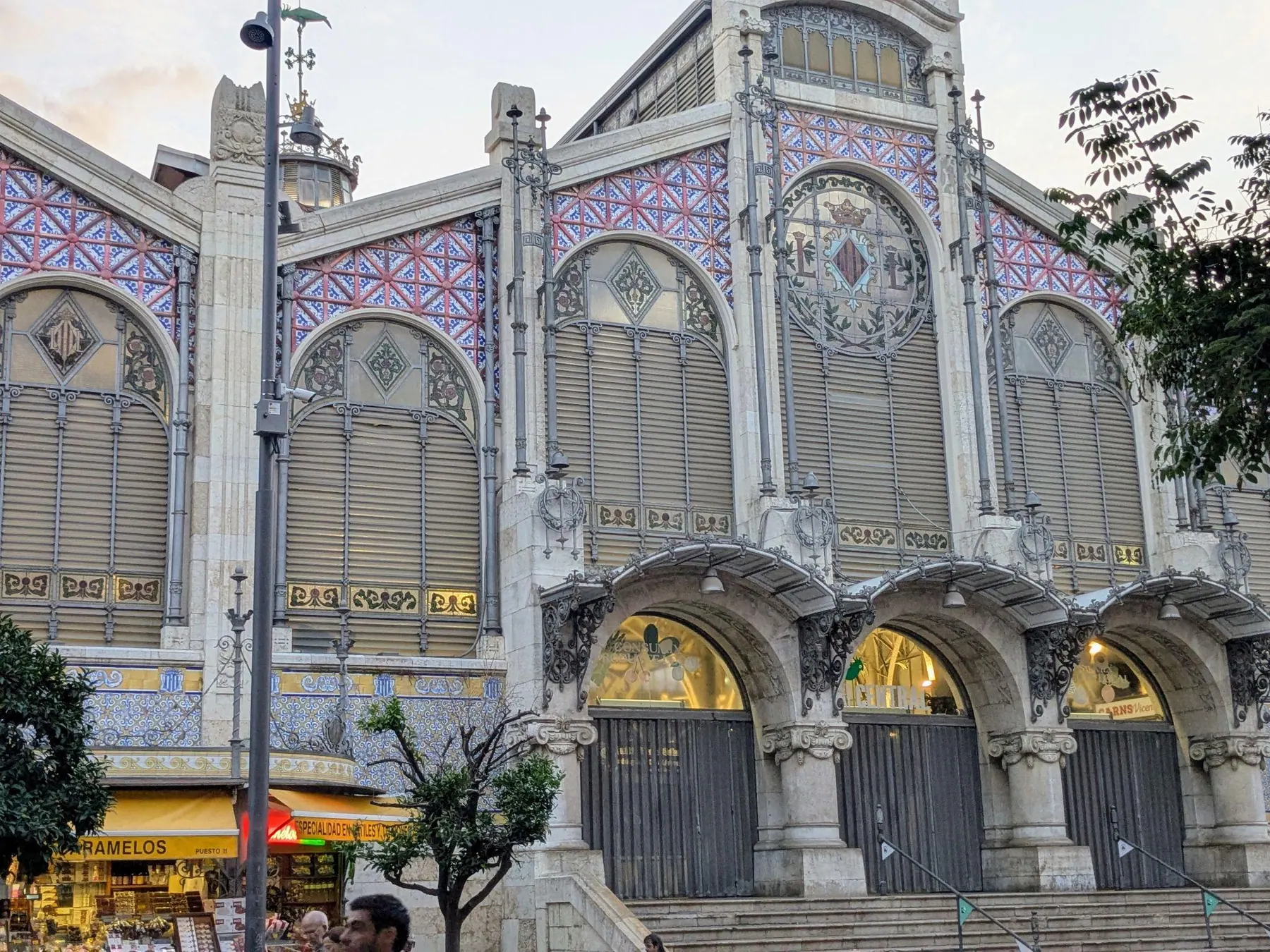
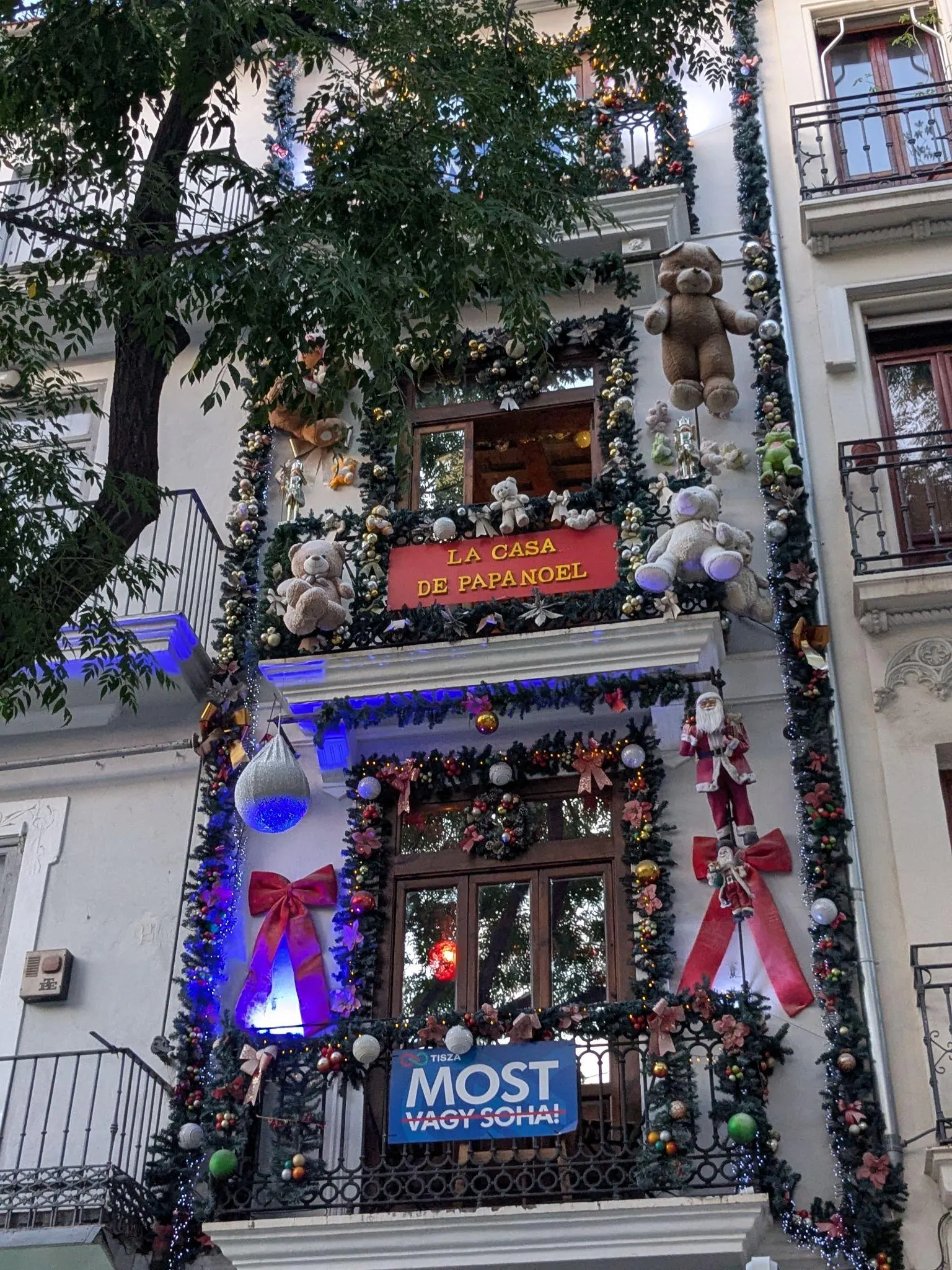
Plaza del Mercado add-on: A small detail: standing in front of Mercado Central on Plaza del Mercado (Market Square), this interesting “Christmas House” is there all year long. The weird thing is walking past it during summer under 40 degrees!
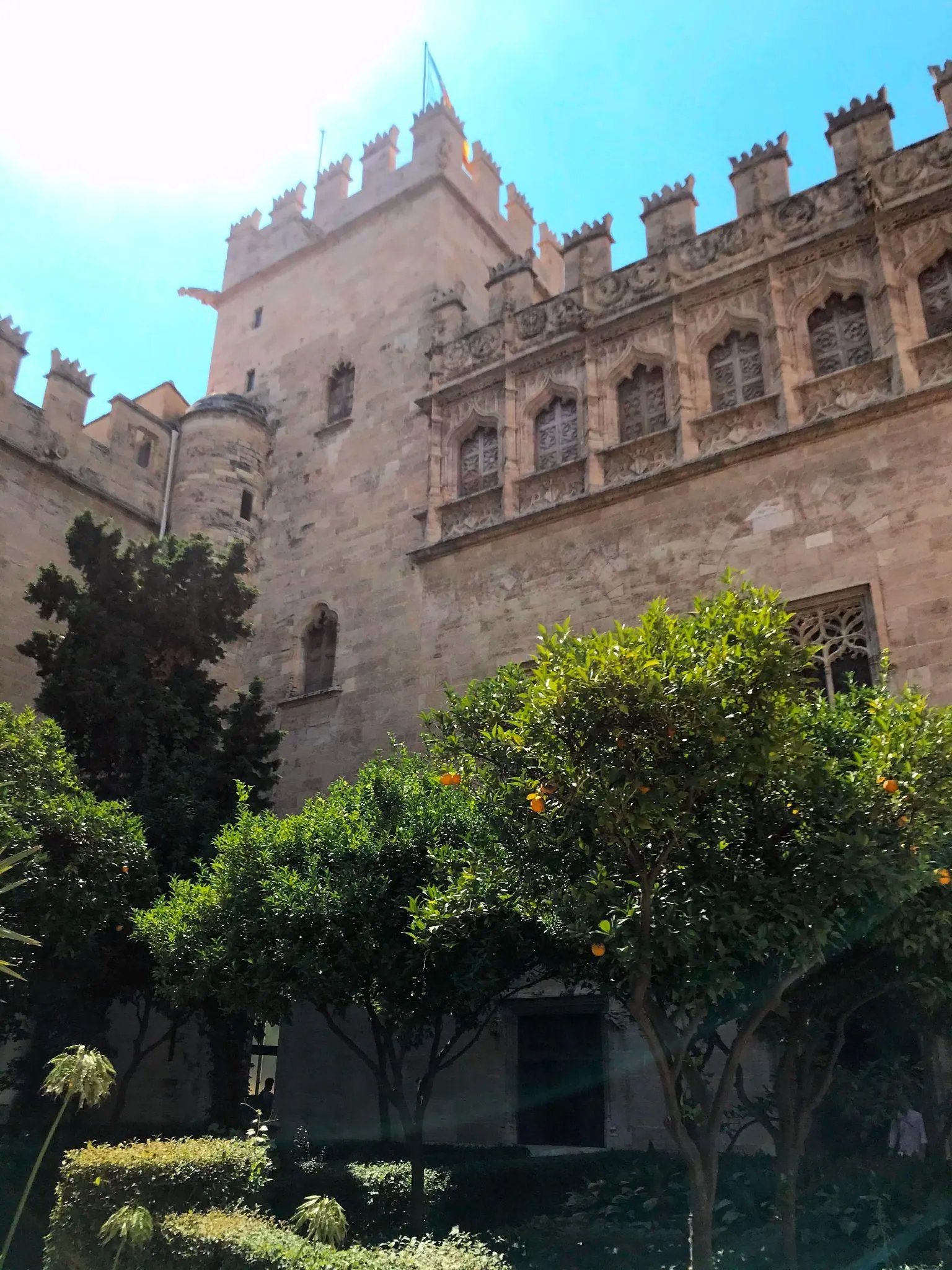
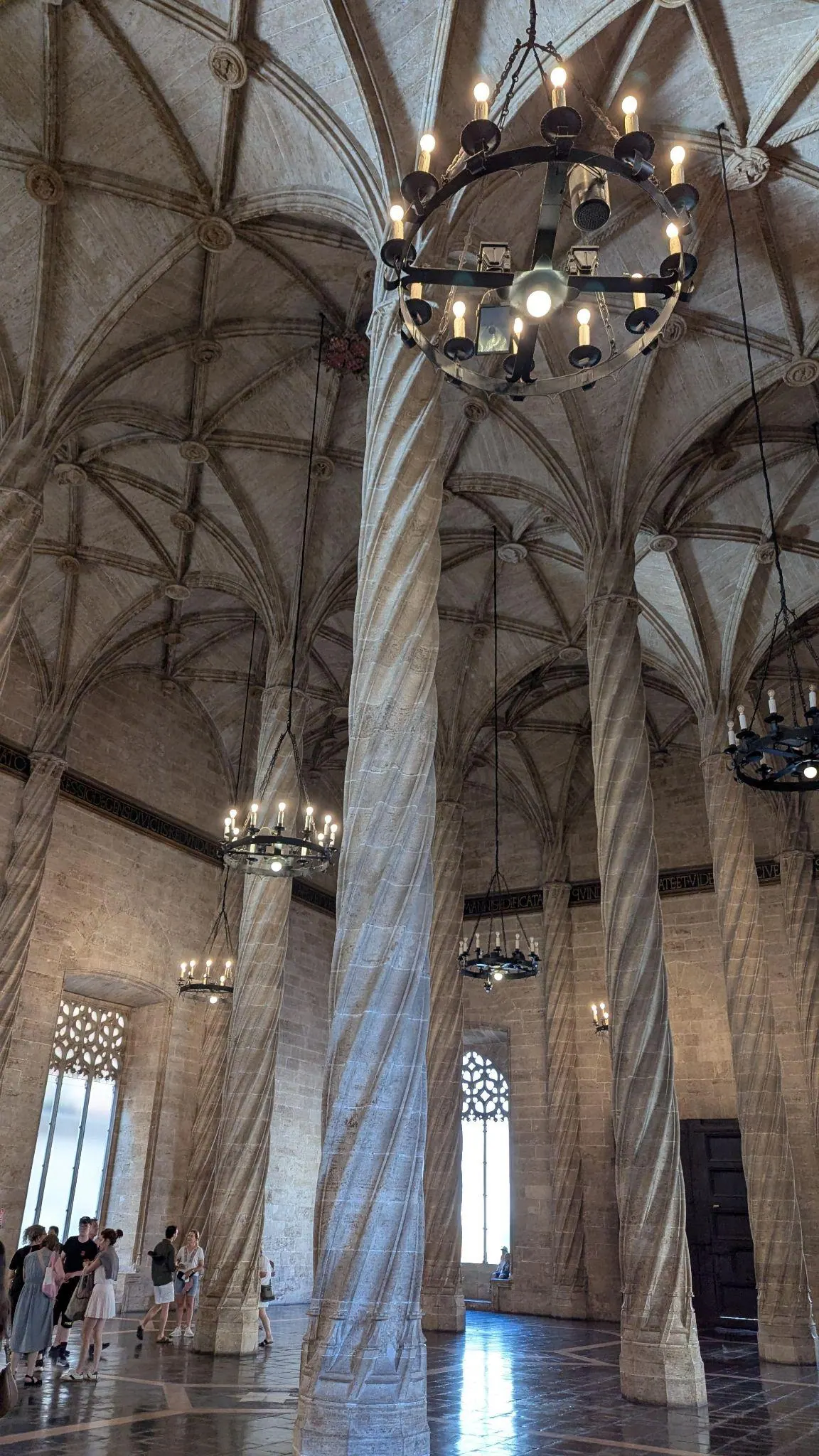
- Lonja de la Seda (The Silk Exchange): Sitting right across the street from the market, this late 15th-century UNESCO landmark is an absolute must-see. The main trading hall feels magical, with tall spiraling stone columns that twist up to the ceiling like stone palm trees, and a quiet courtyard of orange trees outside. Tickets are just €2 (or free on Sundays and holidays), and you can grab an audio guide at the desk. You only need about 30 to 40 minutes, but it’s unforgettable.
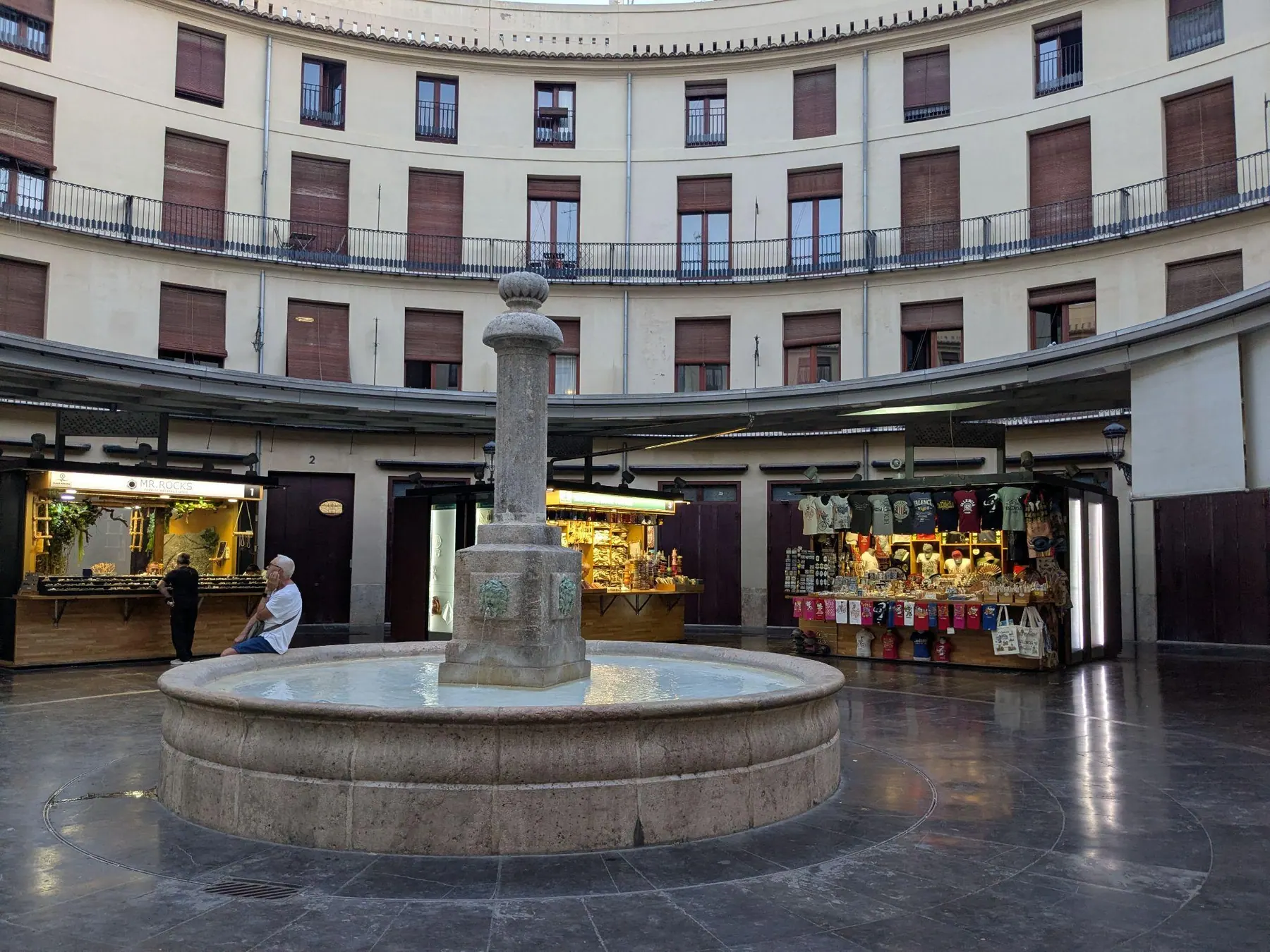
- Plaza Redonda (Round Square) & Horchatería Santa Catalina: Tucked away in the alleys behind the market, Plaza Redonda (Round Square) is a quirky circular plaza enclosed by lace stalls and cozy tapas bars. Just around the corner is Horchatería Santa Catalina, a legendary tile-covered cafe that has been serving cold horchata de chufa (sweet tiger-nut milk) since the 19th century. Order it ice-cold with warm, spongy fartons for dipping, or go for thick hot chocolate with crisp churros if you visit during cooler months.
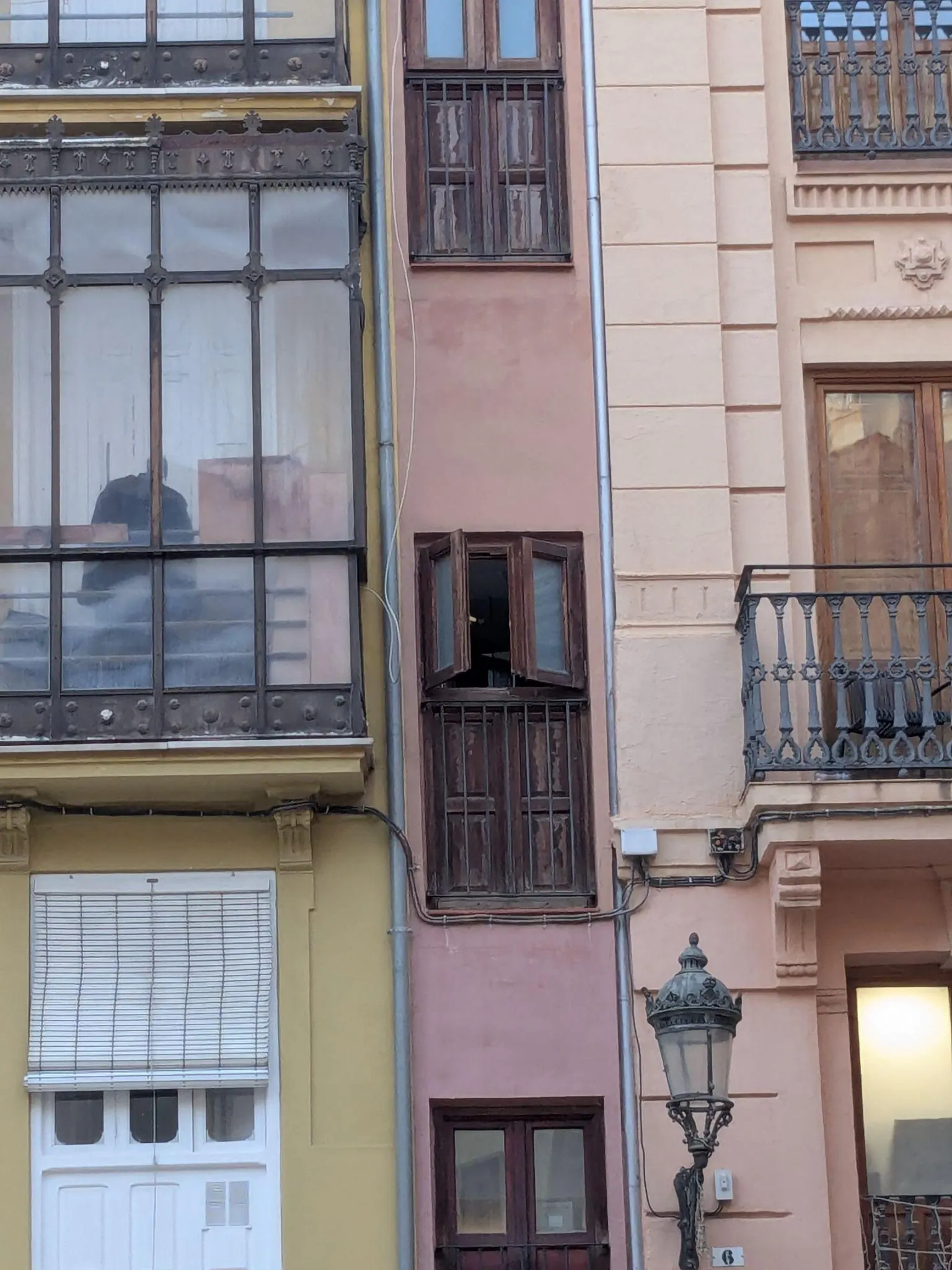
- La Estrecha (The Narrow House, Plaza Lope de Vega): Right next to the Santa Catalina bell tower in Plaza Lope de Vega, look out for an eye-catching five-story terracotta facade measuring barely 107 centimeters wide. Known as the narrowest facade in Spain (and one of the tightest in Europe), it’s a fun little double-take and a classic photo stop while wandering the square.
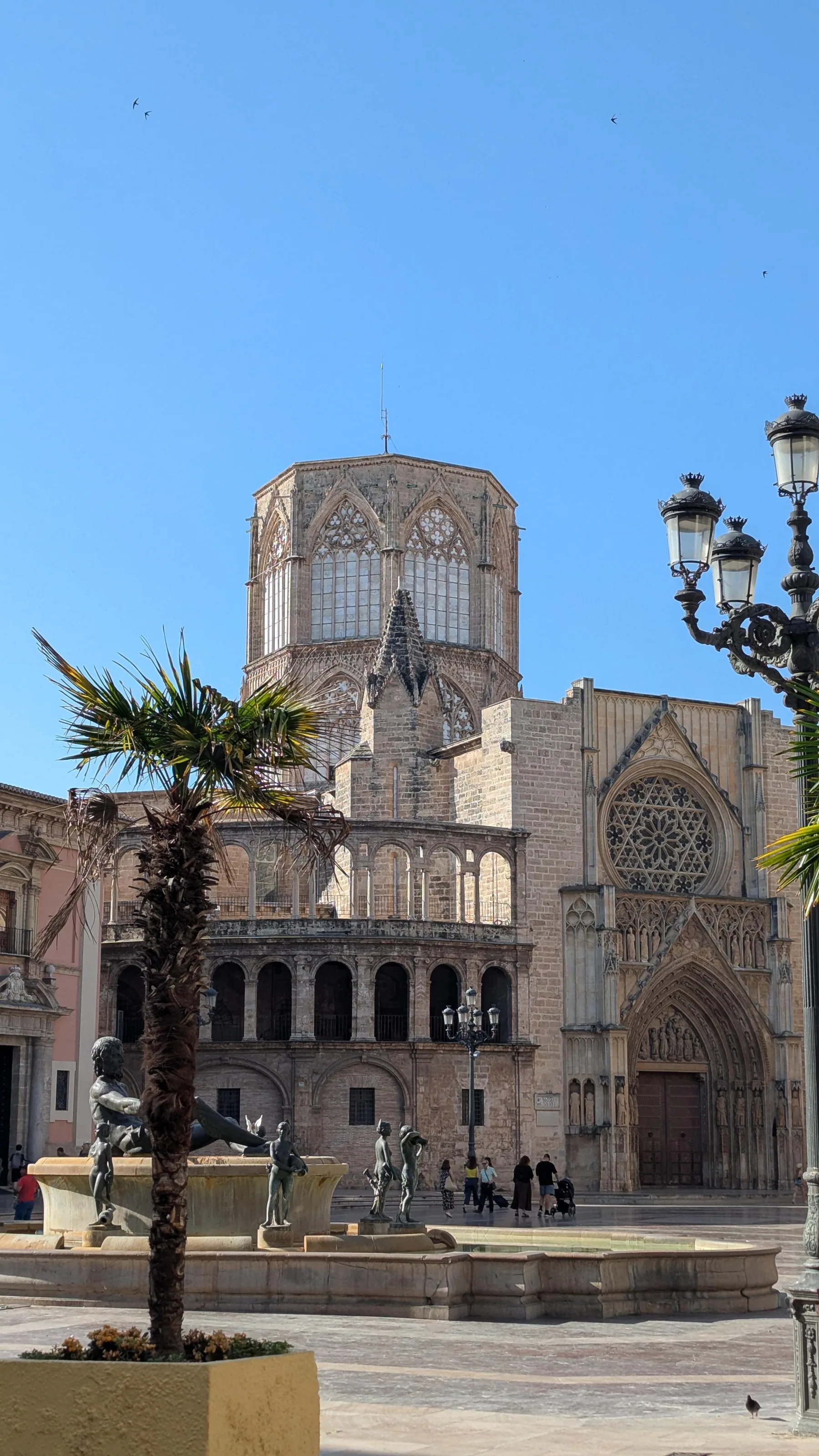
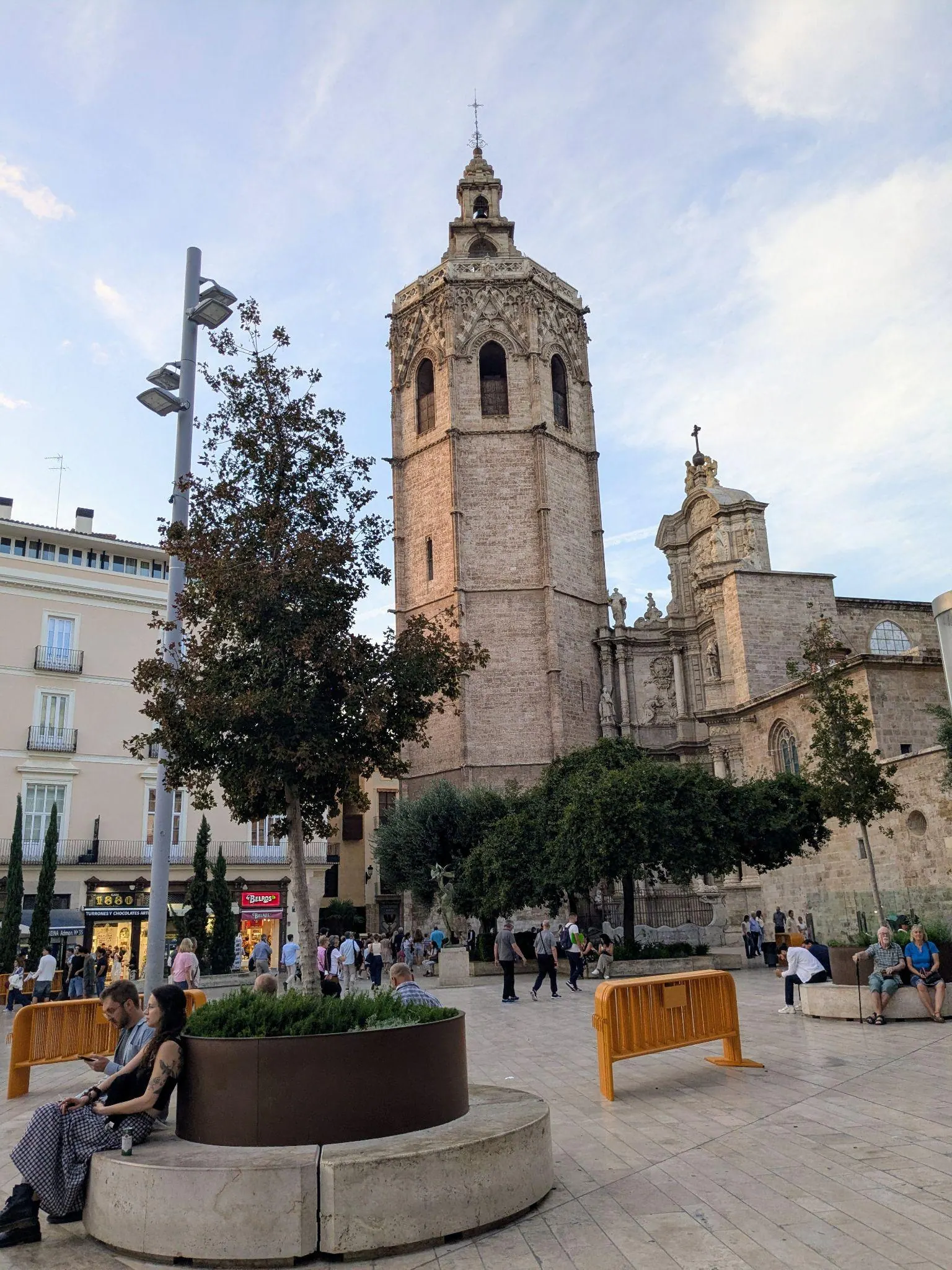
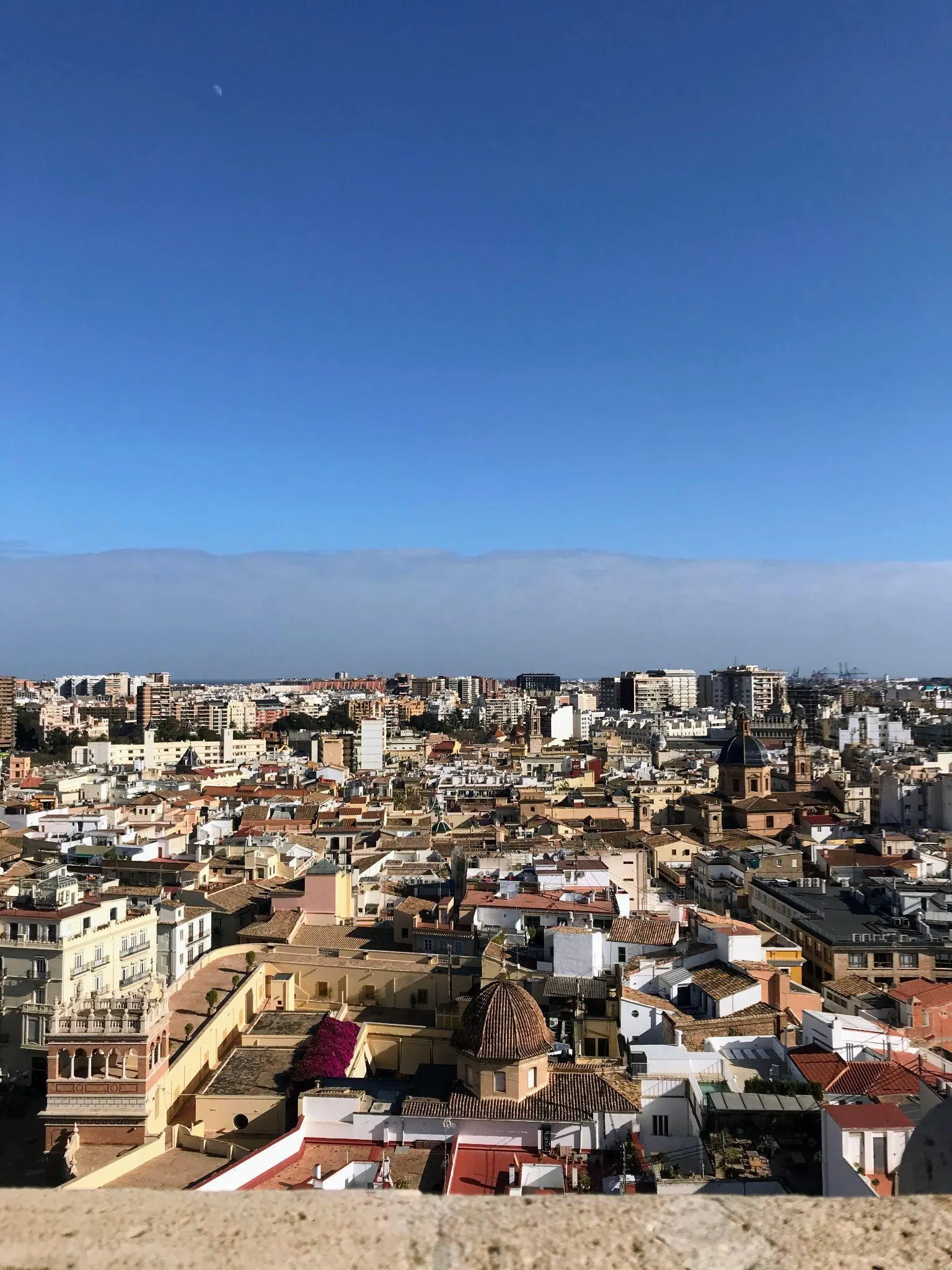
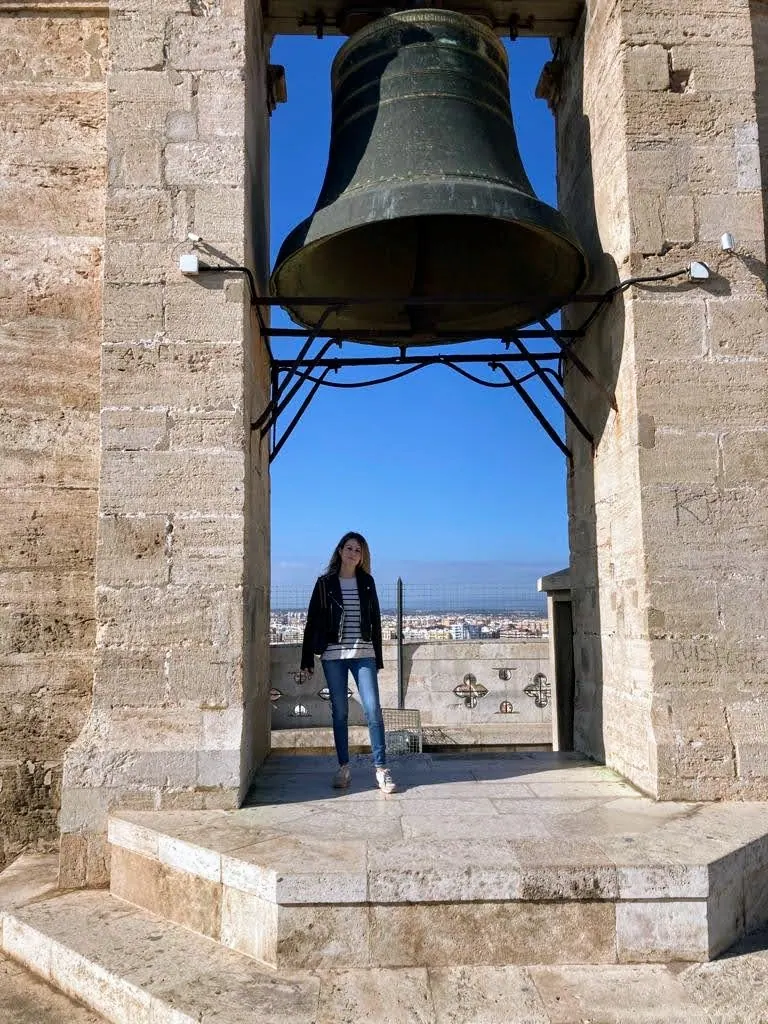
- Plaza de la Reina (Queen’s Square) & El Micalet Climb: Plaza de la Reina (Queen’s Square) is a lively, palm-filled pedestrian plaza sitting right before the Cathedral - perfect for grabbing an artisan gelato. Inside the Cathedral, you can tackle the climb up El Micalet (El Miguelete) bell tower. Keep in mind that it is quite steep: there are over 200 narrow spiral stone steps with no lift, but the 360-degree view looking out over the red-tiled roofs of the city makes the climb worthwhile.
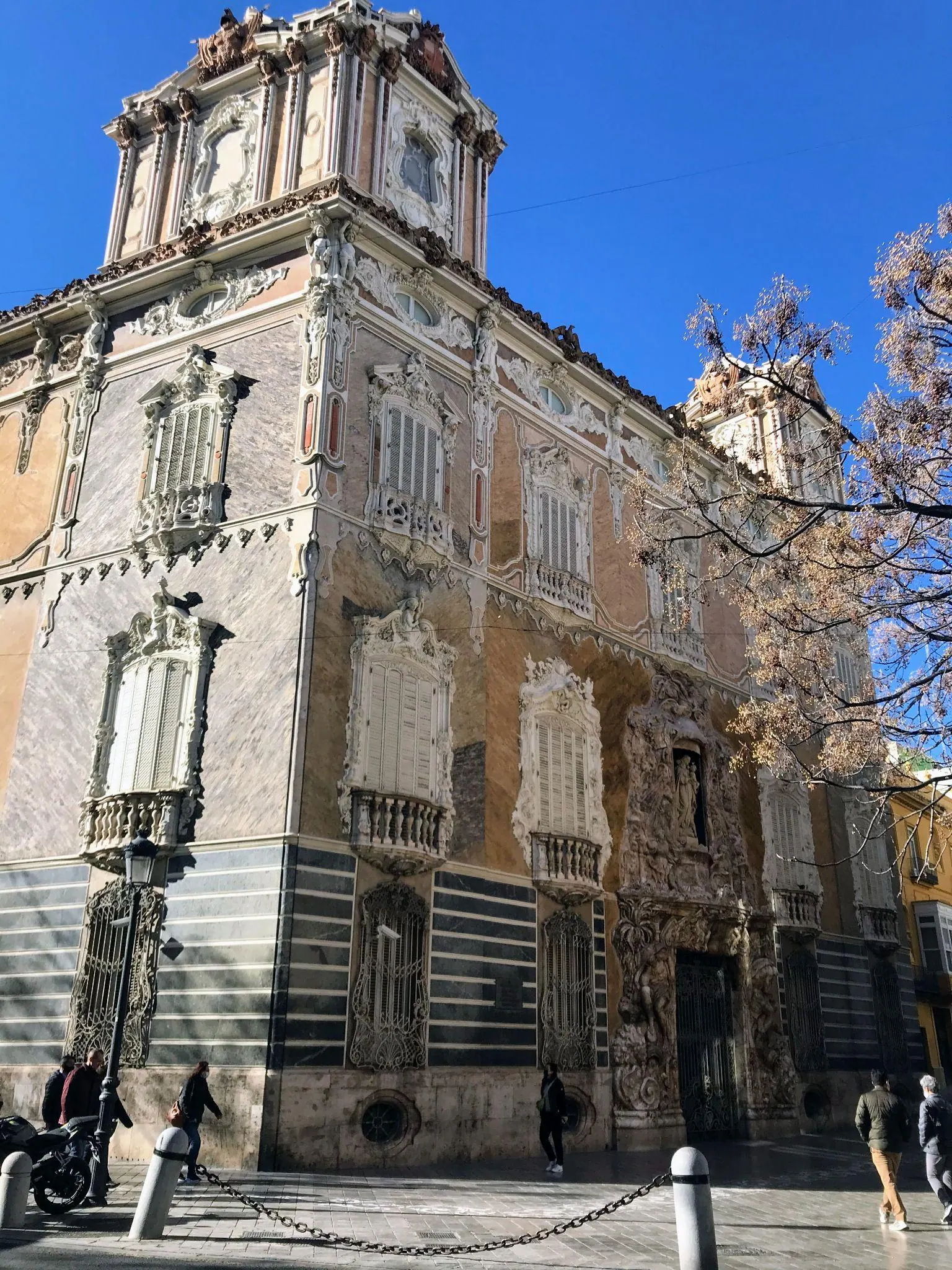
- Palacio del Marqués de Dos Aguas (Palace of the Marquis of Dos Aguas / National Ceramics Museum): Just a two-minute stroll south of Plaza de la Reina down Calle Poeta Querol, this is honestly one of my absolute favorite buildings in Valencia. The building feels like it is all knitted, and the museum inside is worth a look too. Inside, you can walk through grand old ballrooms with gold decorations from the 1700s, see historic carriages once pulled by horses, and check out a colorful tiled kitchen upstairs. If you only visit one historic palace in Valencia, make it this one.
- Centro de Arte Hortensia Herrero (CAHH): Just a short walk east of Plaza de la Reina down Calle del Mar, set inside the beautifully restored Palacio de Valeriola, this contemporary art center was created through the cultural patronage of Hortensia Herrero (whose family founded Mercadona, Spain’s dominant supermarket chain that originated right here in Valencia). Even if you are not typically into modern art, the space is really engaging: rooms have interactive sensory installations and works by big names like David Hockney, Jaume Plensa, and Olafur Eliasson. Best of all, under glass floors on the lower level, you can look straight down at excavated ruins of Valencia’s 2nd-century Roman Circus and the medieval Jewish quarter.
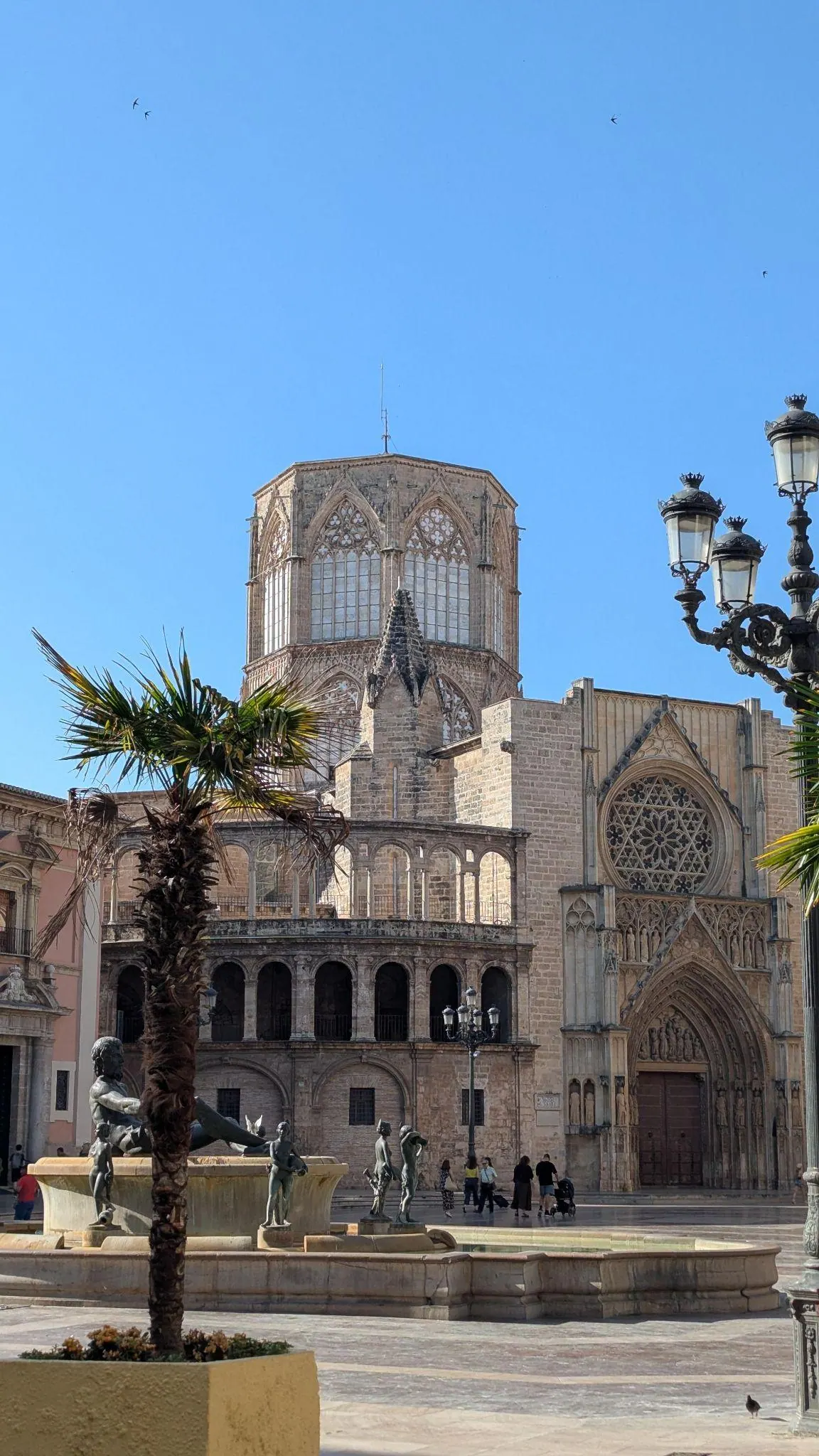
- Plaza de la Virgen (Virgin’s Square) & Fuente del Turia (Turia Fountain): Just behind the Cathedral, Plaza de la Virgen (Virgin’s Square) is an aesthetically very beautiful square. Framed by the Cathedral’s pinkish stone on one side and the Basilica on the other, the square centers around the bronze Fuente del Turia (Turia Fountain) fountain depicting Neptune surrounded by water nymphs. It also holds great religious importance for Valencia, especially during the Fallas festivities when the emotional flower offering (Ofrenda de Flores) to the patron saint takes place right in the middle of the square.
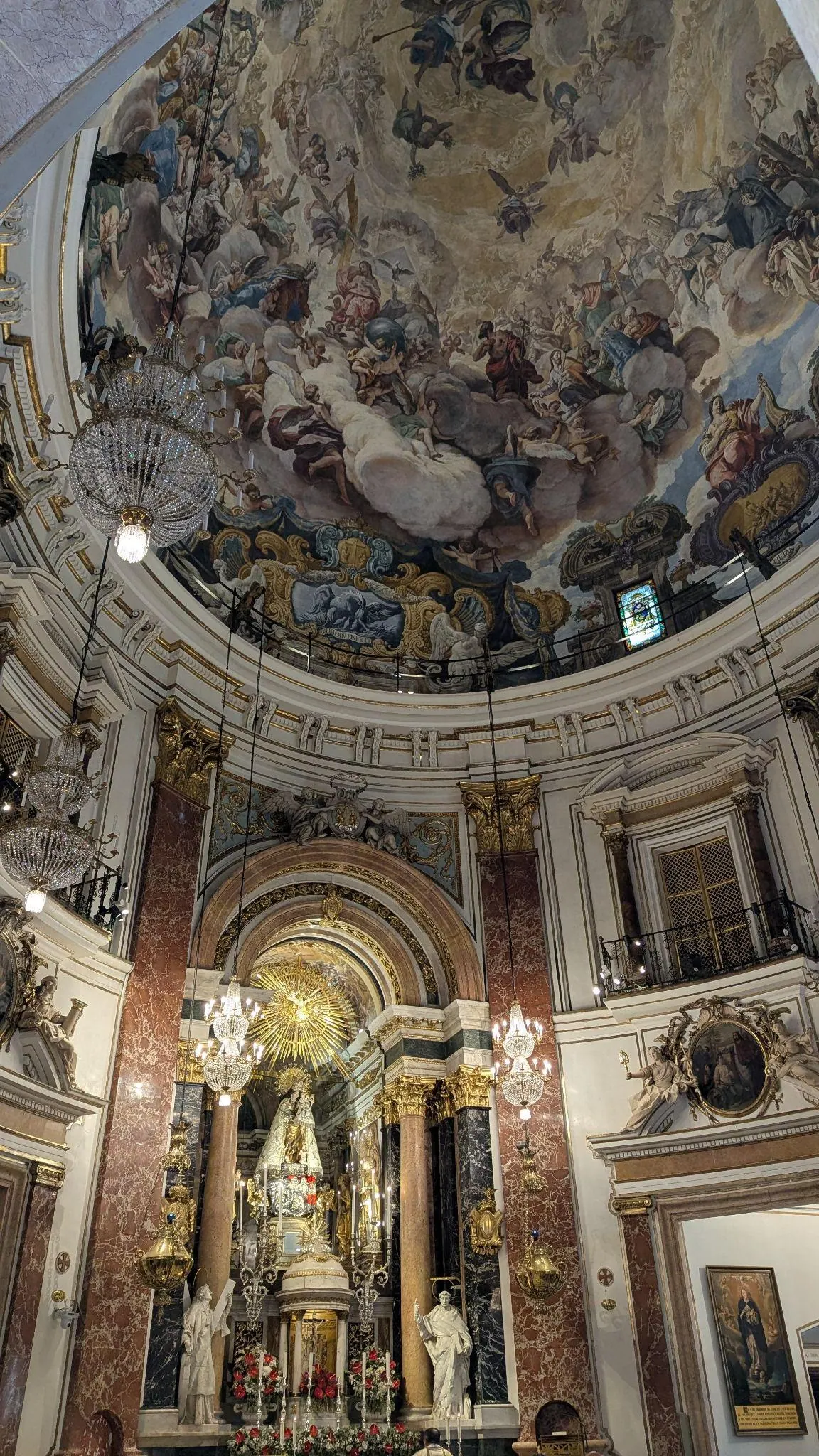
- Basílica de la Virgen de los Desamparados (Royal Basilica of Our Lady of the Forsaken): Sitting right on Plaza de la Virgen (Virgin’s Square), this 17th-century baroque basilica is dedicated to Valencia’s patron saint. Even if you’re not usually into churches, step inside for a couple of minutes - the unusual oval layout and the colorful painted ceiling dome by Antonio Palomino are stunning.
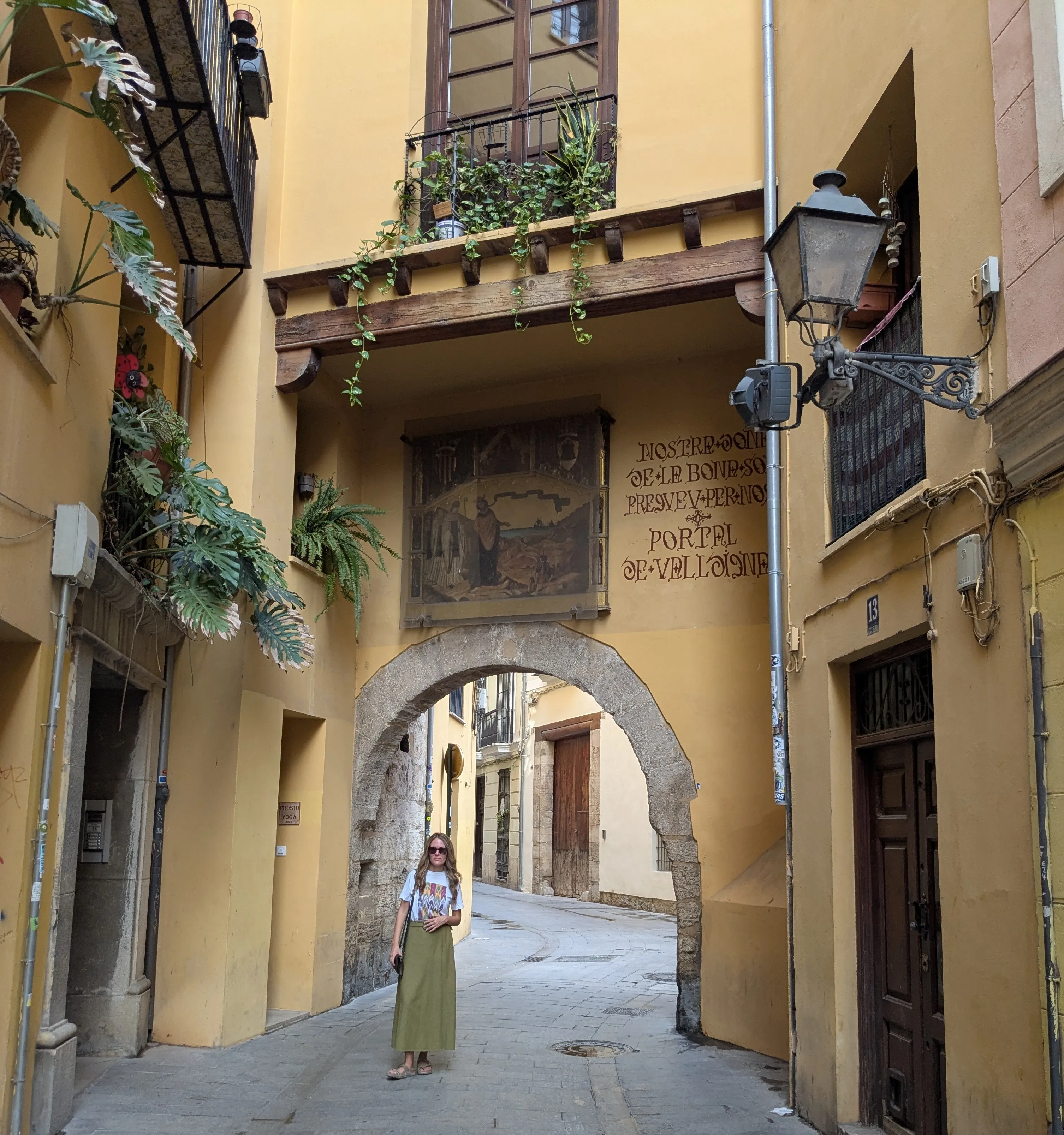
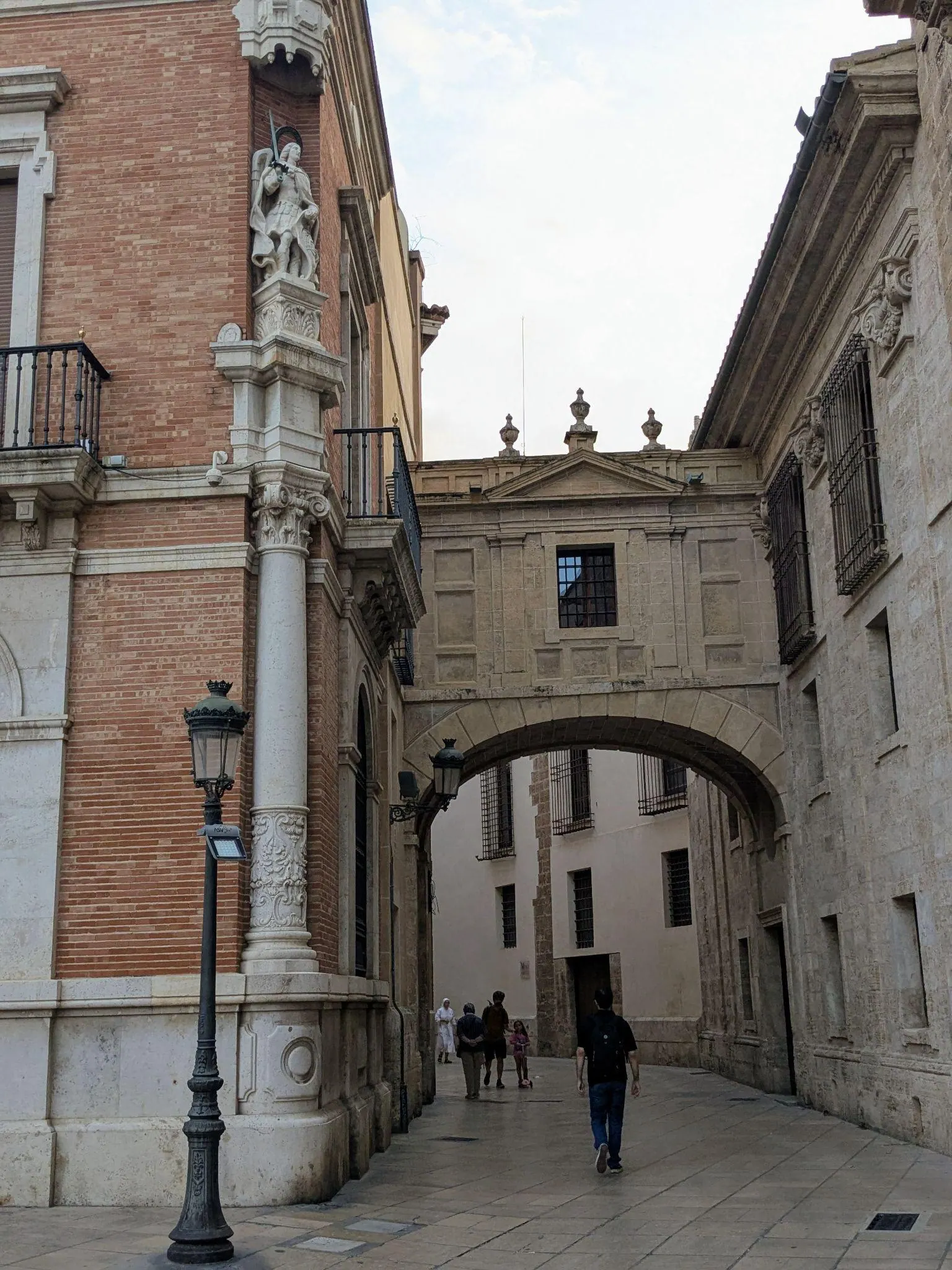
- Portal de Valldigna (Valldigna Gate) & Historic Cathedral Gateways: When I lived in El Carmen, I walked through this ancient stone arch almost every single day. Built in 1400 to separate the Christian city from the medieval Moorish quarter, it’s a quiet, atmospheric gateway into northern El Carmen. Looping around behind the Cathedral along Calle de la Barchilla, you’ll also spot the striking Arco de la Barchilla (Barchilla Arch), a high stone bridge connecting the Cathedral to the Archbishop’s Palace.
-
Church of San Nicolás (“The Valencian Sistine Chapel”): Hidden down a quiet alley off Calle Caballeros, this church looks very simple from the outside, so it is easy to walk right past it. But once you step inside, the interior is incredible. The entire ceiling is covered in almost 2,000 square meters of colorful baroque frescoes showing biblical scenes, which is why people call it the Sistine Chapel of Valencia. General tickets cost €16 online (€18 at the ticket desk, or €10 reduced) and include an audio guide, which is well worth it.
-
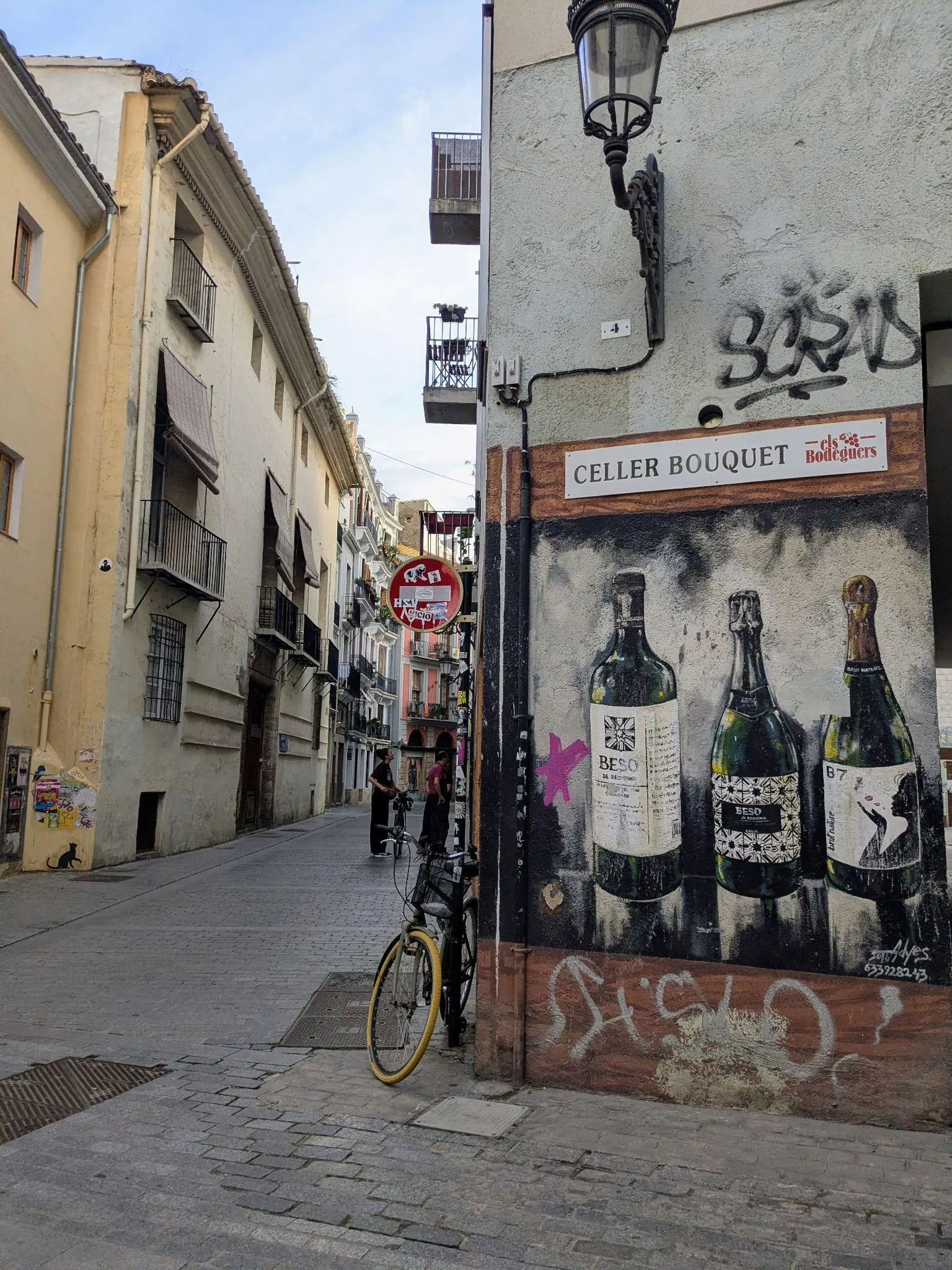
Plaza del Carmen (Carmen Square) & Calle del Museo (Museum Street): Heading deeper north into El Carmen, the neighborhood takes on a wonderfully artsy, bohemian feel, packed with creative street murals, independent galleries, and sunlit cafe terraces. Plaza del Carmen (Carmen Square) is one of my favorite spots to pause.
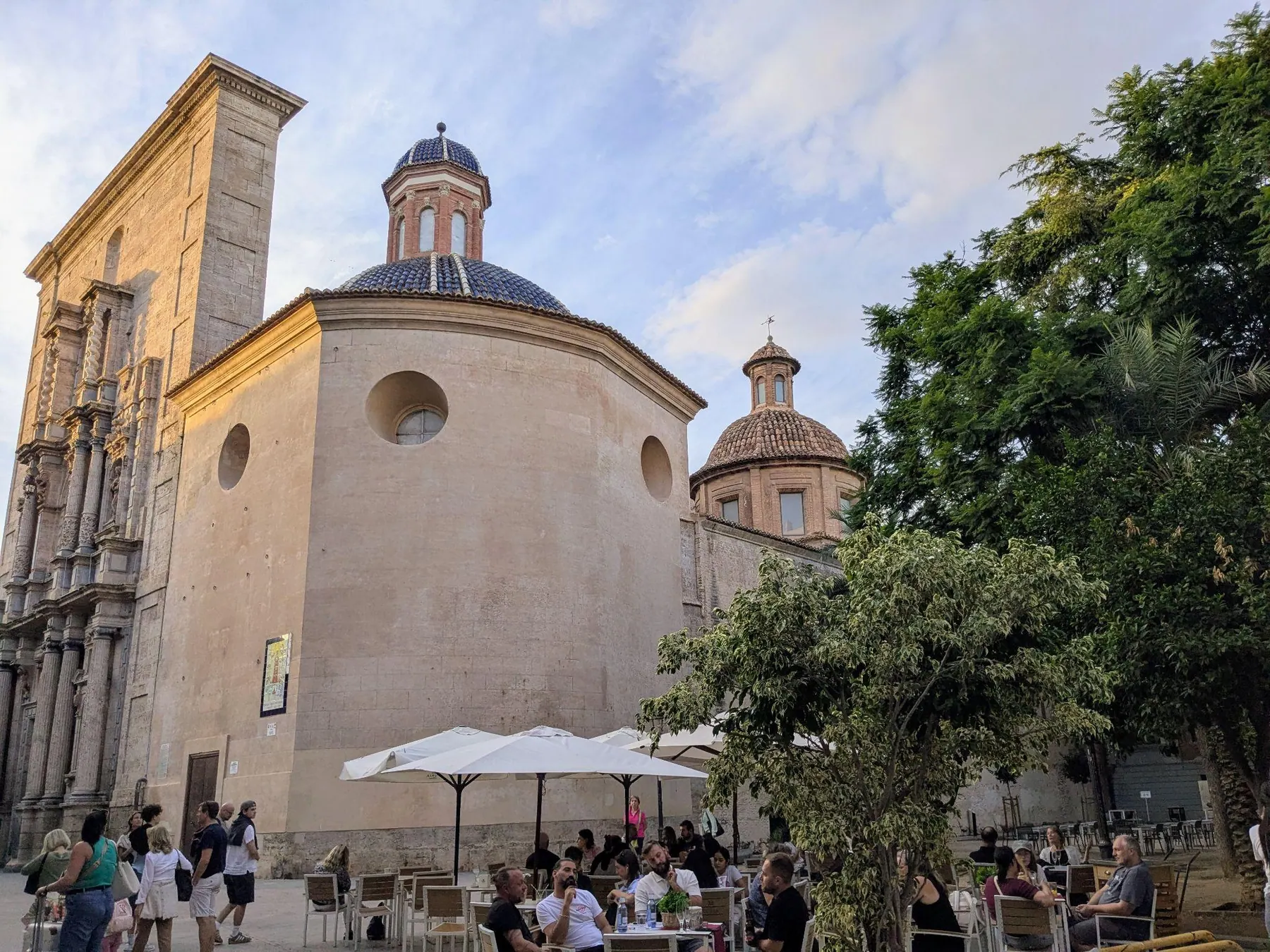
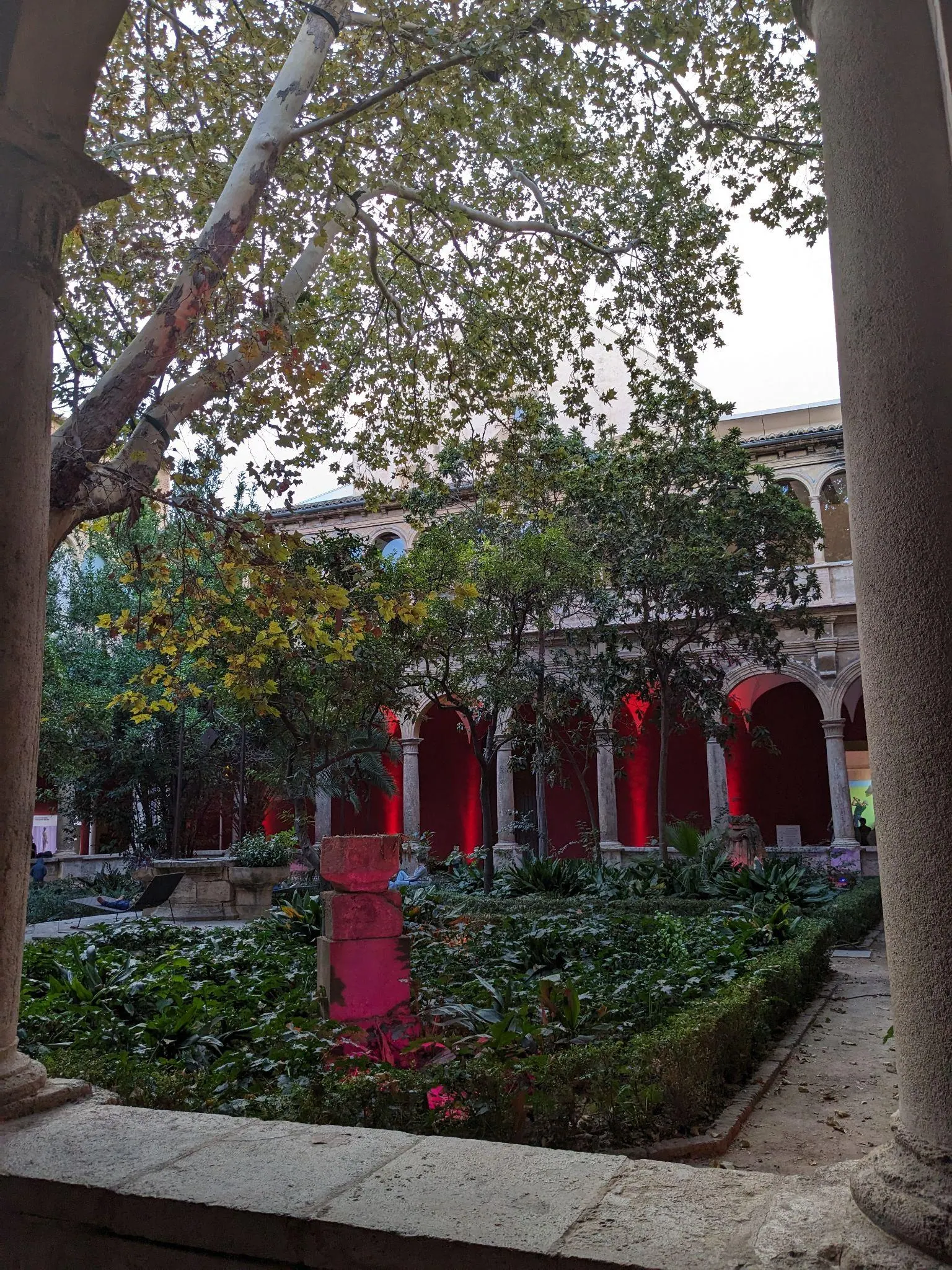
- CCCC (Centre del Carme Cultura Contemporània): The CCCC is my personal go-to art space in Valencia, and best of all, admission is 100% free. Tucked into northern El Carmen inside a peaceful 13th-century convent right next to Plaza del Carmen, you get this incredible contrast of quiet Gothic and Renaissance cloisters paired with playful modern installations, bold street art, and indie pop-up events. You don’t need tickets or reservations - just wander in whenever you want a quiet, inspiring pause.
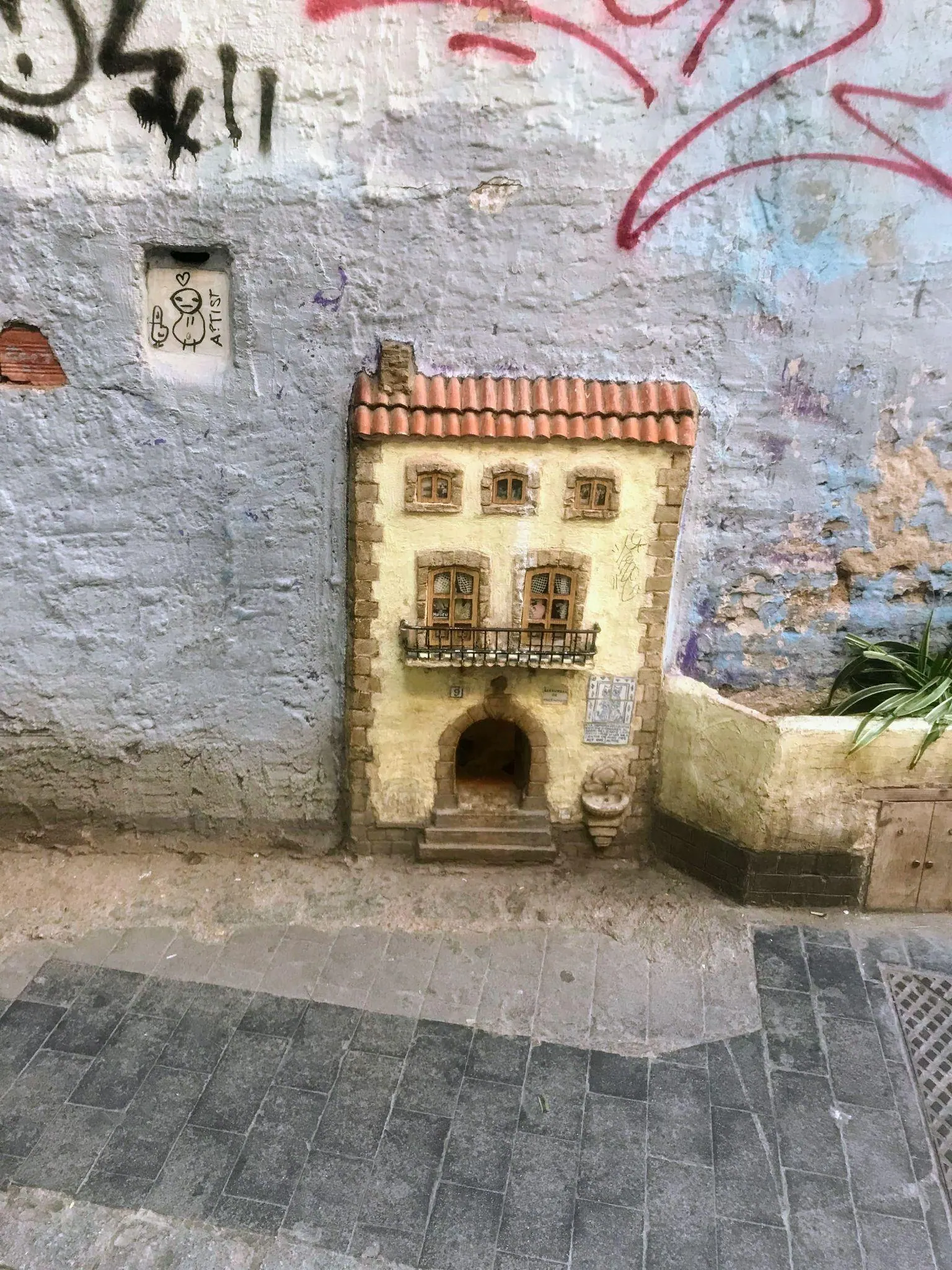
- Casa dels Gats (The House of the Cats): At Calle del Museo 9 (right across from the CCCC), look down near the pavement for a miniature three-story house built right into the stone wall. It has tiny windows, a carved coat of arms, tiled roofs, and an actual cat flap that local neighborhood cats use to slip into the garden behind. It’s one of those delightful little street secrets that make El Carmen so memorable.
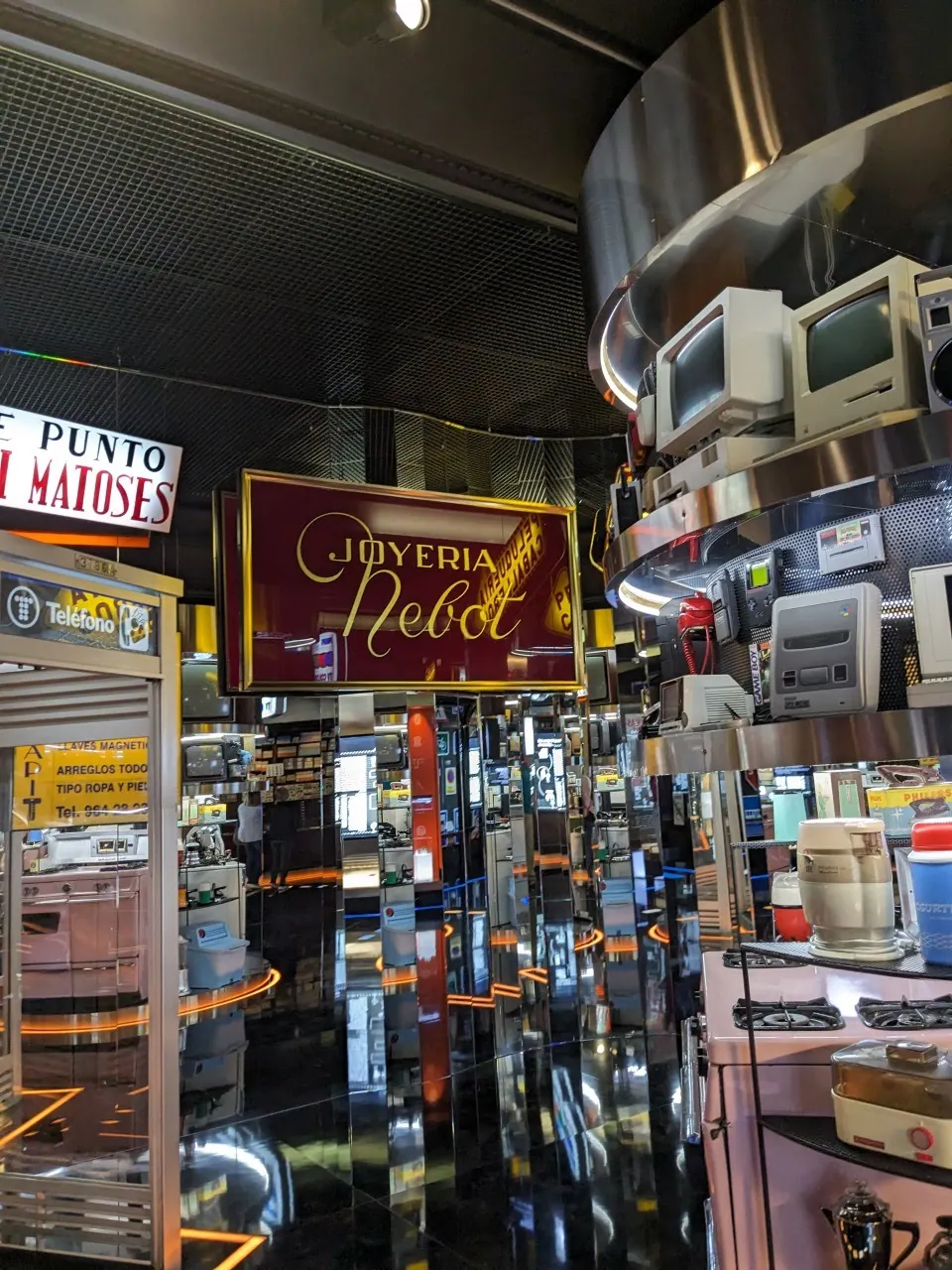
- L’ETNO - Museu Valencià d’Etnologia: Located 7 minutes from the CCCC inside the historic Centre Cultural La Beneficència on Calle Corona, L’ETNO actually won European Museum of the Year in 2023 - and it well deserves it. This is one museum I personally liked a lot: the installations are creative, thought-provoking, and really fun rather than dry or stuffy, and it is not huge or exhausting to walk through. The entrance ticket costs almost nothing (around €2, or completely free on weekends and holidays!), and it gives you a fascinating, intimate glimpse into authentic Valencian identity, showing how Valencia and its people have developed over the years. It is one of the best ways to truly connect with the city beyond the surface sights.
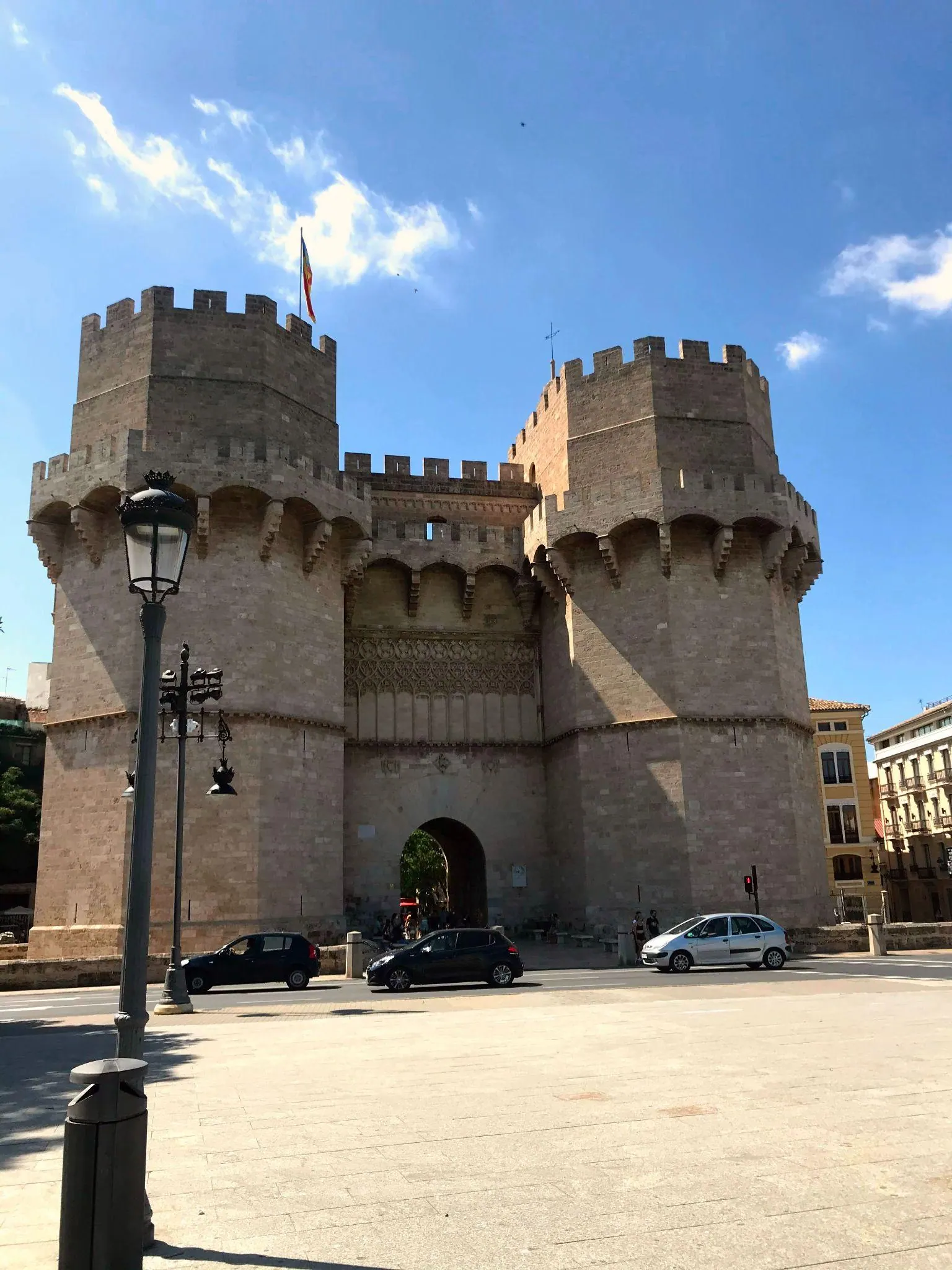
- Torres de Serranos (Serranos Towers - Late Afternoon Views): These massive 14th-century Gothic towers once served as the main fortified northern gate through the medieval city walls. (On the western edge of the old town, there are also the Torres de Quart (Quart Towers), the city’s other surviving medieval gate). You can climb right up the stone staircases behind the battlements for sweeping views over El Carmen’s rooftops on one side and down into the Turia park on the other. They close around 19:00 (14:00 on Sundays and holidays), and late afternoon is the golden hour to head up when the light is at its best, though keep in mind that the best views of the towers themselves are from the Turia park side.
- Optional Exhibition Stop: Bombas Gens Centre d’Arts Digitals (Marxalenes): Crossing the Turia park just northwest of Torres de Serranos into the Marxalenes neighborhood, this restored 1930s Art Deco factory building has been transformed into a cutting-edge digital arts center. Its focus on immersive digital exhibitions gives you a completely different option from the classical art spaces in the historic center, featuring 360-degree projections, VR, and interactive multimedia spaces (such as The Last Days of Pompeii). I visited their exhibition about ancient Egypt and it was very interesting; they always have different themes rotating through the space. One practical note to keep in mind is that exhibitions here are mostly in Spanish, not English. Because the programme changes throughout the year, check the Bombas Gens current schedule before you go.
2. The Turia Gardens (Jardín del Turia)
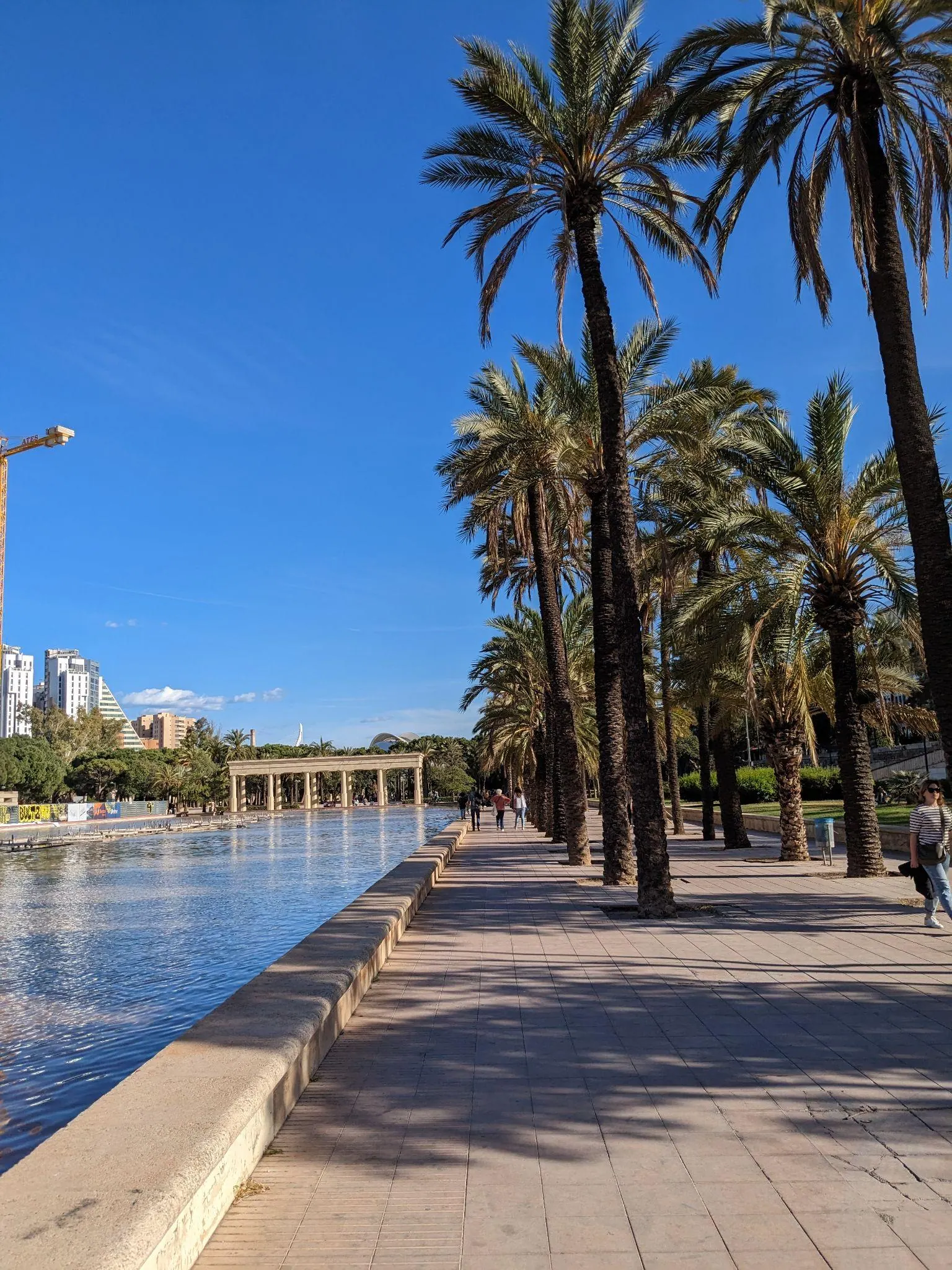
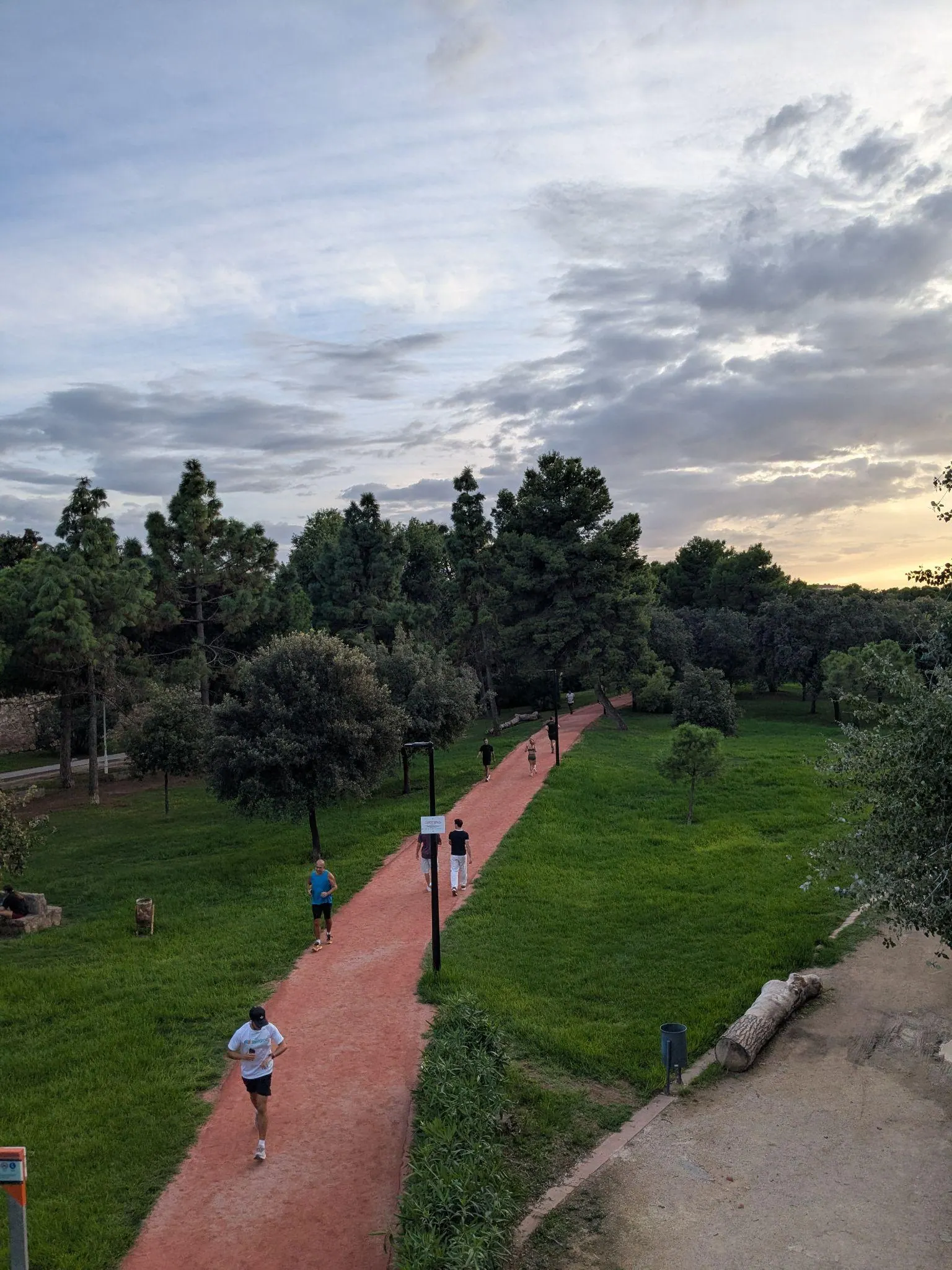
Back in 1957, after a devastating flood swamped the city, Valencia made the bold decision to divert the river south and turn the entire nine-kilometer dry riverbed into a sunken green park. Having lived in several European cities, I have never seen an urban green space quite like this: it is the lively outdoor spine where the whole city runs, cycles, picnics, and unwinds.
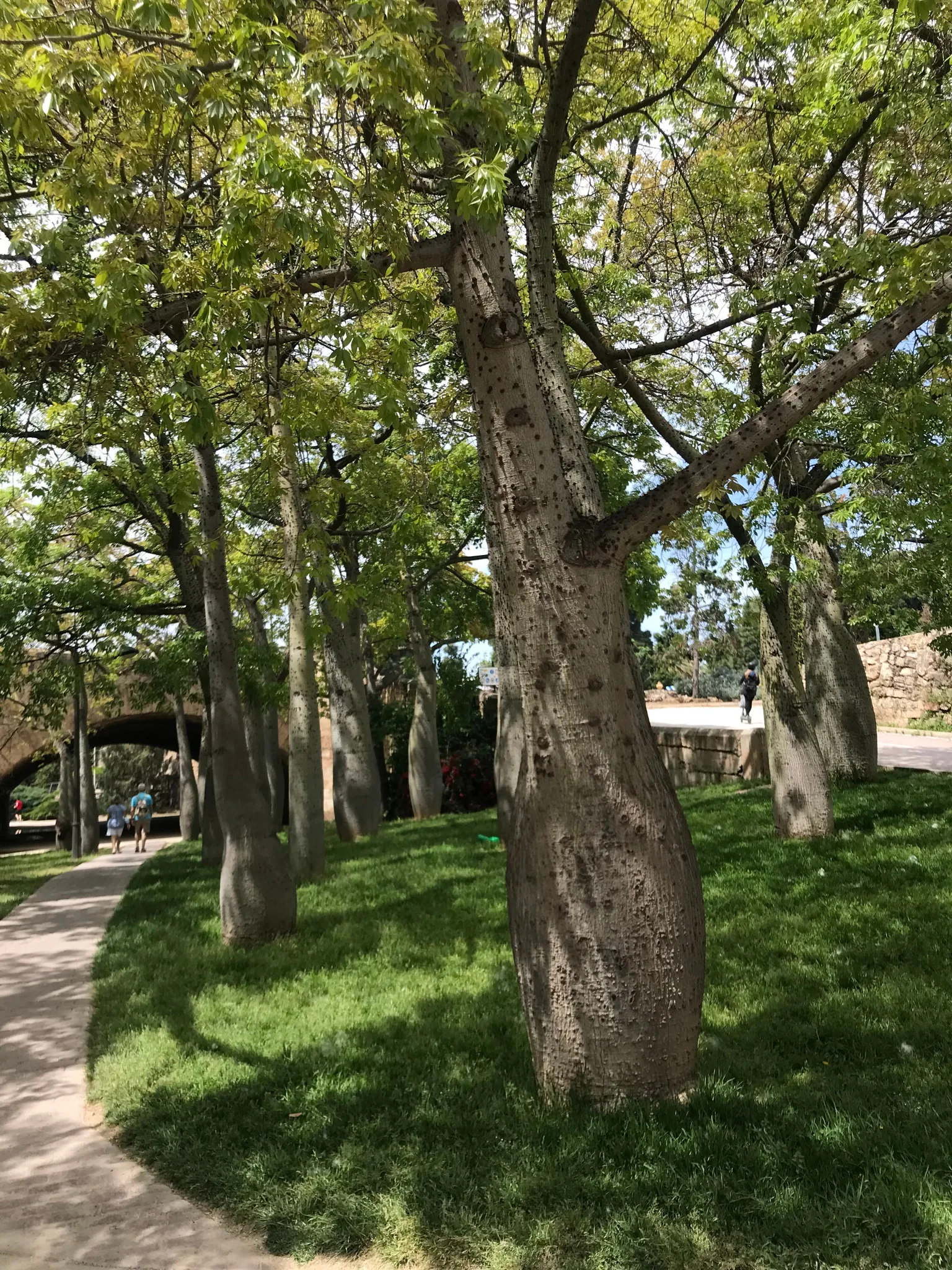
- Cycling and Walking the Turia Gardens: Rent a bike in El Carmen or lace up your trainers and head down into the Jardín del Turia. With zero car traffic, a lush canopy of shade trees, and dedicated cycling tracks, it is easily the coolest and most enjoyable way to travel across town. Look out for the quirky bottle trees (locally called palo borracho) near Puente del Real (Royal Bridge) (below the Fine Arts Museum), whose spiky trunks burst with bright pink flowers every autumn. Near Torres de Serranos, you can even spot ancient Roman and Visigothic carved stones resting right out on the grass.
-
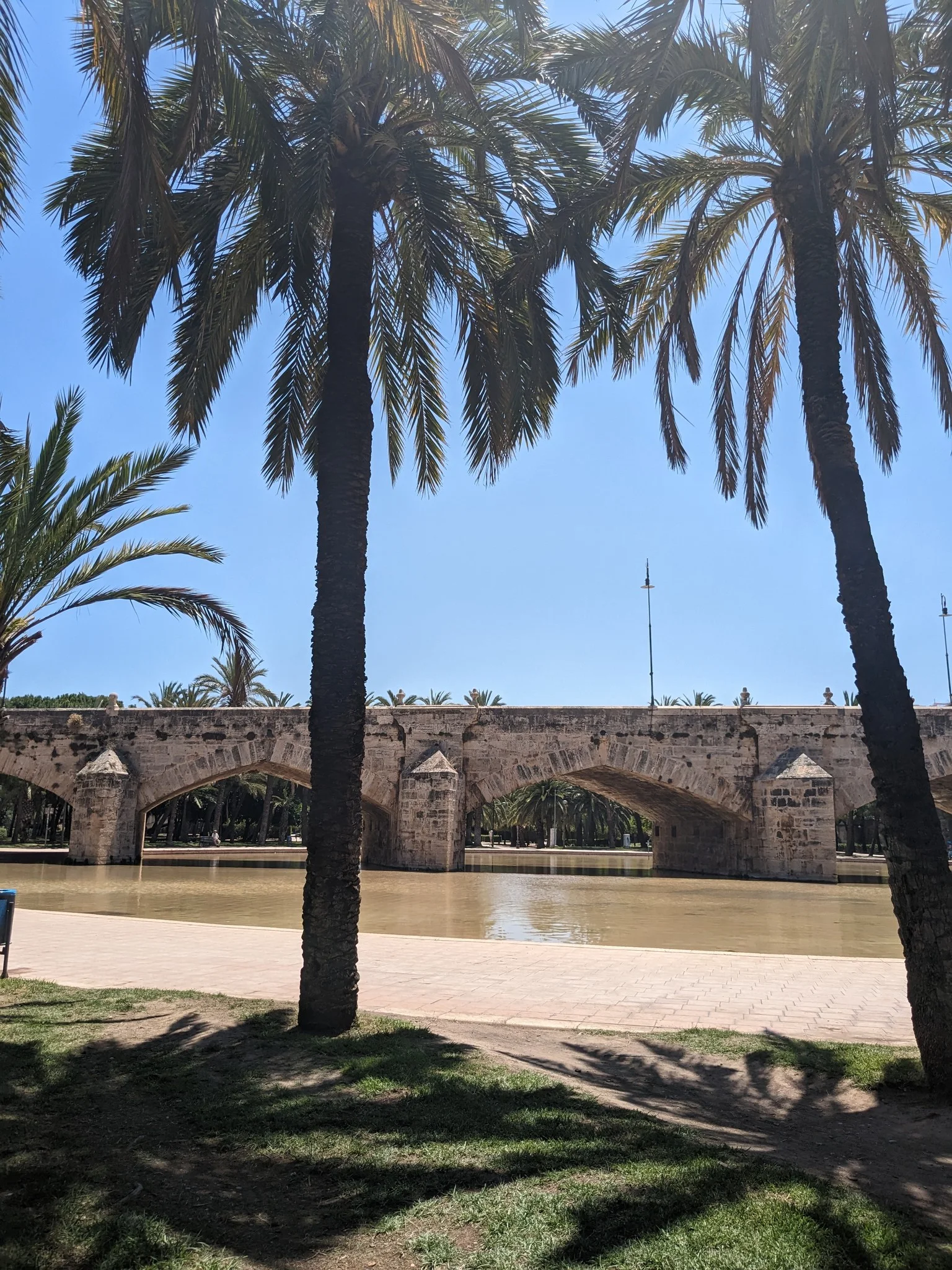
Puente del Mar (Sea Bridge) & Palau de la Música: Further east, pedal past Puente del Mar (Sea Bridge), a 16th-century pedestrian stone bridge reflected in a calm circular pond, before reaching the dancing water fountains and glass dome of the Palau de la Música (Music Palace) auditorium.
-
Detour: Jardines de Viveros & Jardines de Monforte: Just north of Puente del Real lie Jardines del Real (Viveros), spacious former royal gardens shaded by palms and pine trees. Right next door is Jardines de Monforte, a hidden 19th-century neoclassical retreat with marble statues, quiet reflecting pools, and fragrant rose arches where you can escape city noise in complete tranquility.
-
Mid-Morning Esmorzaret Break: To experience Valencia’s sacred mid-morning sandwich ritual (esmorzaret), hop out of the park near Paseo de la Alameda and head to Bar Kiosko La Pérgola. The loaded sandwiches here are legendary, packed with local sausages, grilled pork, and rich sauces. I took a sandwich from them for a hike, and the crusty baguette packed with savory grilled meats made the ideal mountain lunch.
-
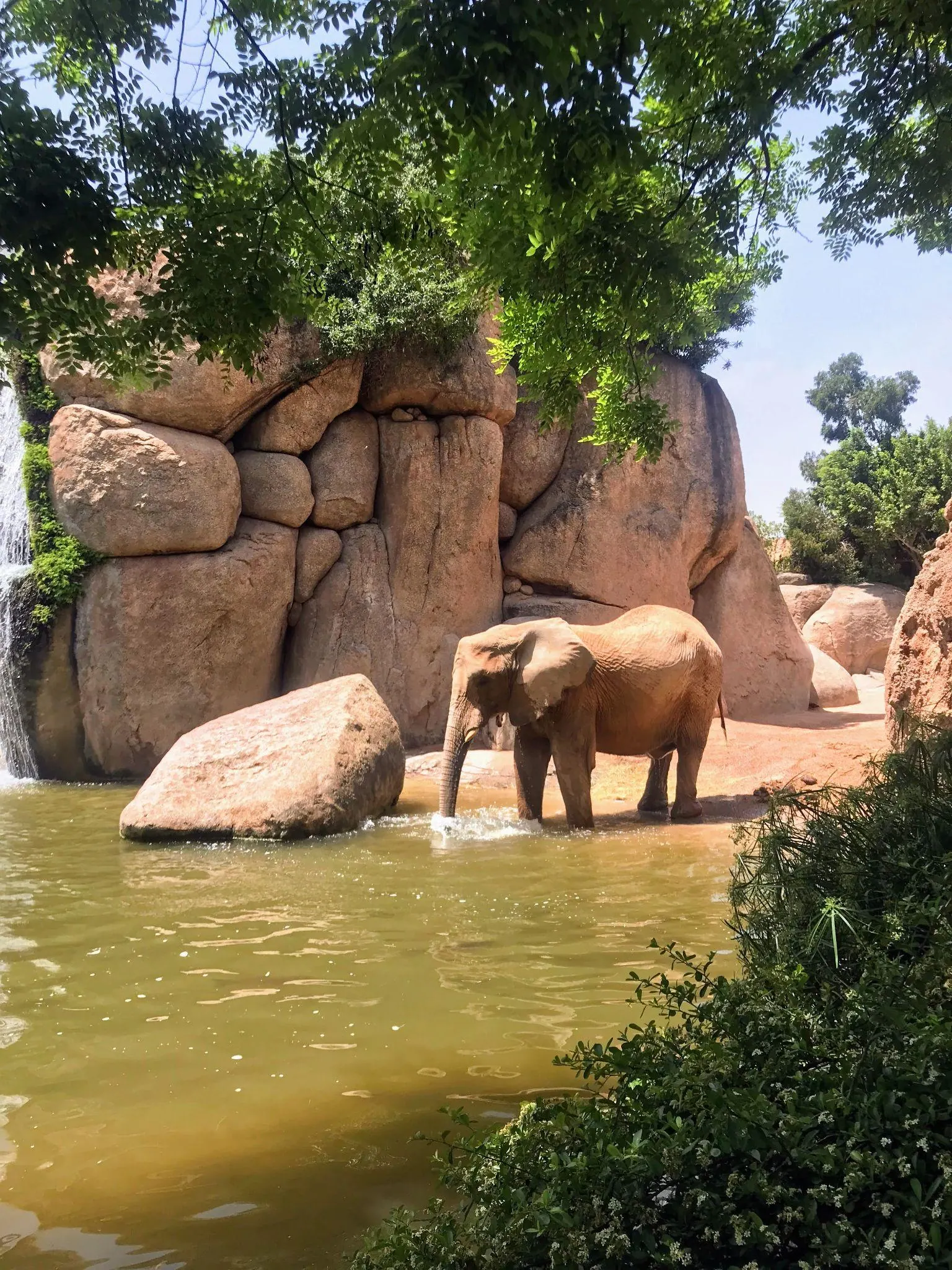
Bioparc Valencia (Western Tip): At the far western end of the park sits Bioparc Valencia, an open-air animal park designed with natural rock and water barriers instead of visible cages. Honestly, it is my personal favorite over Oceanogràfic because it feels so much more natural and immersive, though its location at the far end of the park means setting aside dedicated travel time.
3. City of Arts and Sciences (Ciudad de las Artes y las Ciencias)
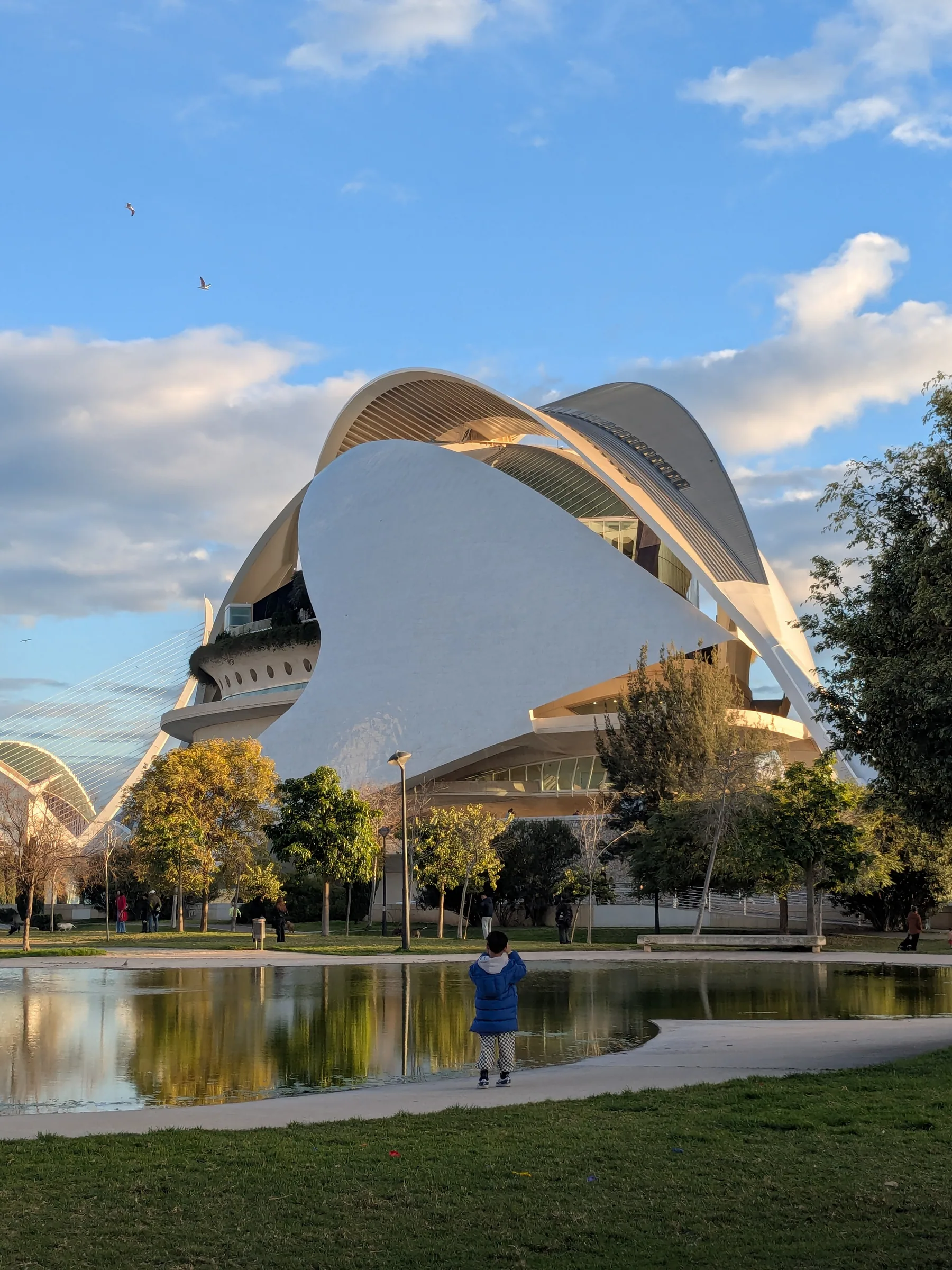
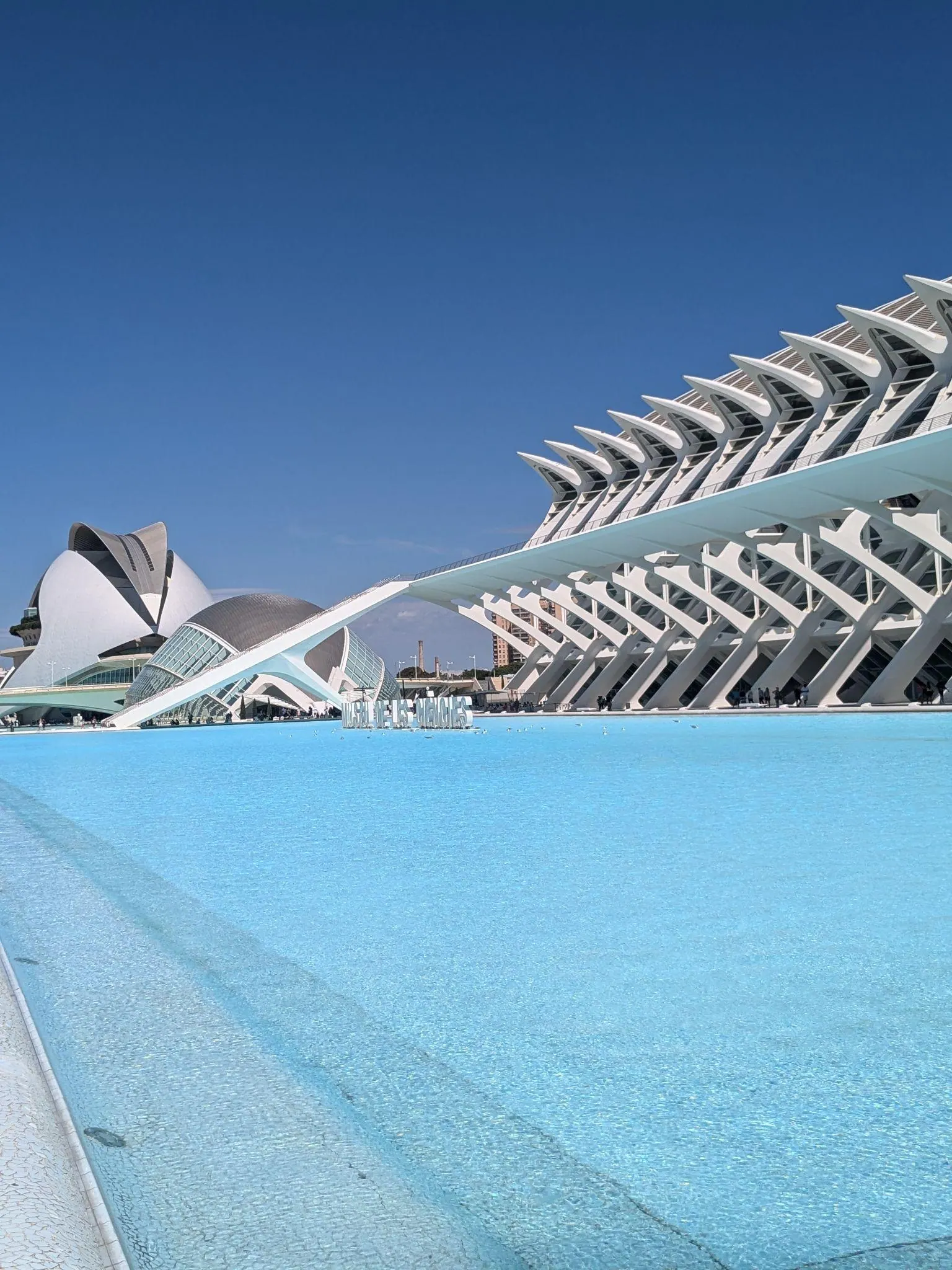
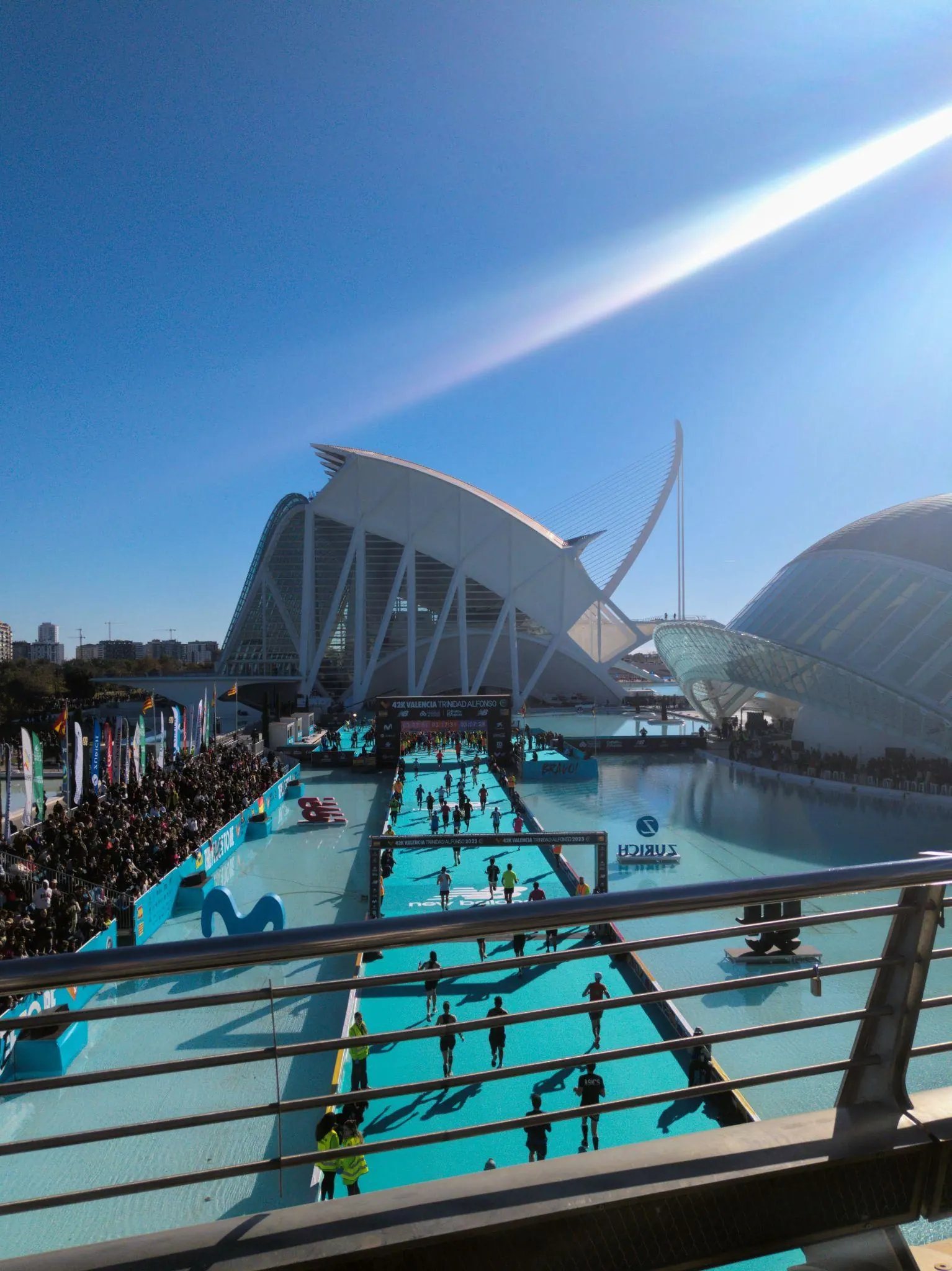
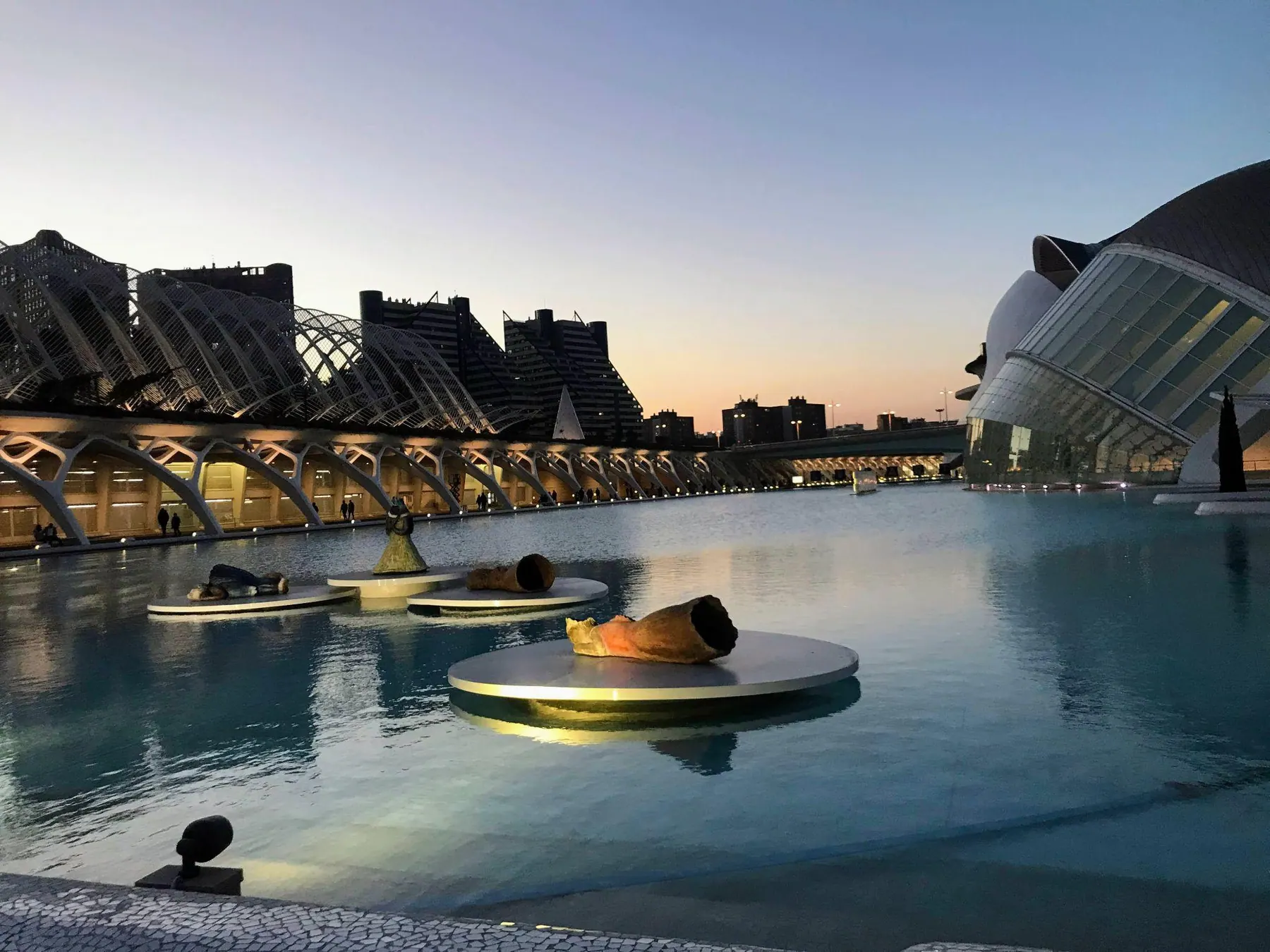
At the eastern end of the Turia, the park opens up into the City of Arts and Sciences (Ciudad de las Artes y las Ciencias), with modern architecture designed by Santiago Calatrava and Félix Candela. The white structures rise above wide turquoise reflecting pools, creating a striking contrast with the historic old town.
- How to Visit Smartly (Free Grounds vs Paid Tickets): You don’t need to spend a single euro to enjoy the most striking part of the complex: walking the footbridges, taking photos of the white curved arches, and wandering around the vast turquoise pools is 100% free. Visit in the late afternoon for warm golden reflections on the white concrete, or return after dark when the pools glow under dramatic illumination.
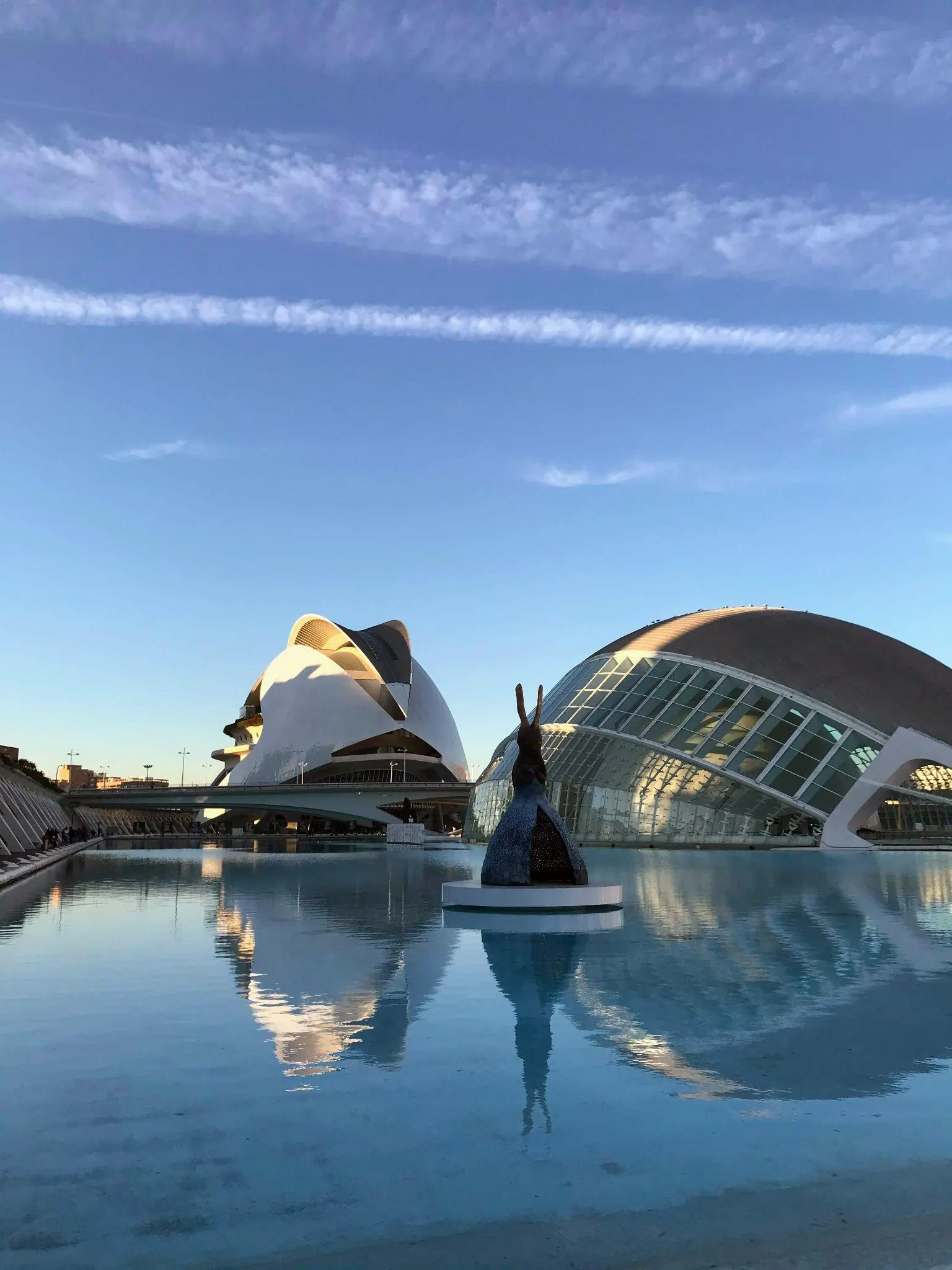
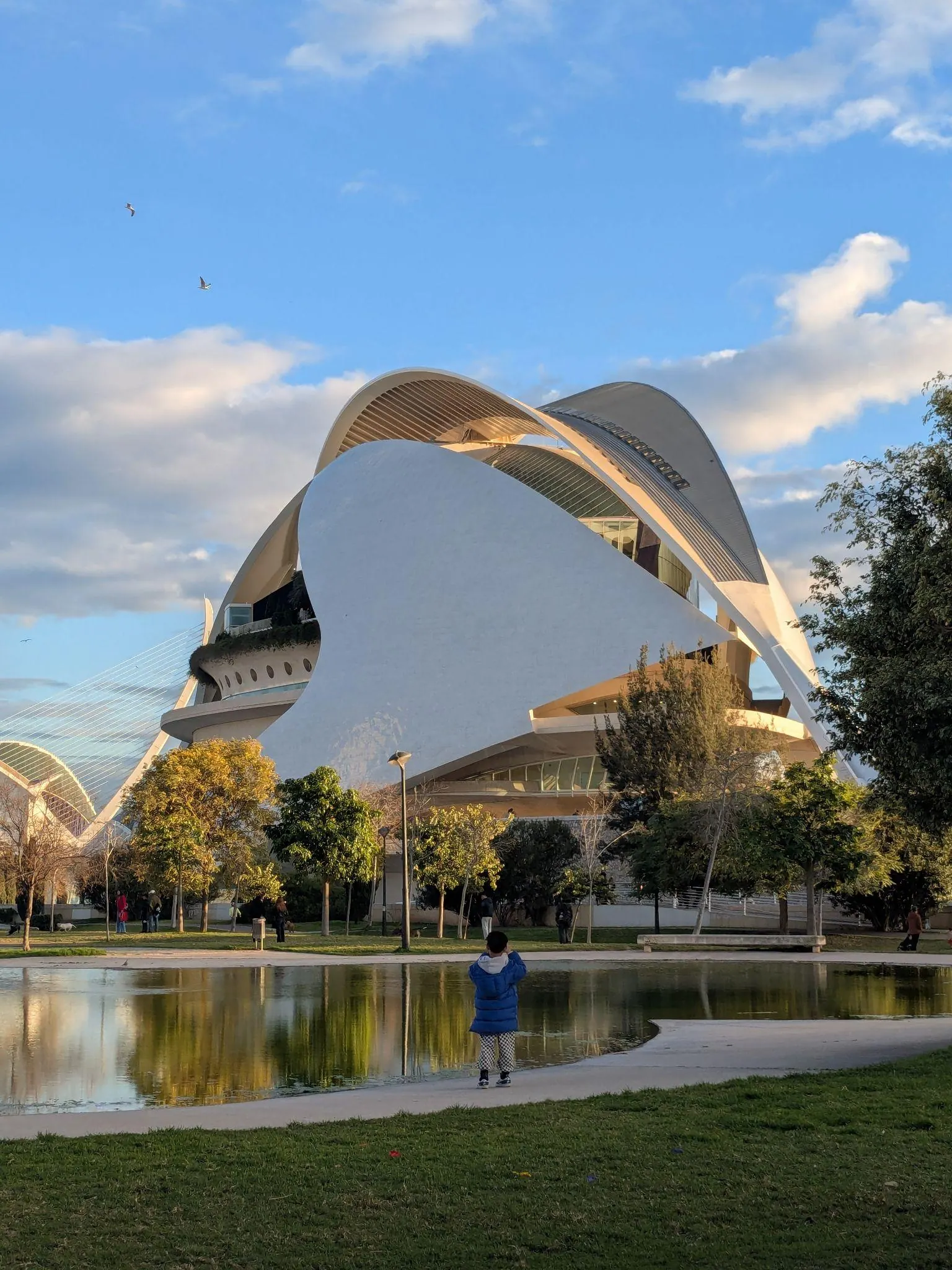
- Palau de les Arts Reina Sofía (Opera House): It hosts world-class operas and concerts, and walking around its soaring curved profile is a treat for anyone who appreciates bold architecture. It is best to visit when concerts or operas are happening to experience the interior at its liveliest.
- Museu de les Ciències Príncipe Felipe (Science Museum): Shaped like a colossal whale skeleton, this is a hands-on science museum. Packed with interactive gravity experiments, space exploration exhibits, and fun electricity demos, it is a great stop if you are traveling with kids or teenagers.
- Oceanogràfic: Europe’s largest aquarium, laid out across outdoor wetland habitats, an icy Arctic dome housing playful beluga whales, and a 70-meter underwater glass tunnel where sand tiger sharks and stingrays glide right over your head. It gets busy, so book tickets ahead online; expect to spend 3 to 4 hours here.
- L’Hemisfèric: Shaped like an enormous futuristic eye that ‘blinks open’ across the water, this structure houses a 900-square-meter IMAX dome cinema and planetarium. It looks especially stunning from outside at dusk when its reflection hits the water.
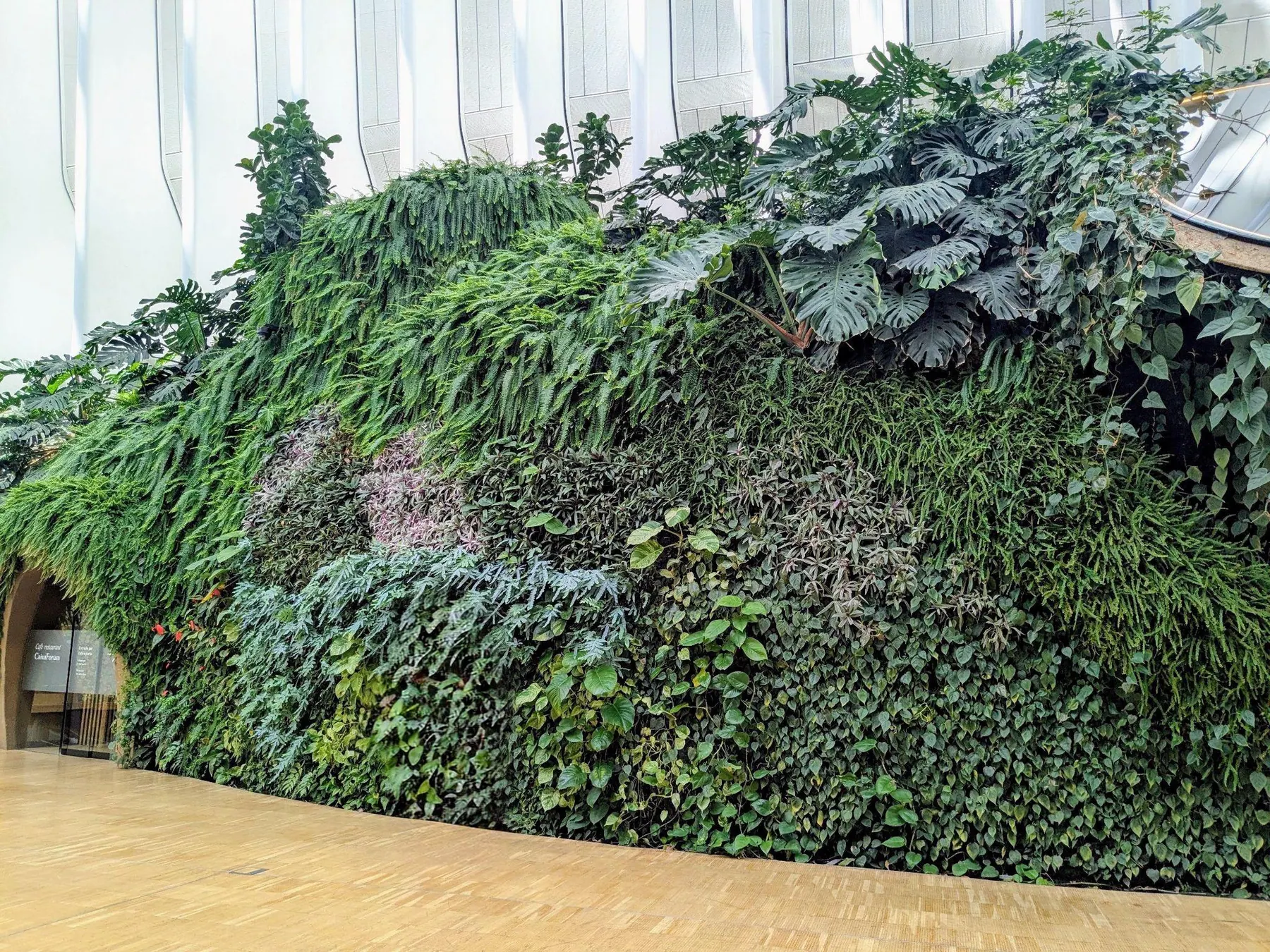
- CaixaForum Valencia (Inside the Àgora): Set inside the huge, ribbed blue-and-purple Àgora building, CaixaForum is a great cultural spot. You can walk into the soaring public entrance hall completely free to admire living vertical gardens and suspended wooden pods, while the main contemporary art exhibitions inside usually require a paid ticket.
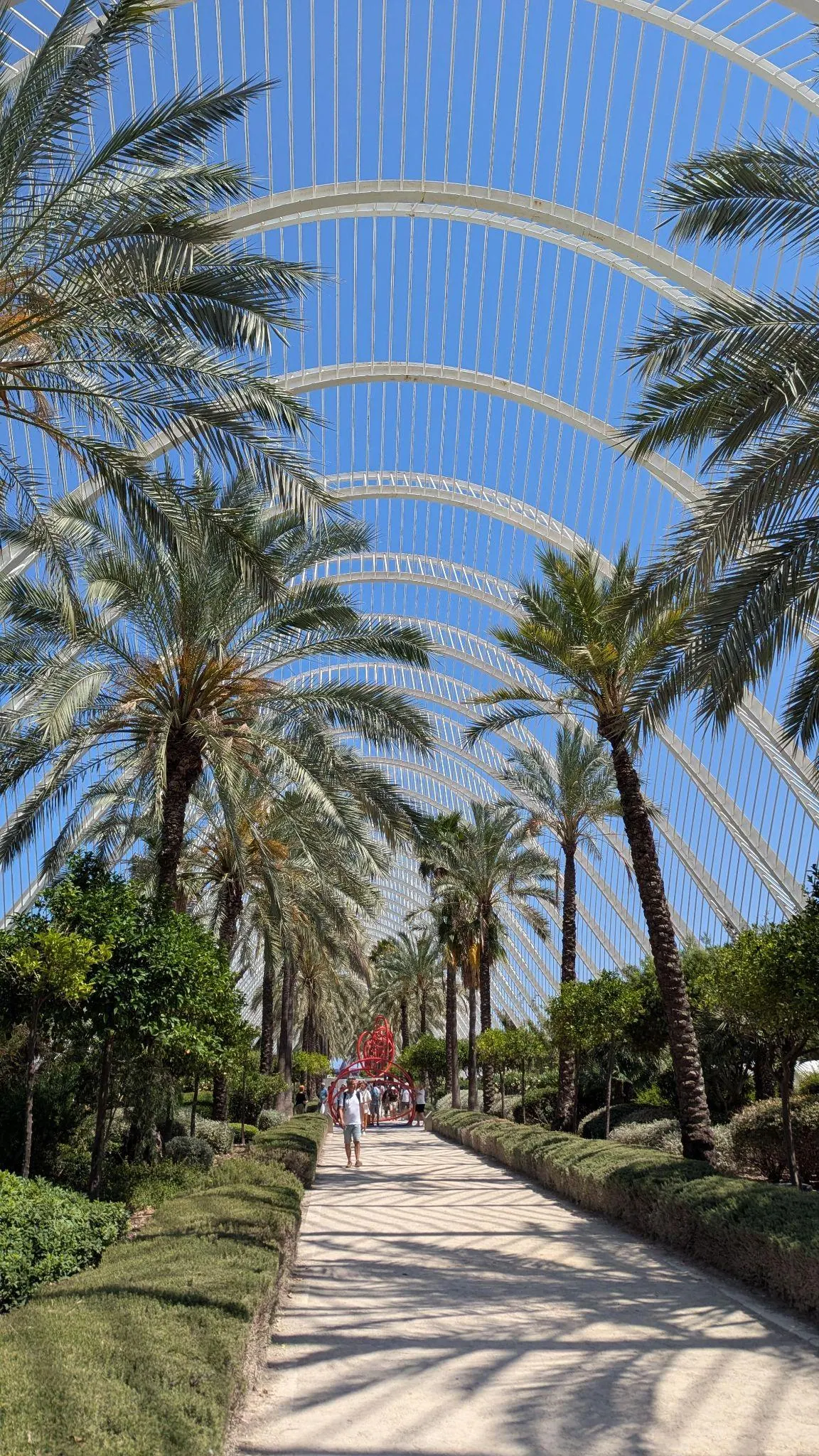
- L’Umbracle: Mentioned last on the complex walk, L’Umbracle is famous for its open-air nightclub, but right next to it are tranquil landscaped gardens. A raised promenade sits beneath tall white arches filled with Mediterranean palms and modern outdoor sculptures, giving you the best elevated view for photos across the turquoise pools. On warm summer nights, the venue transforms into a buzzing open-air cocktail lounge and club beneath the palms.
4. Marina de València, Valencia’s Beaches (Las Arenas to Patacona) and Cabanyal neighborhood
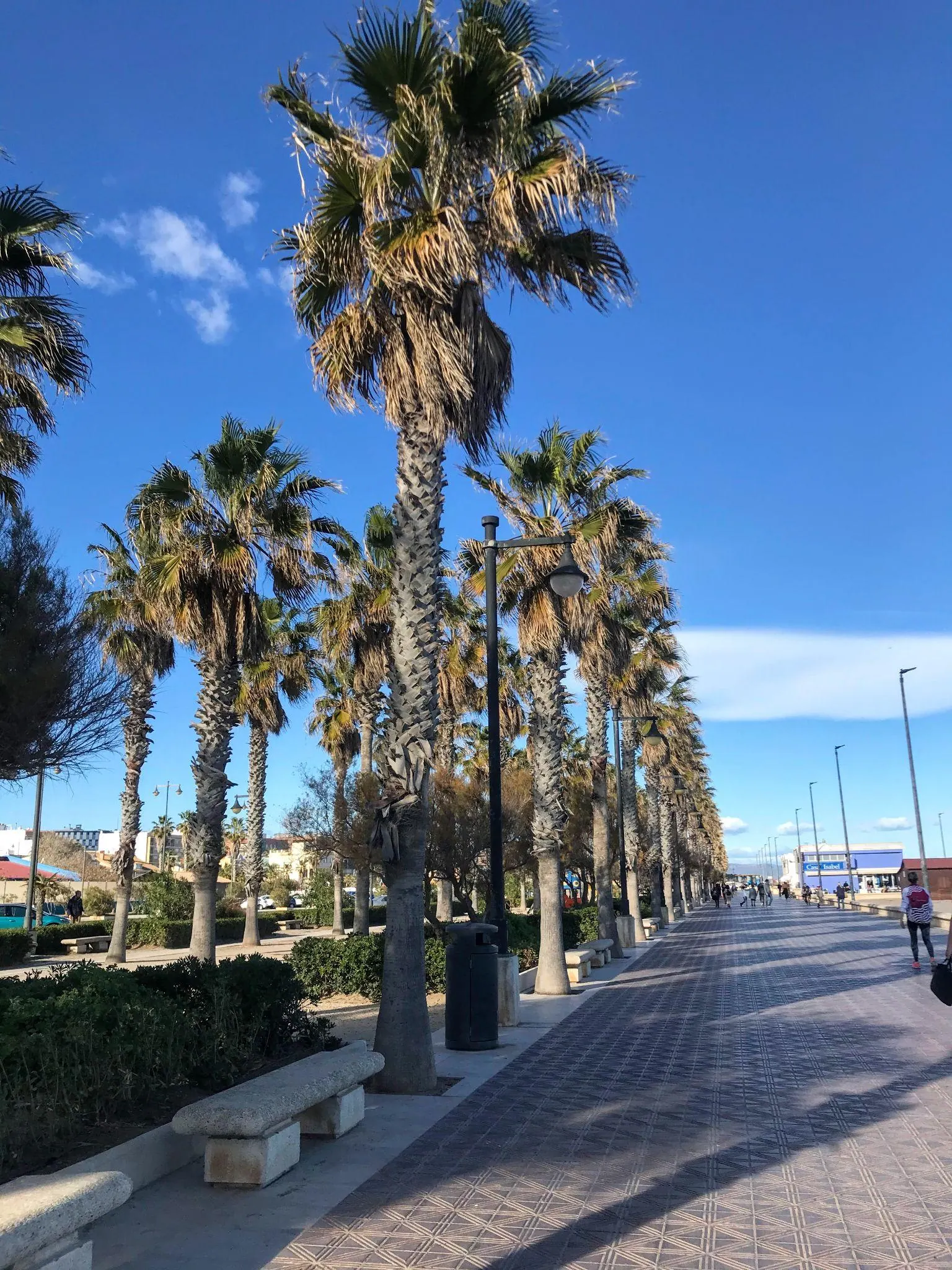
A common mistake travelers make is assuming Valencia’s seaside is just one quick stroll: the coastline actually stretches for over 3.5 kilometers from the marina up to Patacona. While walking between the marina, Las Arenas, and El Cabanyal is easy, reaching the northern sands is best done by hopping on a bicycle or boarding EMT bus #31.
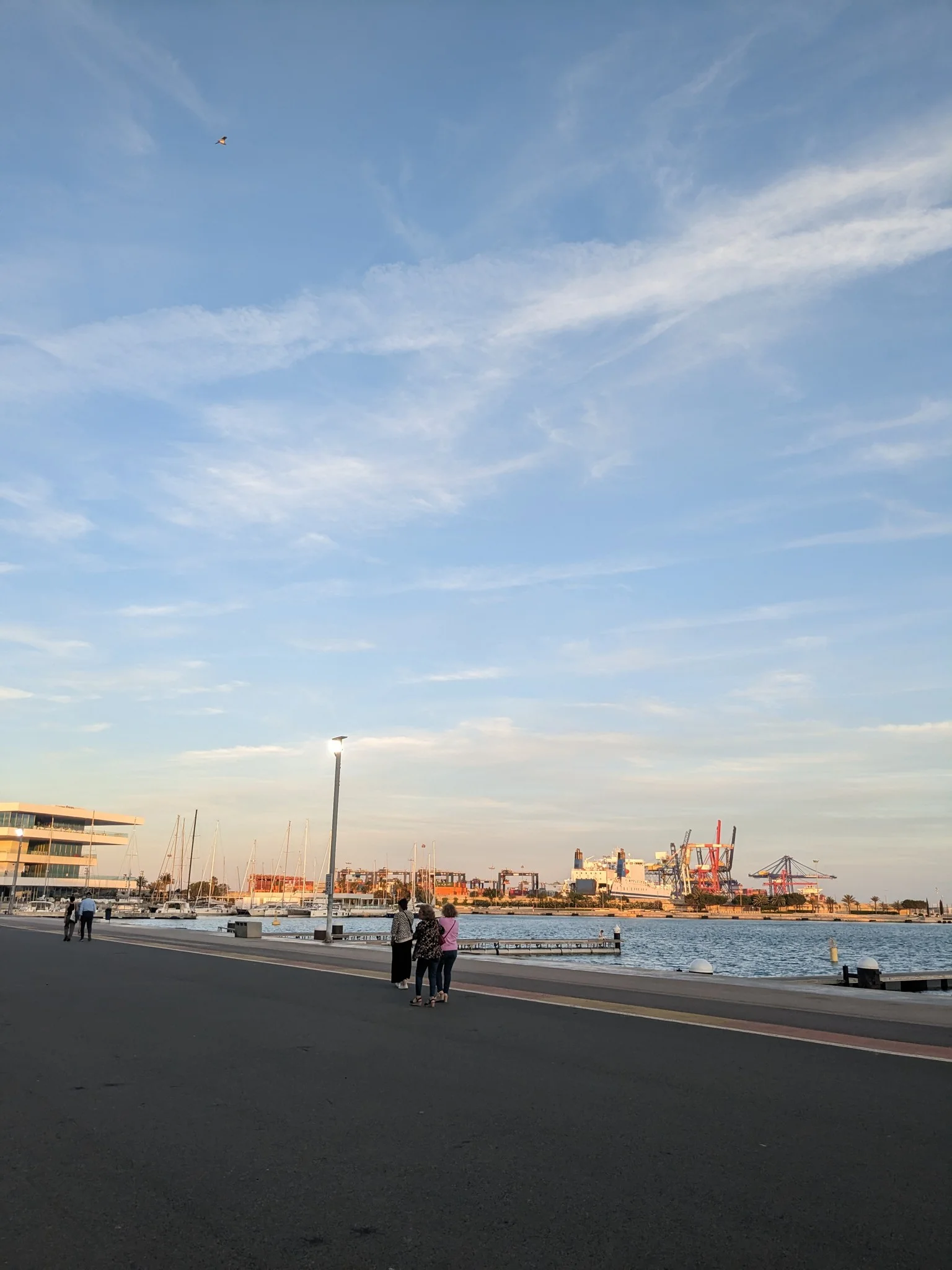
- Marina de València & Veles e Vents: From the City of Arts and Sciences, the dedicated bike lane takes you straight to the waterfront. The revitalized marina centers around Veles e Vents, a striking multi-level pavilion where you can grab a cold drink on the terrace and watch sailboats, yachts, and paddleboarders drift across the inner harbor. Further along the quayside, it has a lively strip of bars and open-air terraces aligned right along the water.
- Las Arenas & Malvarrosa Beaches: Right next to the marina is Playa de Las Arenas, lined with buzzing beachfront cafe terraces. As you continue north, it seamlessly merges into Playa de la Malvarrosa. The beach here is huge, with wide golden sands, volleyball nets, and a broad promenade. Keep in mind that Malvarrosa always gets busy because that is right where the main buses and trams arrive.
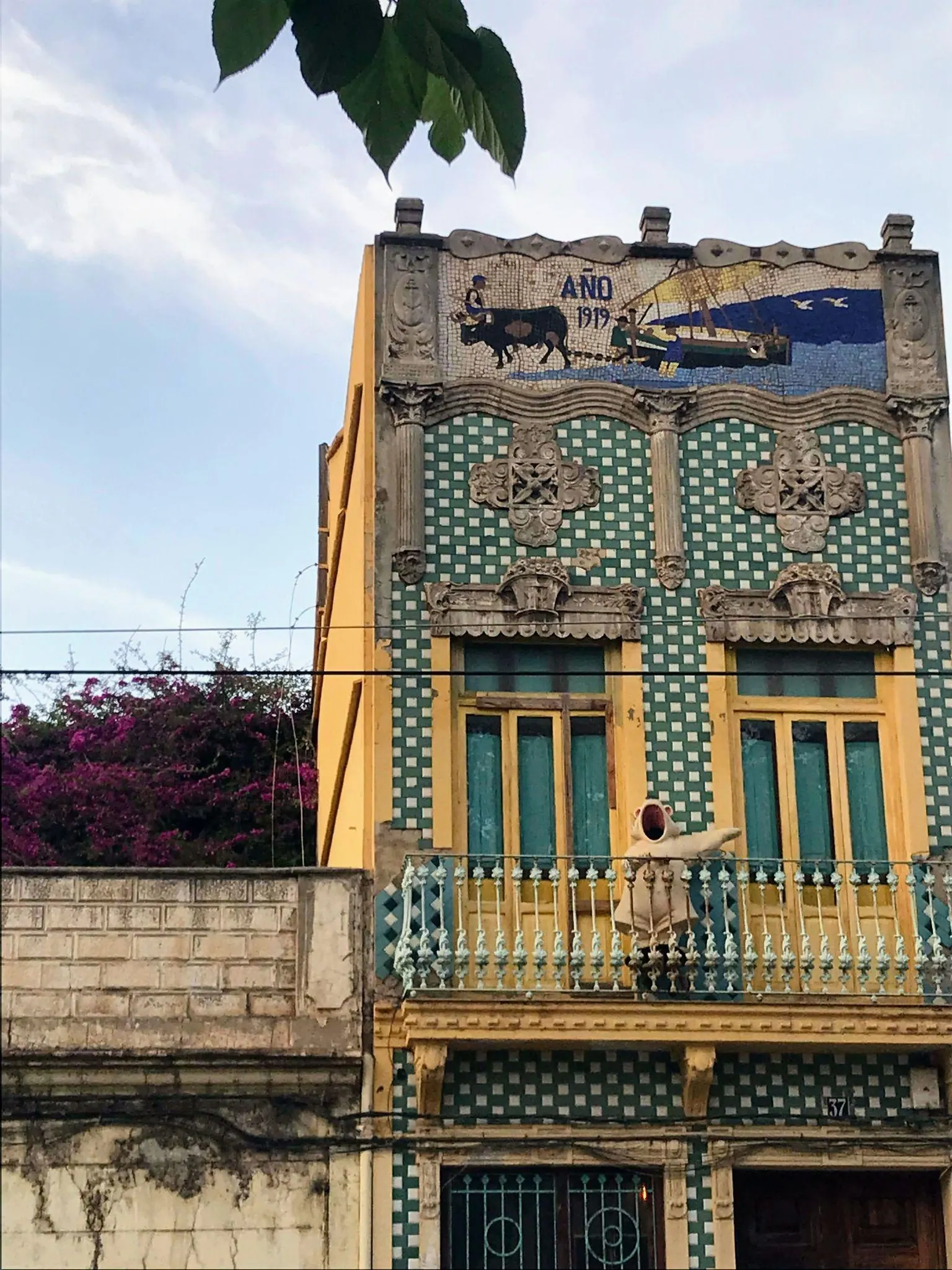
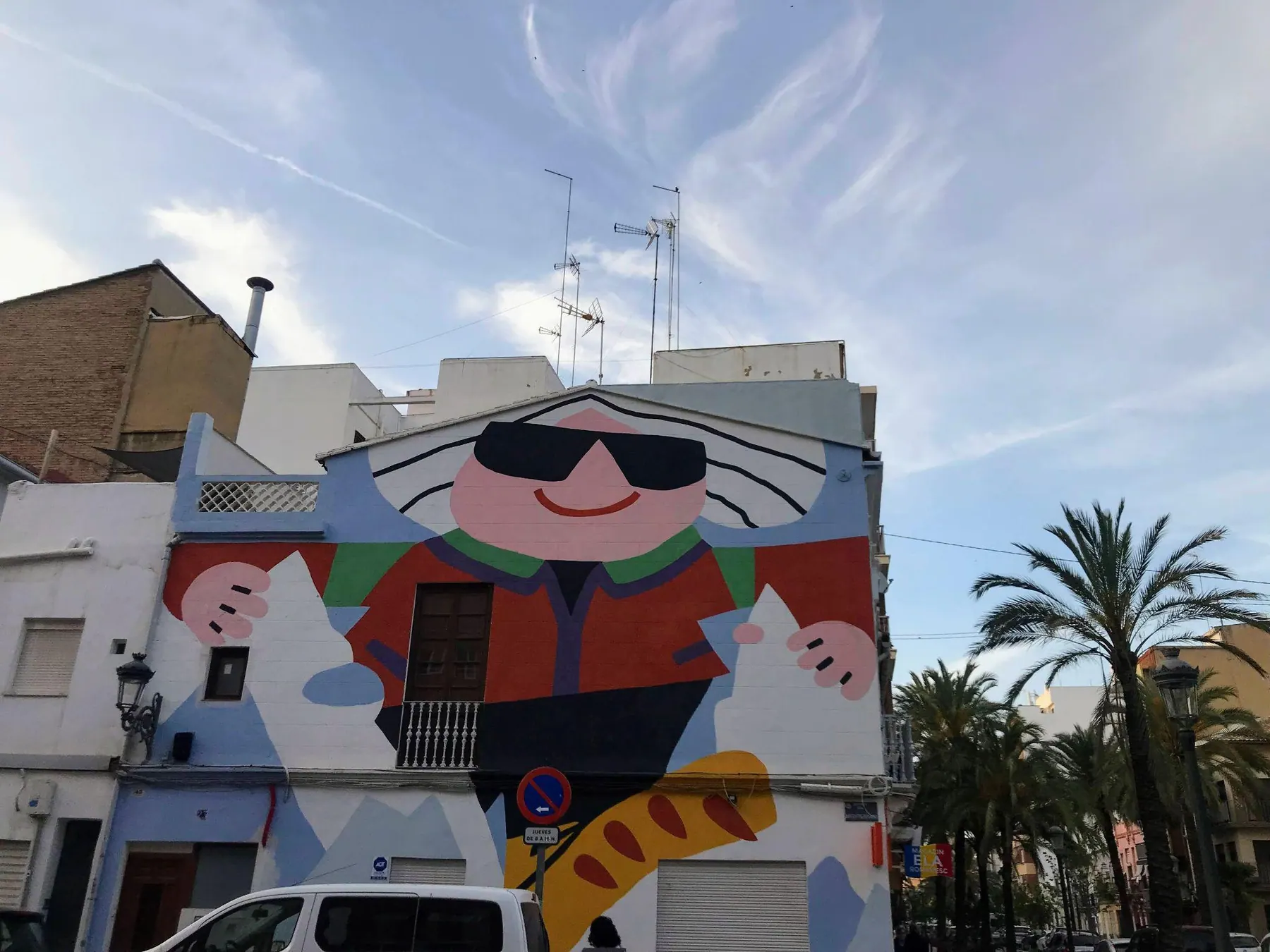
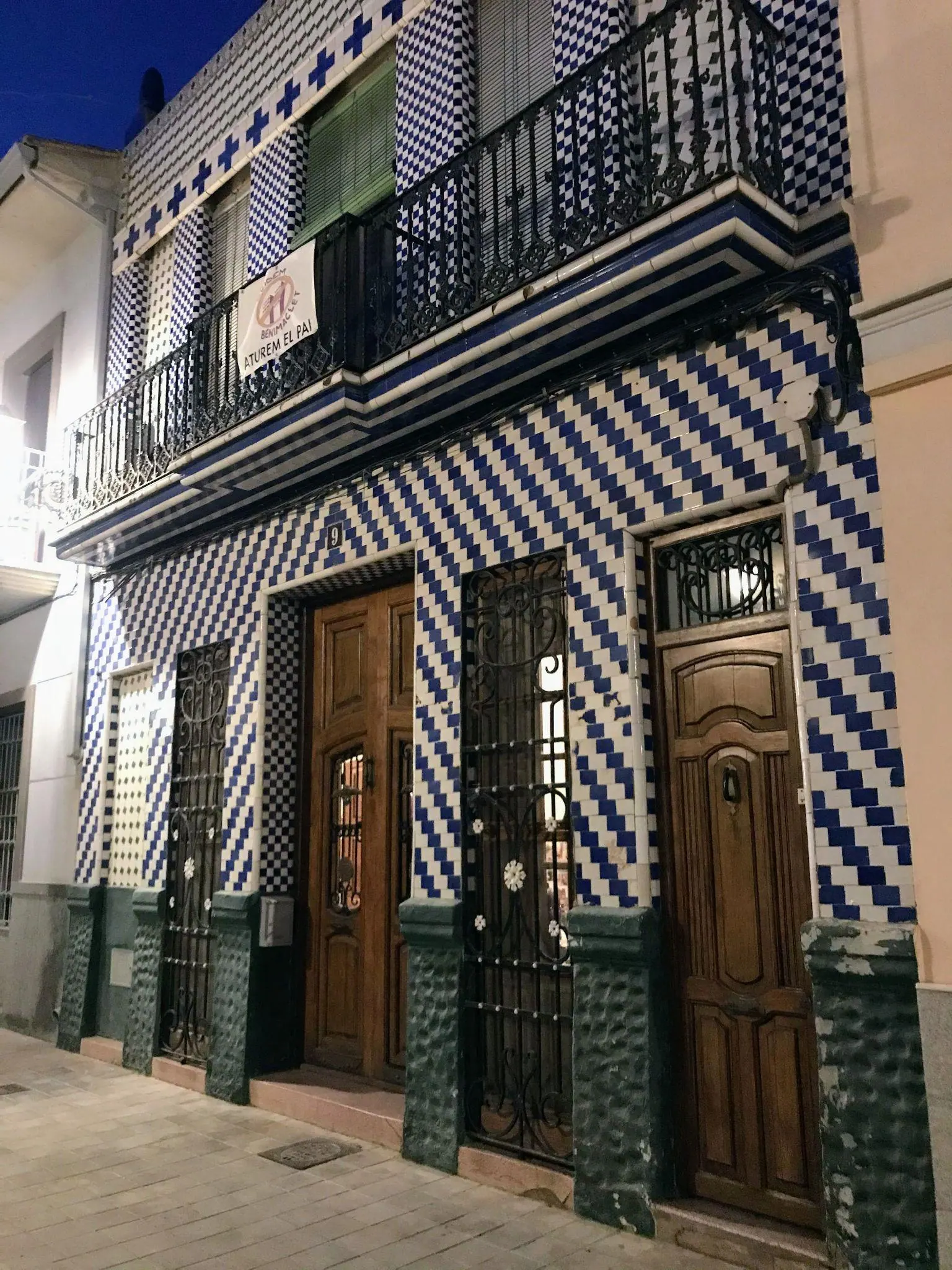
- Exploring El Cabanyal: Sitting just behind the sand, El Cabanyal was historically the old fishermen’s quarter, and today it is easily one of the most character-filled neighborhoods in town. Wandering its narrow grid of streets is pure joy: you’ll spot colorful two-story fishermen’s cottages covered in intricate hand-painted tiles (modernisme popular), rustic corner bodegas, and fantastic neighborhood tapas spots.
- Playa de la Patacona Relaxation: Keep riding north into neighboring Alboraya and you reach Playa de la Patacona, my personal favorite beach spot in Valencia. The high-rises disappear, the crowds thin out, and you get a wide, breezy beach dotted with colorful chiringuitos and beachfront cafes. Because it sits about 3.5 km from the marina, grab a bike or take bus #31 rather than walking the entire way under the sun.
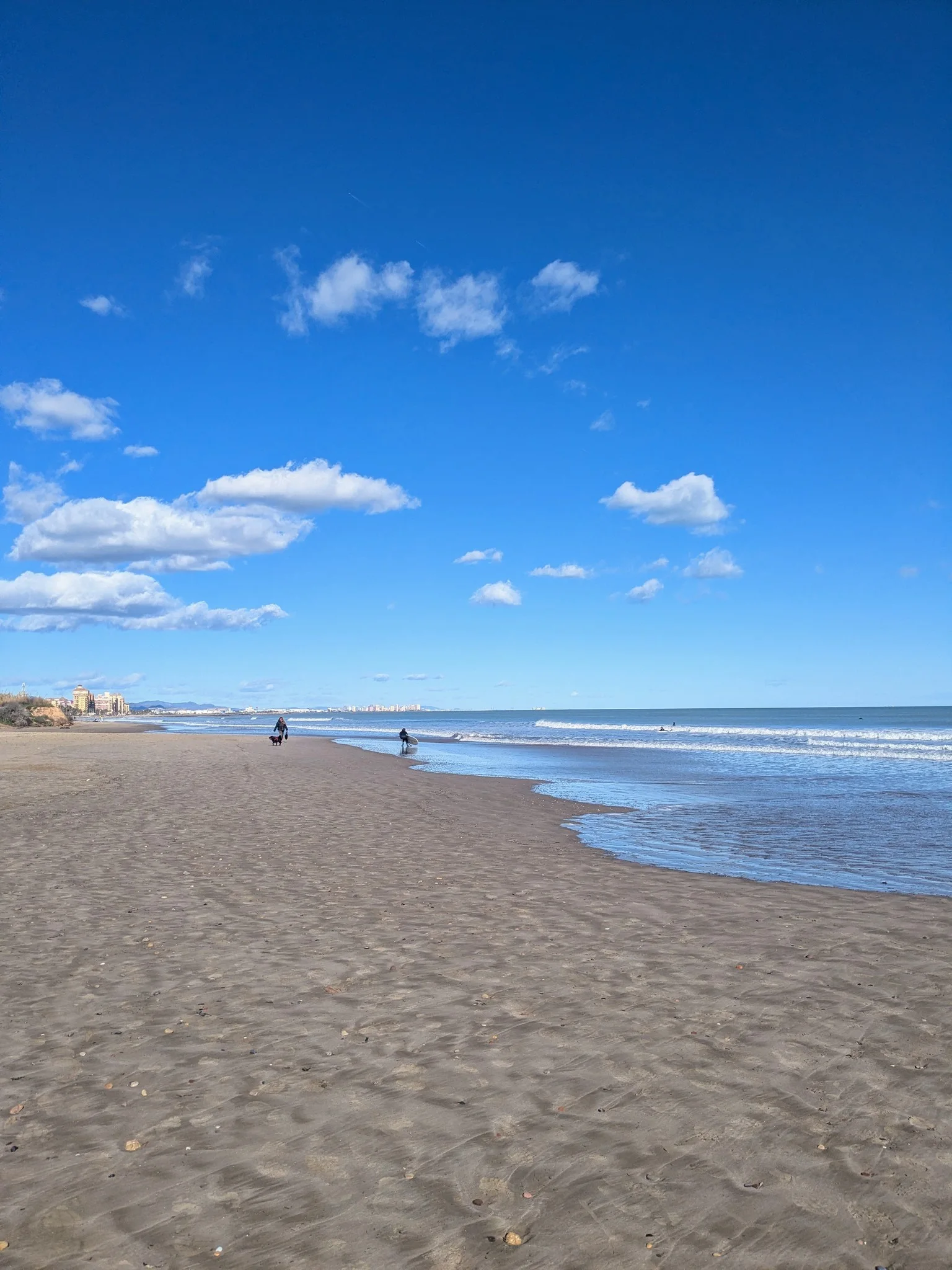
- Beachfront Rice Lunch at La Ferradura: Tucked along the Patacona promenade away from the main commercial strip, La Ferradura serves fantastic authentic rice dishes right beside the waves. The restaurant blends into its surroundings, so it’s easy to walk right past it without noticing if you aren’t paying attention.
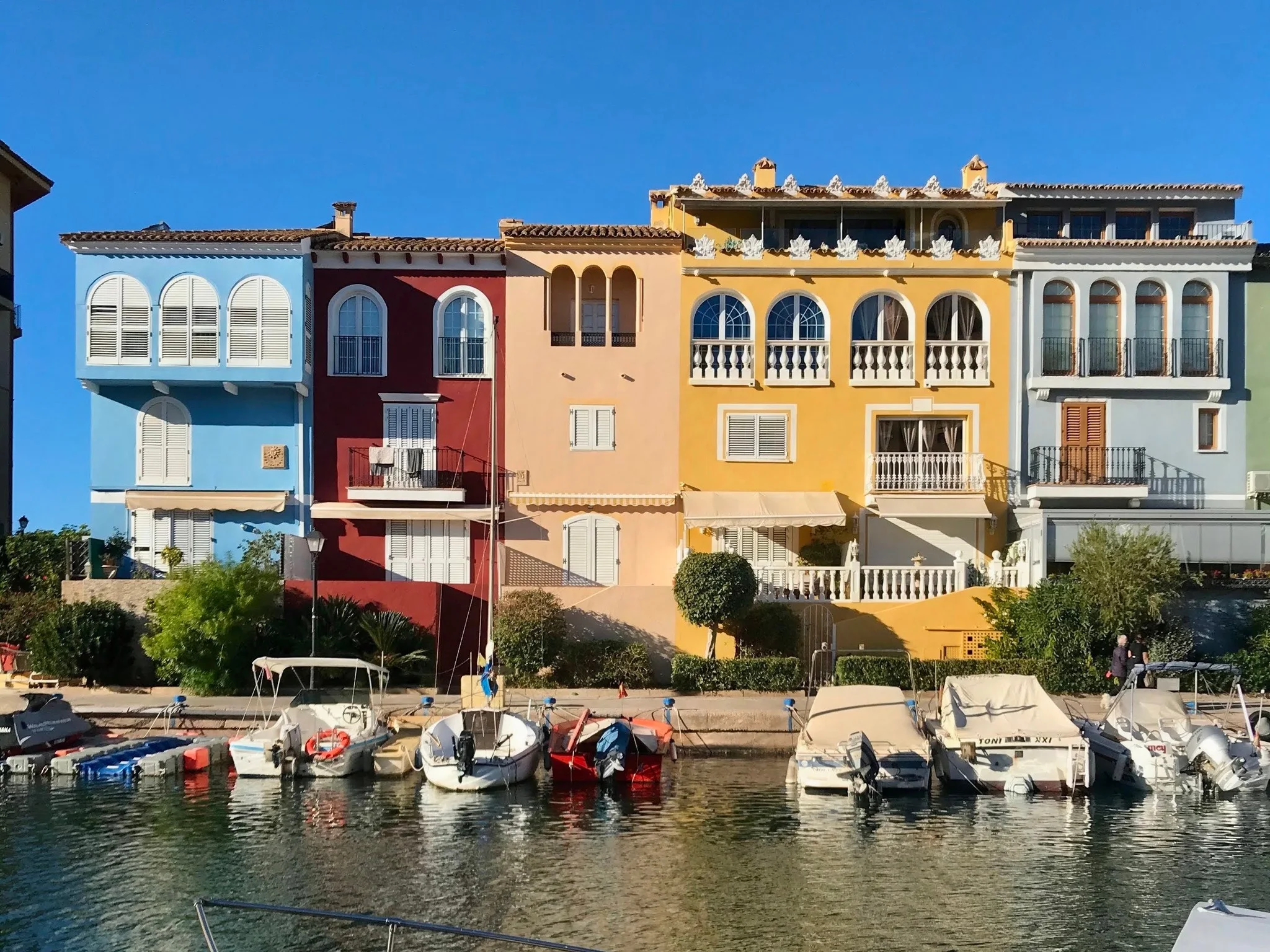
- Optional Detour: Port Saplaya (“Little Venice”): A quick 15-minute pedal or short taxi ride north brings you to Port Saplaya, affectionately nicknamed “Little Venice” for its quiet sea canals, moored motorboats, and pastel peach-and-terracotta waterfront townhouses. Keep in mind that exploring the harbor isn’t a continuous circular loop: you need to double back the way you entered, making the full stroll around 40 minutes in total.
5. Modernist Ensanche (Eixample) & Bohemian Ruzafa
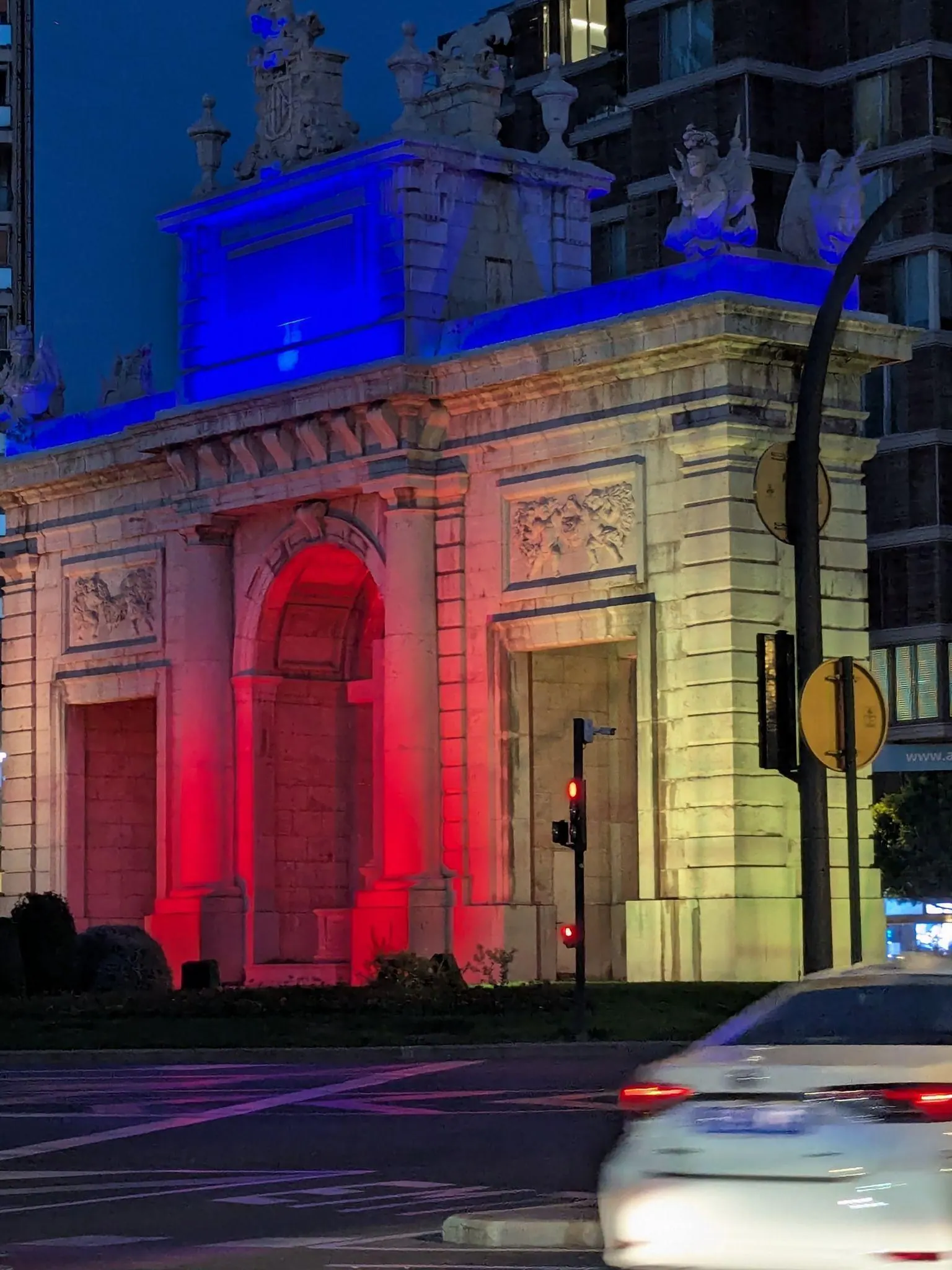
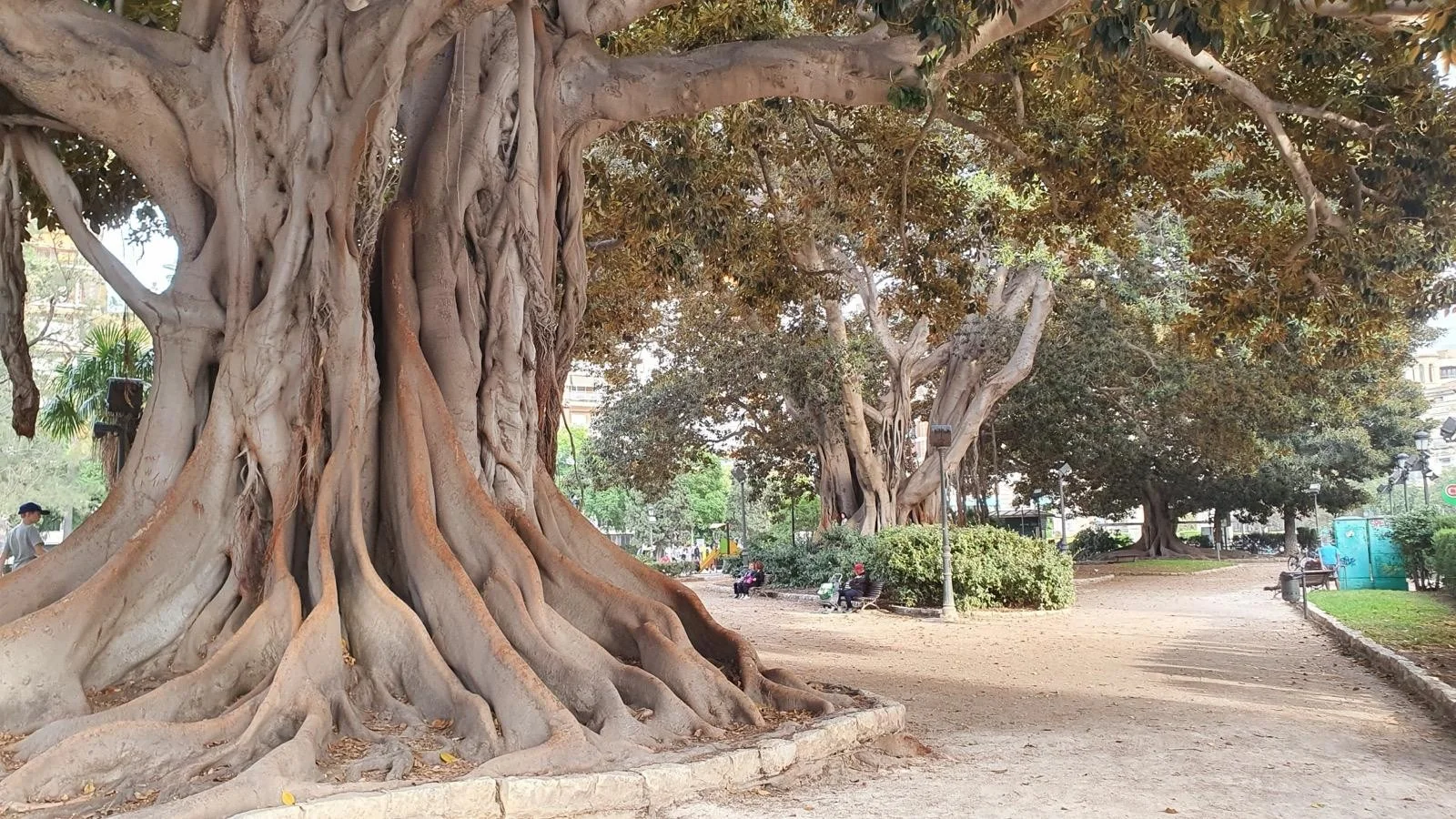
- Puerta de la Mar (Sea Gate) & The Monumental Ficus: Just where the historic center meets the elegant Ensanche (Eixample) district, take in Puerta de la Mar (Sea Gate), a handsome neoclassical triumphal arch that feels like a smaller, elegant Valencian version of Madrid’s Puerta de Alcalá - illuminated at night, it makes a really nice stop. Right next to it in the adjoining gardens (El Parterre and Jardín de la Glorieta), you can’t miss the enormous, century-old monumental Ficus (Ficus macrophylla). Planted all the way back in 1852, this giant has a massive, dark, twisted trunk and sprawling curtains of aerial roots that make it look like a fantastical living sculpture.
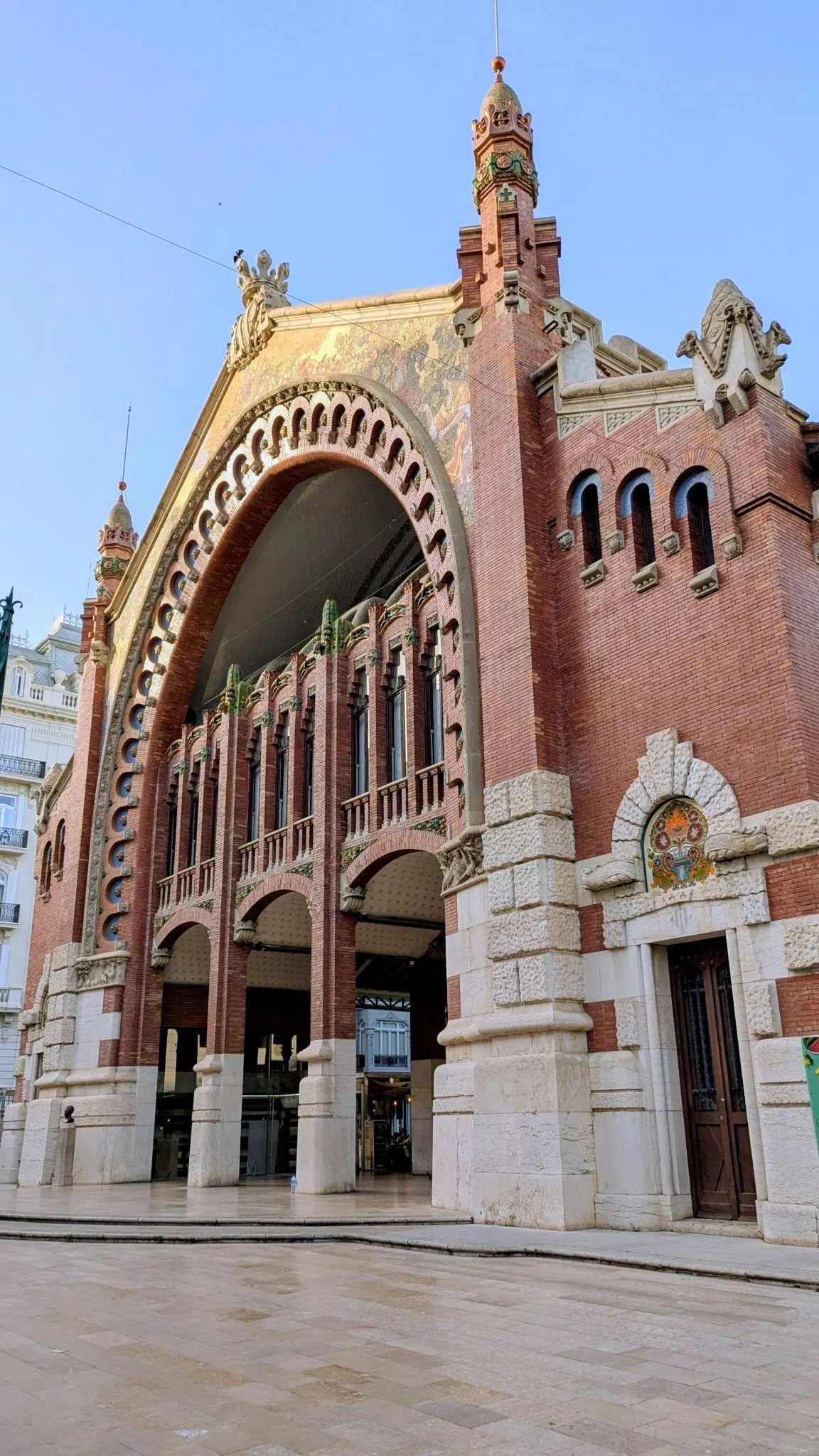
- Mercado de Colón (Colón Market, El Pla del Remei): In the stylish Ensanche (Eixample) district, this 1916 brick-and-iron architectural jewel has been reborn as an open-air social hub. It no longer sells fresh fish and vegetables; instead, its soaring mosaic canopy shelters lively cafes, craft beer bars, and outdoor restaurant terraces. It’s a gorgeous place to pause for a drink in the shade.
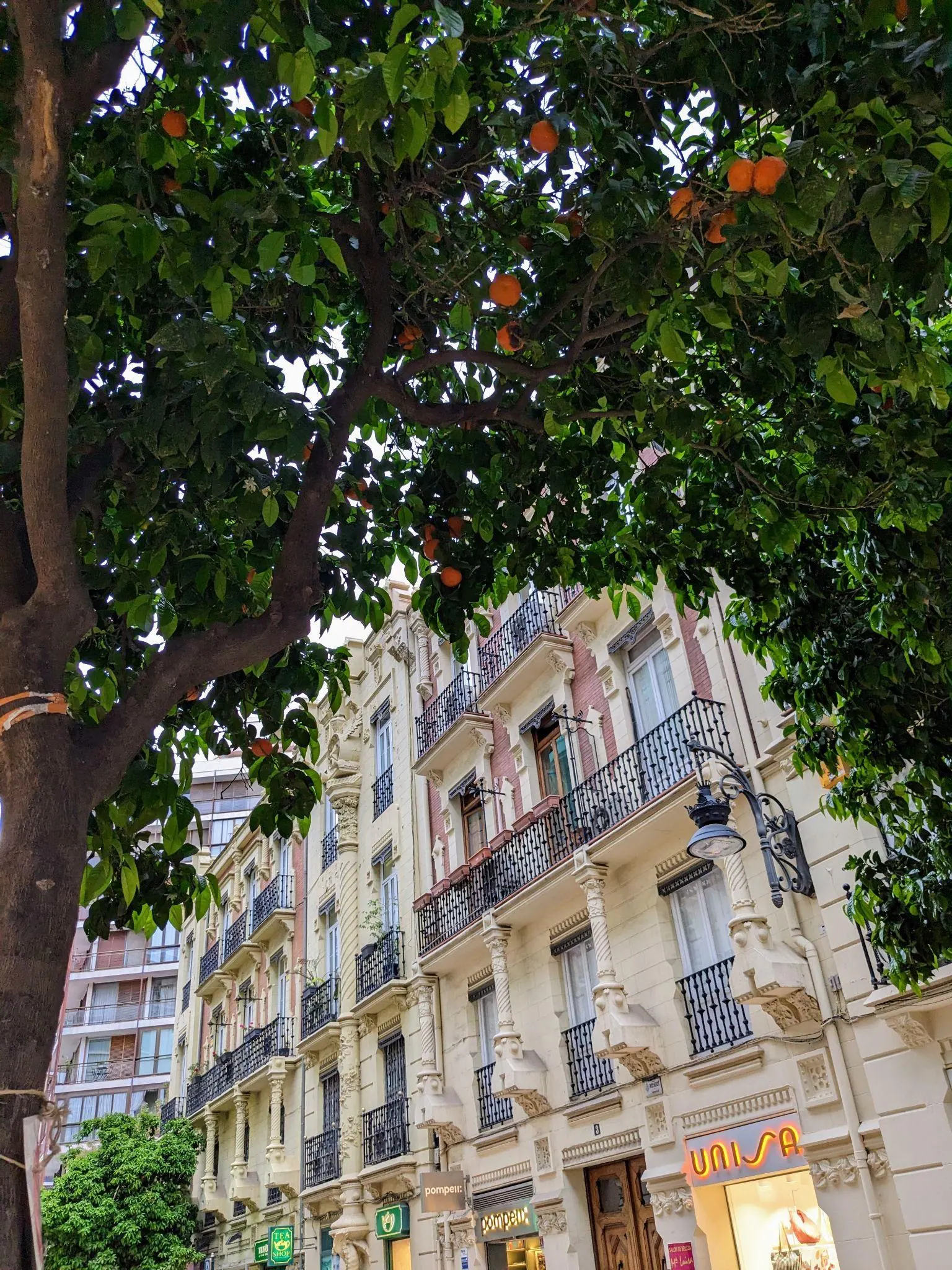
- Horchata Break at Horchatería Daniel: Pull up a chair inside Mercado de Colón at this famous outpost from Alboraya to taste real artisanal horchata de chufa. Authentic Valencian horchata is made from pressed tiger nuts (not dairy or rice), and it’s sweet, nutty, and wonderfully refreshing on a warm day. You can order it líquida (smooth and ice-cold), granizada (slushy crushed ice), or mixta (half and half). Be sure to get a couple of warm fartons - long, airy sponge pastries dusted with sugar - to dip straight into your glass.
- Wandering Bohemian Ruzafa: Cross Gran Vía into Ruzafa, Valencia’s creative, bohemian enclave brimming with specialty coffee shops, vintage clothing stores, independent bookstores, and the color-blocked Mercado de Ruzafa. It is made for getting lost, but keep a map handy on your phone. Even after 5 years in Valencia, I still manage to get turned around in Ruzafa’s diagonal street grid. It is also a great place to grab a drink at night: it’s very lively and has plenty of options.
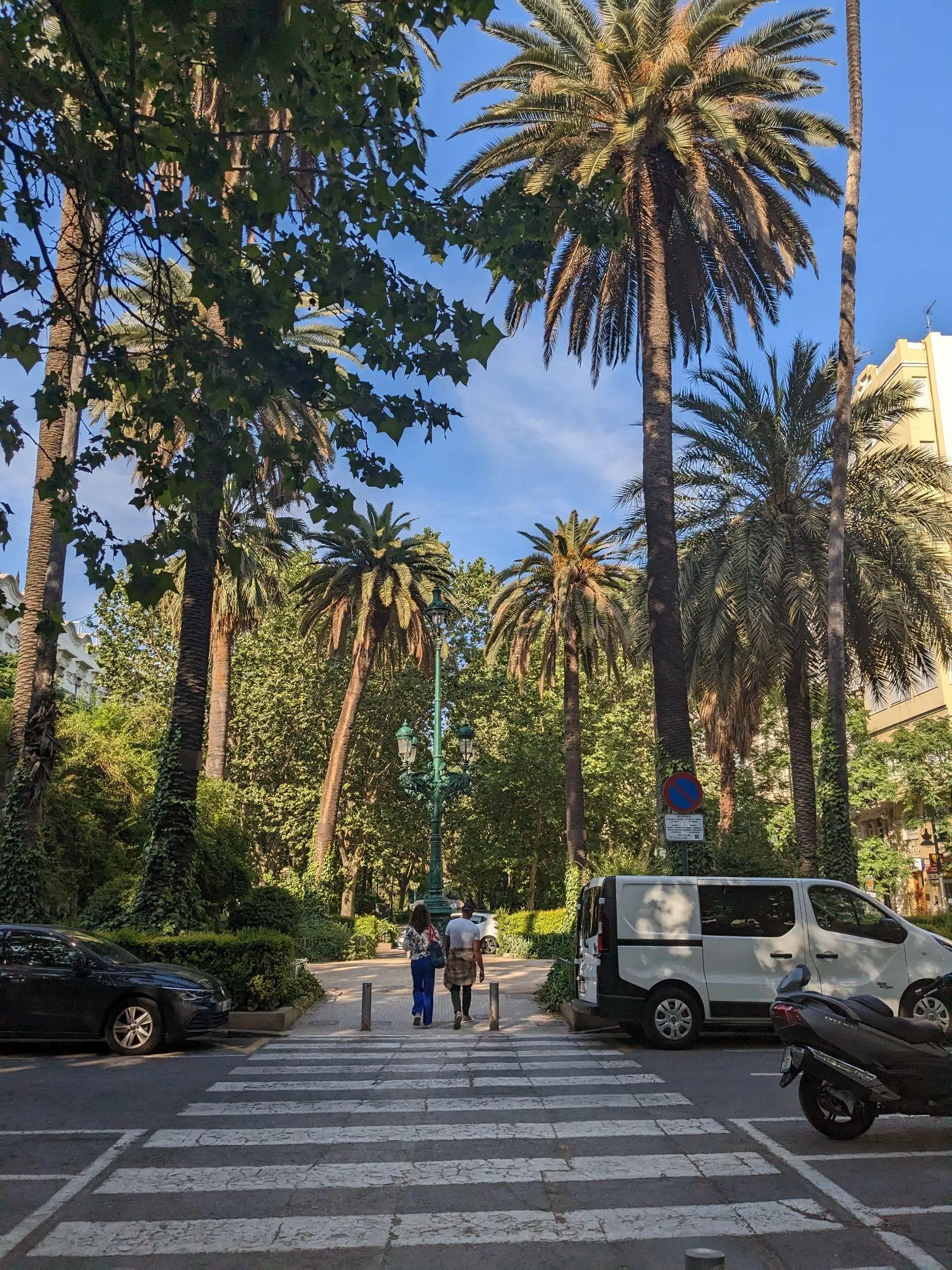
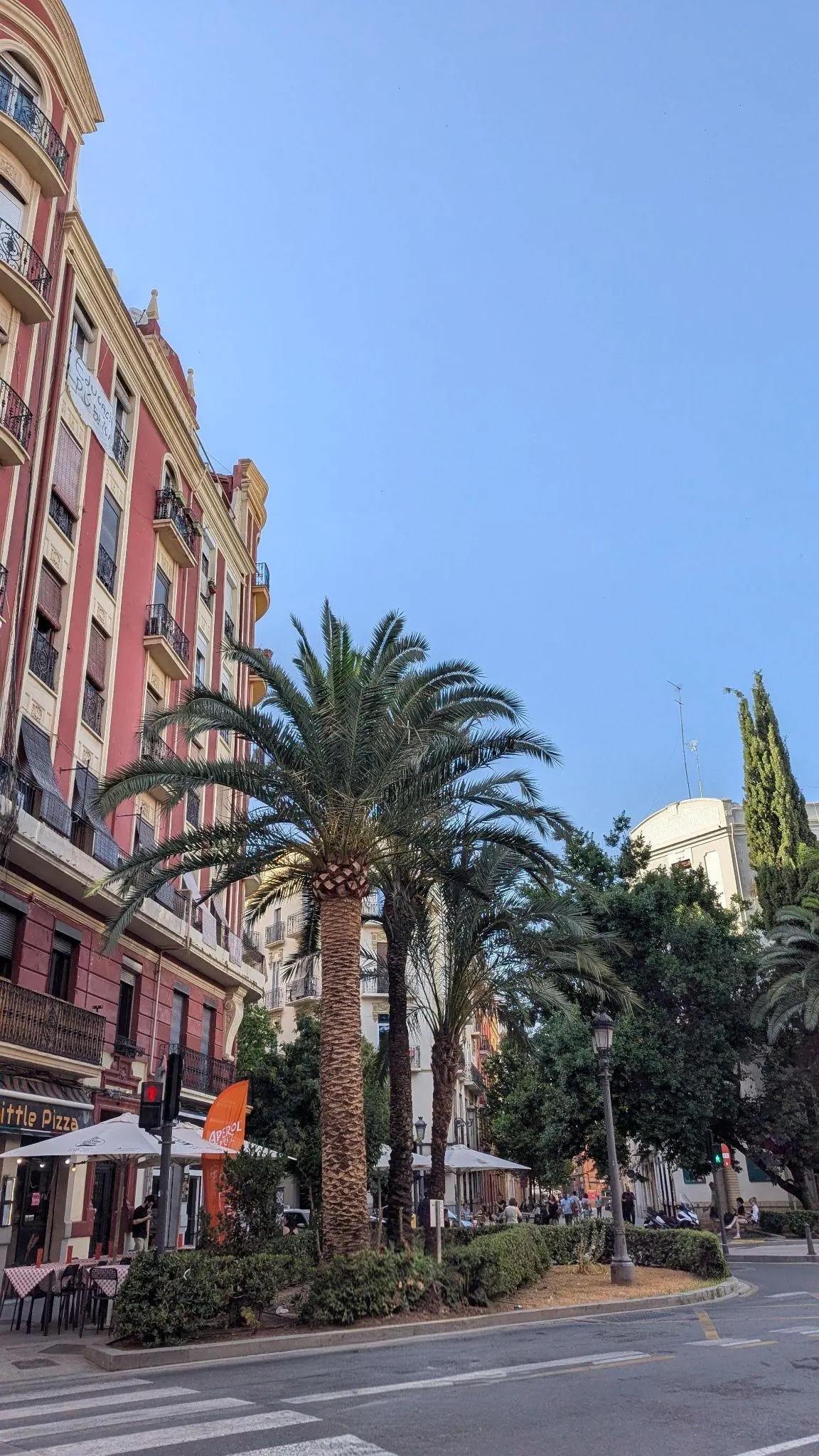
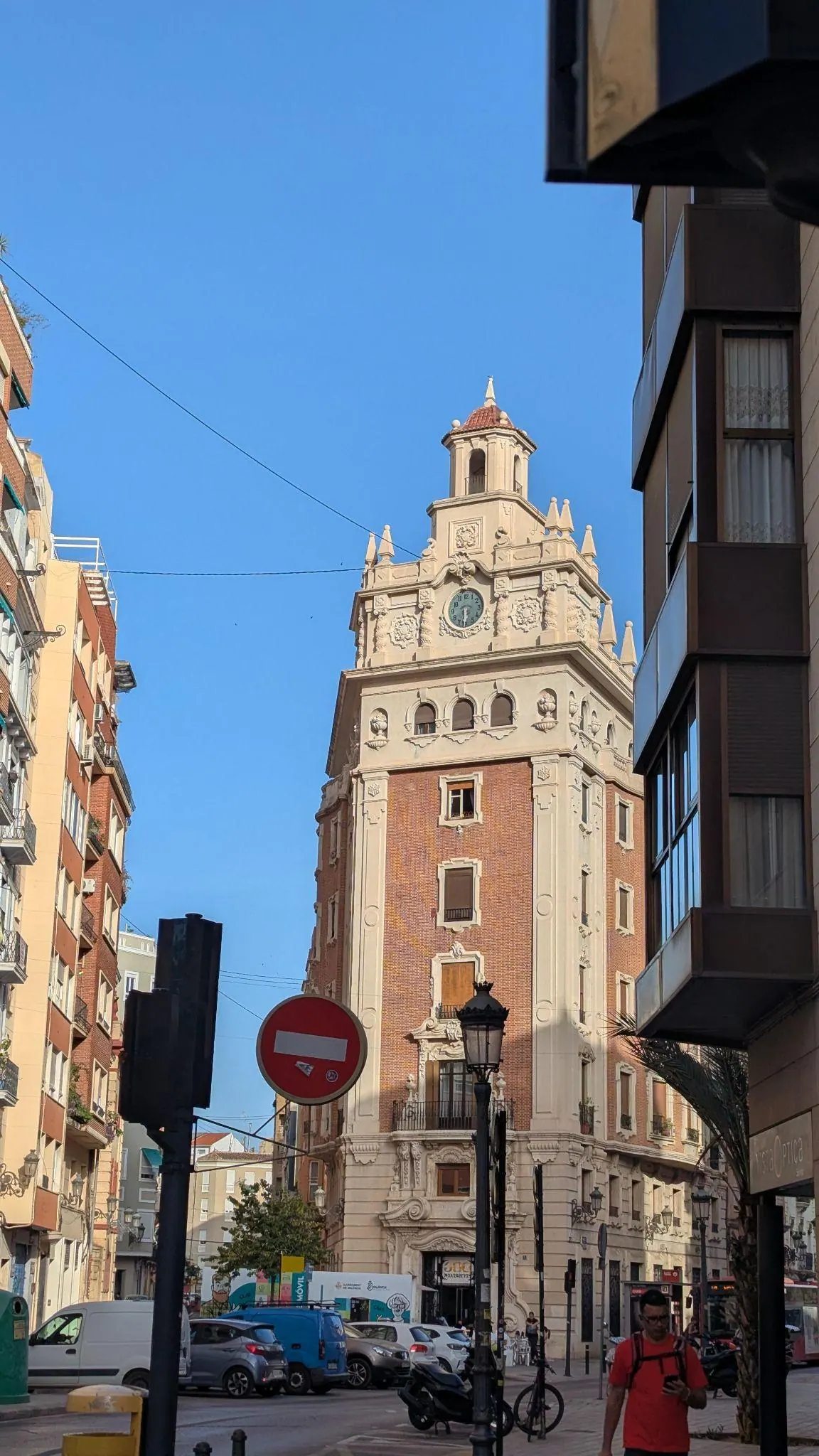
6. El Palmar & The Albufera Lagoon (Boat Rides, Sunset & Authentic Paella)
- El Palmar Village: Hop on bus #24 or drive 20 minutes south to El Palmar, the fishing village surrounded by endless green rice paddies where paella was born. (On weekends and holidays, bus #24 drops you at the entrance roundabout, an easy five-minute stroll past whitewashed houses to the restaurants).
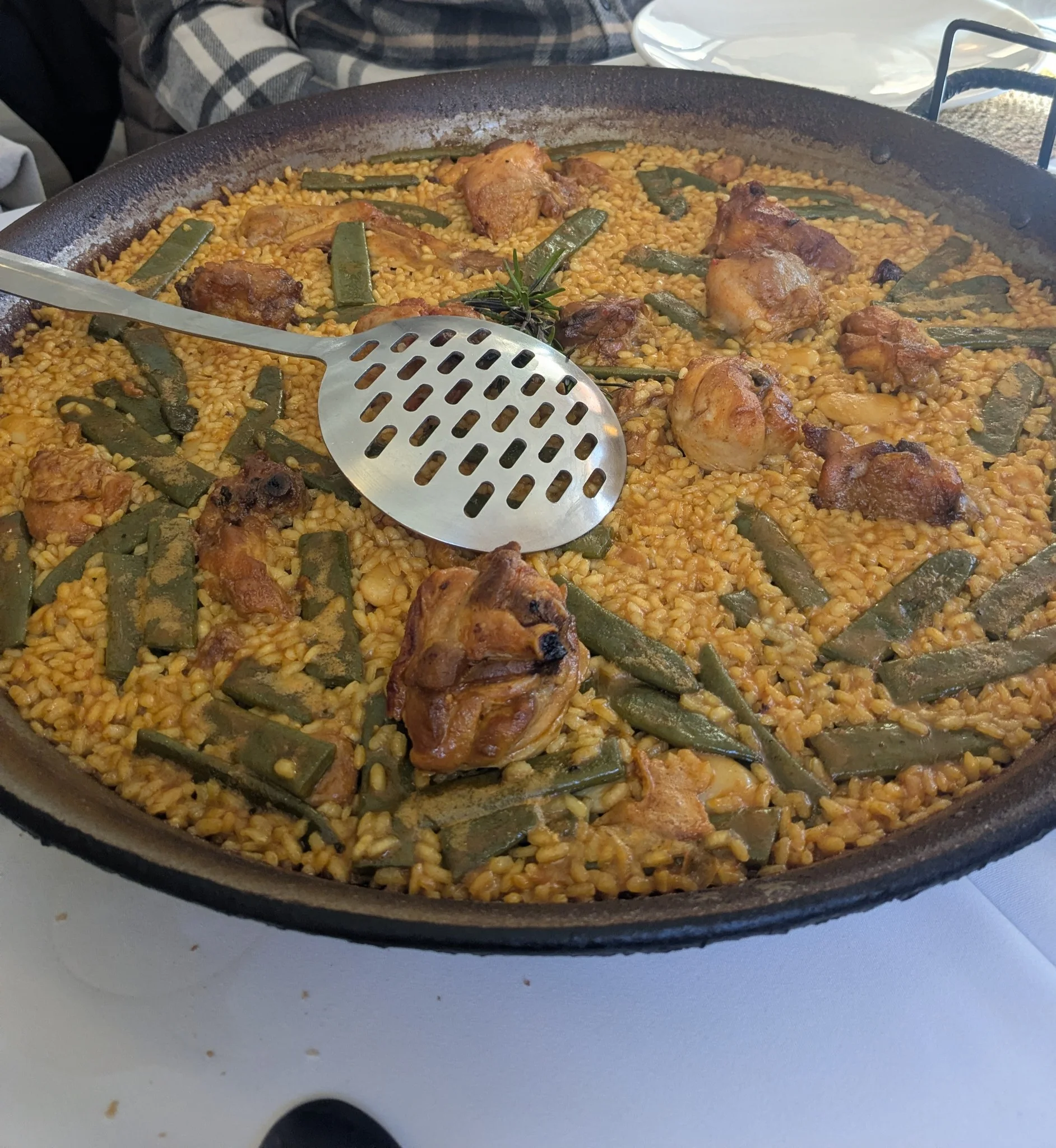
- Lunch at El Sequer de Tònica: This is one of the spots where the paella was exceptionally delicious for me, cooked over fragrant orange-wood fires with proper chicken, rabbit, green beans (bajoqueta), garrofó, and crispy socarrat at the bottom. Be sure to book ahead, especially on weekends when local families pack it out.
- Traditional Wooden Boat Ride on the Albufera Lagoon: After lunch, step aboard a handcrafted flat-bottom wooden boat (albuferenc) for a 45-minute glide through narrow reed-lined waterways into the wide, calm expanse of the Albufera lake (around €5 to €6 per person from El Palmar or the CV-500 docks). As you cruise along, you can spot herons and other birds in the reeds and see old fishermen’s cottages (barracas) in the distance.
- Sunset at Gola de Pujol: For the quintessential Valencia postcard moment, head to the rustic wooden jetty at Mirador de la Gola de Pujol next to Estany del Pujol. Watching the sky blaze orange and magenta over the still water and silhouettes of moored wooden boats is pure Mediterranean magic.

7. Other Neighborhoods to Explore (If You Have Spare Time)
If you have extra days and want to see where locals actually live, eat, and hang out away from the postcard sights, two contrasting neighborhoods are well worth a stroll:
- Benimaclet (Student Energy & Village Charm): Just across the Turia park, Benimaclet was an independent farming hamlet until the late 19th century, and it still fiercely retains its small-village soul. Centered on pedestrian Plaza de la Asunción, its low-rise whitewashed streets, inexpensive terrace bars, and buzzing student community make it a fantastic, unpretentious local hangout.
- Cánovas (Modernist Streets & Giant Ficus Trees): Just south of Mercado de Colón, Cánovas is a leafy, handsome neighborhood lined with elegant turn-of-the-century townhouses, pastry shops, and cocktail spots. But my favorite thing here isn’t the shopping - it’s the enormous, ancient Ficus trees along Gran Vía Marqués del Turia and Plaza de Cánovas del Castillo. Their aerial roots hang down like tangled curtains to the pavement, and the canopies are so huge they feel like living green cathedrals overhead.
Where to Eat & Drink in Valencia: Paella, Esmorzaret & Tapas
Dining in Valencia is a genuine cultural experience shaped by specific daily rhythms. Locals never rush their food, and eating well here is all about knowing what to order and when: the mid-morning sandwich feast (esmorzaret) around 10:30, a long, leisurely wood-fired rice lunch (paella) between 13:30 and 16:00, and relaxed evening tapas with wine and cocktails that start around 20:30 and stretch past midnight.
To make planning easy, here is a complete roundup of every food and drink spot recommended throughout this guide, gathered together in one place by specialty:
Authentic Paella & Traditional Rice
- El Sequer de Tònica (El Palmar): My favorite spot for traditional wood-fired Valencian paella in the Albufera wetlands. Cooked over orange wood with chicken, rabbit, bajoqueta, and garrofó, with that prized crispy socarrat layer at the base. Remember to book ahead.
- La Ferradura (Playa de la Patacona): An unassuming beachfront restaurant right along the Patacona promenade, ideal for fresh seafood rice dishes and paella right next to the Mediterranean waves.
The Mid-Morning Esmorzaret Ritual
- Bar Kiosko La Pérgola (Paseo de la Alameda): A beloved Valencian institution for the sacred mid-morning esmorzaret. Their crusty baguettes come stuffed with grilled loin, bacon, sausages, and secret sauces. I took a sandwich from them for a hike, and the crusty bread held up remarkably well throughout the entire trail.
Horchata & Artisan Sweets
- Horchatería Santa Catalina (Plaza de Santa Catalina): A centuries-old, tile-lined classic in the historic center serving refreshing tiger-nut horchata de chufa with spongy fartons, or hot chocolate and churros.
- Horchatería Daniel (Mercado de Colón): The central outpost of Alboraya’s most famous horchatería, set beneath the soaring Art Nouveau arches of Colón Market.
- Dulce de Leche Boutique: With popular locations all around the city, this is my spot if I go for sweets: an irresistible cafe where the counters are laden with homemade layer cakes, fresh fruit tarts, and buttery pastries.
Breakfast, Tapas & Casual Dining
- Alma Libre (Almalibre Açaí House, El Carmen): Right in the heart of El Carmen, this is a great place with quality food for good prices. It is a fantastic breakfast spot with good coffee and fresh açaí bowls, but they also serve burgers and delicious patatas bravas. Everything is fresh, and even though I’m not vegetarian, I like the place a lot.
- Sidrería El Molinón & Bocatín del Carmen (El Carmen): My top two picks for authentic casual dining in El Carmen: hearty Asturian tapas with cider poured high at El Molinón, or affordable artisan bite-sized sandwiches (bocatines) at Bocatín.
- Pizza at Las Raíces (El Carmen / Ciutat Vella): Superb slow-fermented Neapolitan pizza tucked away near Plaza de la Virgen. Arrive early as it is cozy and does not take bookings.
- Ruzafa Evening Tapas Terraces: Calle Dénia, Calle Cádiz, and Calle Sueca transform nightly into vibrant open-air dining strips lined with buzzing tapas bars.
- Hundred Burgers (Ruzafa & Citywide): Nationally celebrated craft burgers made with dry-aged beef patties and brioche buns baked in-house daily.
- Honest Greens: Though it’s a chain restaurant, the greenery it offers and deliciousness is well worth it, featuring wholesome market bowls, fresh seasonal salads, and grilled dishes served in a vibrant, plant-filled space.
- El Aprendiz de Tapas (Benimaclet): An inventive, elevated tapas bistro in village-like Benimaclet showcasing creative modern takes on Spanish classics. They are on the more expensive side, but absolutely worth the price for the incredible quality and flavors.
Bars, Cocktails & Nightlife
- Plaza del Negrito (El Carmen): The quintessential historic plaza to grab an outdoor terrace table for cold beers, vermouth, and people-watching as the square fills with locals after 21:00.
- Café Sant Jaume & Café de las Horas (El Carmen): The classic places to order a cold pitcher of Agua de Valencia (cava, fresh orange juice, vodka, and gin), whether on the lively terrace at Sant Jaume or under the lavish neo-baroque chandeliers of Café de las Horas.
- La Fábrica de Hielo & Mercabañal (El Cabanyal): Creative maritime nightlife just steps from the sand, offering indie DJ sets, vintage sofas, craft beer, and open-air shipping container food stalls.
Live Music & Concert Venues
- Radio City (El Carmen): A legendary cultural bar tucked down a narrow alley that has hosted flamenco nights, live funk, reggae, and acoustic indie gigs for decades.
- Peter Rock Club (El Carmen): An energetic rock and indie venue on Calle Quart with a genuine underground atmosphere, hosting live bands followed by late-night rock DJ sets.
- Loco Club (Extramurs): Valencia’s benchmark live music hall on Calle Erudito Orellana, renowned for its stellar sound system and concerts by international touring acts, rock, and indie bands.
- La Vitti (Plaza Xúquer): A cozy, bohemian vintage bar near the university known for sensational live jazz and weekly jam sessions in an intimate retro setting.
How to Plan Your Days: Recommended Itineraries
Now that you know the neighborhoods, here is how to piece them together into smooth, stress-free itineraries based on how many days you have:
1 Day in Valencia: The Highlights Reel
- Morning: Start at Mercado Central (Central Market) for fresh juice and local pastries, admire the twisting columns of Lonja de la Seda (The Silk Exchange), and meander through Plaza Redonda to Plaza de la Reina (Queen’s Square) and Plaza de la Virgen (Virgin’s Square).
- Lunch: Grab casual tapas in El Carmen at Sidrería El Molinón or Bocatín del Carmen.
- Afternoon: Head east down into the Turia Gardens (by rental bike or bus) all the way to the futuristic City of Arts and Sciences to take in the architecture reflected in the pools.
- Late Afternoon / Sunset: Head back to Torres de Serranos (Serranos Towers) to climb up for sunset views over the old town rooftops.
- Night: Finish with an Agua de Valencia on a terrace in Plaza del Negrito (El Negrito Square), followed by pizza at Las Raíces or live music at Radio City.
2 Days in Valencia: The Historic Core & The Mediterranean Coast
- Day 1 (The Historic Core): Follow the full Ciutat Vella and El Carmen route: Mercado Central, Lonja de la Seda, climbing El Micalet, Portal de Valldigna, the frescoes of San Nicolás, Casa dels Gats, Torres de Serranos, and an evening of tapas and cocktails in El Carmen.
- Day 2 (Turia Gardens, City of Arts & Sciences, Marina & Beaches): Rent a bike to ride the length of the Turia Gardens, stopping for esmorzaret at La Pérgola. Spend early afternoon exploring the City of Arts and Sciences, pedal down to the Marina for a drink at Veles e Vents, cruise past Las Arenas and Malvarrosa up to Playa de la Patacona, and finish with evening tapas and indie culture at La Fábrica de Hielo in El Cabanyal.
3 Days in Valencia: The Complete Local Experience (Recommended)
- Day 1 & Day 2: Follow the 2-day itinerary above to cover the historic center, Turia park, the City of Arts and Sciences, and the coastal beaches.
- Day 3 (Modernist Ensanche, Hipster Ruzafa & Authentic Paella):
- Morning: Start in the upscale Ensanche district with a visit to Mercado de Colón (Columbus Market), sip artisanal tiger-nut horchata at Horchatería Daniel, and wander the indie boutiques and vintage bookshops of Ruzafa.
- Lunch: Take bus #24 south to El Palmar for authentic wood-fired paella valenciana at El Sequer de Tònica.
- Afternoon & Sunset: Take a traditional wooden boat ride across the Albufera lagoon, followed by watching the sunset from the jetty at Mirador de la Gola de Pujol.
- Night: Head back to Ruzafa for evening terrace dining along Carrer de Dénia, or grab dinner at Hundred Burgers.
4+ Days in Valencia: Hidden Neighborhoods & Day Trips
- Day 4: Spend a relaxed morning exploring Benimaclet and the giant ficus trees of Cánovas, explore the Roman ruins beneath Centro de Arte Hortensia Herrero (CAHH) or the baroque ballrooms of Palacio del Marqués de Dos Aguas (Palace of the Marquis of Dos Aguas), and bike up to the colorful canals of Port Saplaya.
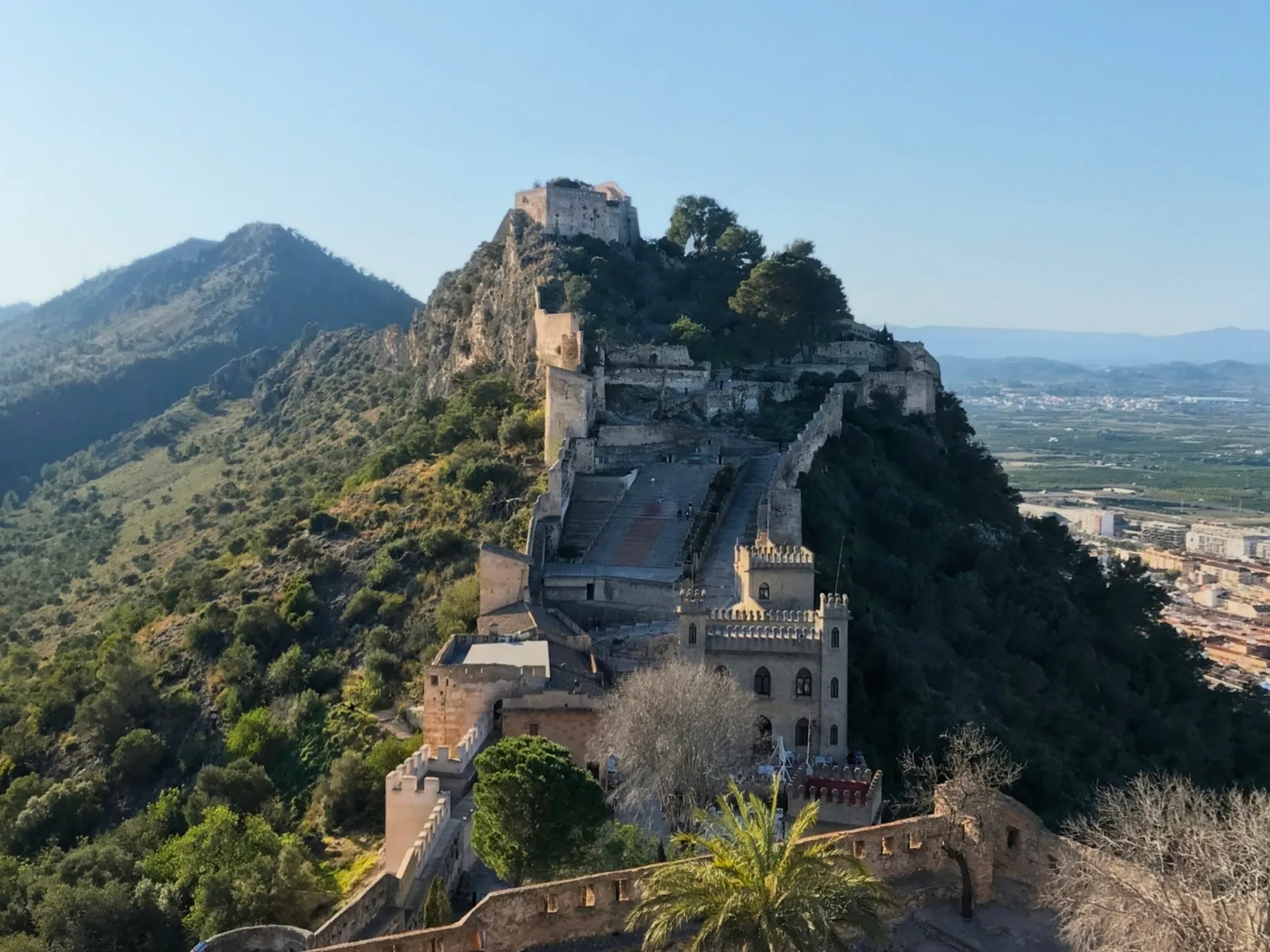
- Day Trips: Use your remaining days to explore the wider Valencian Community: take a day trip to the mountaintop fortress of Xàtiva, hike the hanging footbridges of Chulilla, or explore the Roman theater and castle in Sagunto (see my full guide to the 10 Best Day Trips from Valencia).
Practical Logistics: Getting Around & Best Season
- Transit Tickets: Metro and bus connections are cheap and reliable. If you plan to ride transit often, buy a rechargeable SUMA 10 card at any metro station machine. It significantly reduces the per-ride cost across metro, tram, and EMT buses.
- Cycling: Valencia has over 160 kilometers of protected, separated bike lanes and flat topography. Biking through the Turia park to the beach is the quintessential Valencia experience.
- Seasonality: Valencia’s mild Mediterranean climate makes it a year-round destination. If you prefer to avoid the summer heat, skip July and August, when midday temperatures and humidity make walking uncomfortable. Spring (April-June) and autumn (September-November) offer ideal sunny conditions, and winter remains mild and bright.
- The Golden Paella Rule: In Valencia, authentic paella is strictly a lunchtime ritual enjoyed unhurriedly between 13:30 and 16:00. Traditional restaurants simply do not cook fresh pans of rice at night. For the classic countryside chicken-and-rabbit recipe, head south to El Palmar or stick to lunchtime dining rooms.
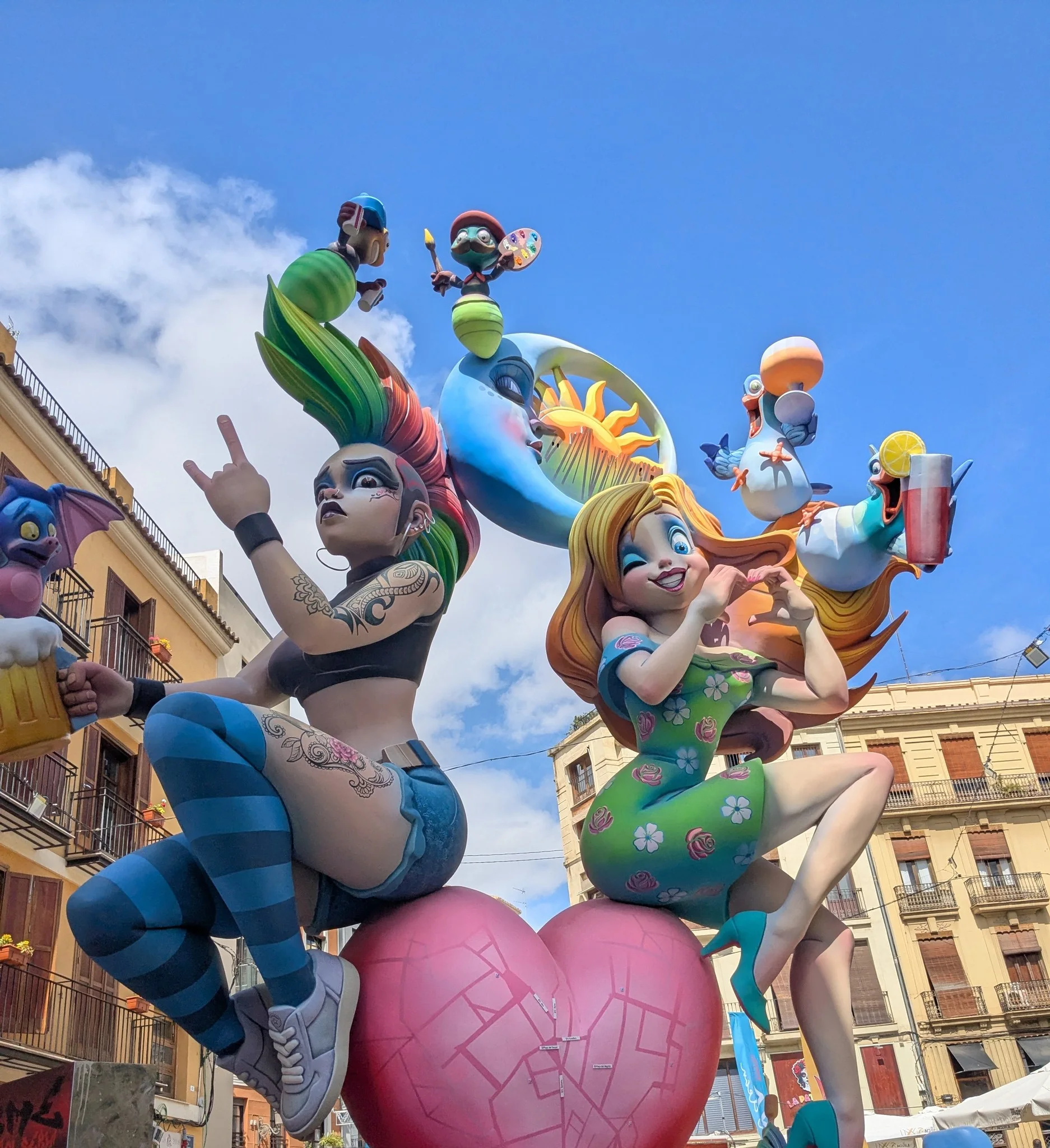
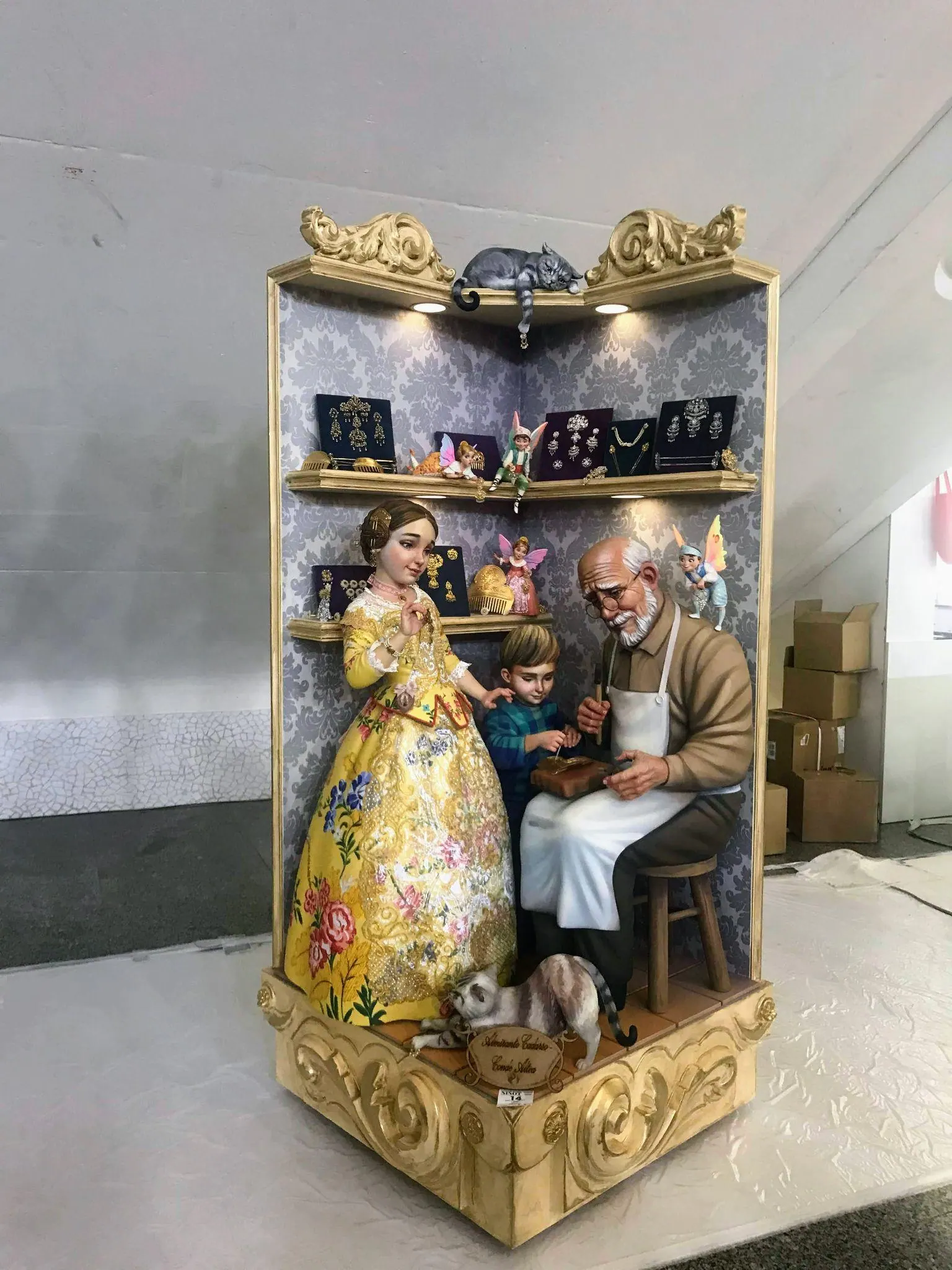
- Las Fallas & Museo Fallero (An Honest Local Take): Held every year from March 15 to 19, Las Fallas is Valencia’s colossal fire festival. To be honest, I am not personally a fan of the chaos: streets are blocked, ear-splitting firecrackers explode at all hours, and many locals flee to the countryside. But if you visit, it is an astonishing spectacle of giant satirical monuments (fallas) and thunderous 14:00 mascletà fireworks, ending with everything burned to ashes on the final night. If you are in Valencia at any other time of year, it is well worth visiting the Museo Fallero (Fallero Museum) to have a little glimpse of what Fallas is like, showcasing the pardoned figures (ninots indultats) saved from the flames.
FAQs
How many days do you need in Valencia?
Three full days hits the sweet spot for a first trip. It gives you one day to get lost in the old alleys of Ciutat Vella and El Carmen, one day to pedal down the Turia park to the futuristic City of Arts and Sciences and chill on the beach, and a third day for vibrant neighborhoods like Ruzafa and a memorable paella trip down to El Palmar in L'Albufera.
Is Valencia easy to walk around?
Completely. The historic center (Ciutat Vella, El Carmen, and El Mercado) is compact, flat, and almost entirely pedestrianized. To reach the City of Arts and Sciences or the beaches, renting a bike through the Turia park is the most enjoyable way to go, or you can hop on the cheap and clean metro, tram, or EMT buses.
Why shouldn't you eat paella for dinner in Valencia?
In authentic Valencian food culture, paella is strictly a lunchtime feast cooked fresh over wood fires and eaten between 13:30 and 16:00. Traditional restaurants simply don't cook fresh pans of rice at night.
What is traditional Paella Valenciana?
Despite what most people see abroad with prawns and mussels, authentic Paella Valenciana has zero seafood! It is an earthy countryside recipe born in the rice paddies, cooked with chicken, rabbit, flat green beans (bajoqueta), giant white garrofó beans, fresh rosemary, olive oil, and saffron. Seafood rice dishes are delicious by the beach, but the classic chicken-and-rabbit paella is what Valencian families actually cook together on Sundays.
Where is the best neighborhood to stay in Valencia?
El Carmen and Ciutat Vella are ideal for first-timers who want historic charm, cobbled alleys, and morning market walks right on their doorstep. Ruzafa is fantastic if you love indie coffee shops, vintage stores, and bustling evening dinner terraces. El Pla del Remei offers a stylish stay near Mercado de Colón, while El Cabanyal and Patacona are perfect for sea breezes and beach strolls.
Read next
More posts for this trip mood
 Europe
Valencian Community, Spain
10 Best Day Trips from Valencia: What's Actually Worth the Drive
From limestone river canyons and Roman aqueducts to medieval hill castles and sunset lagoons, here are the 10 best day trips from Valencia, Spain.
 Europe
Valencian Community, Spain
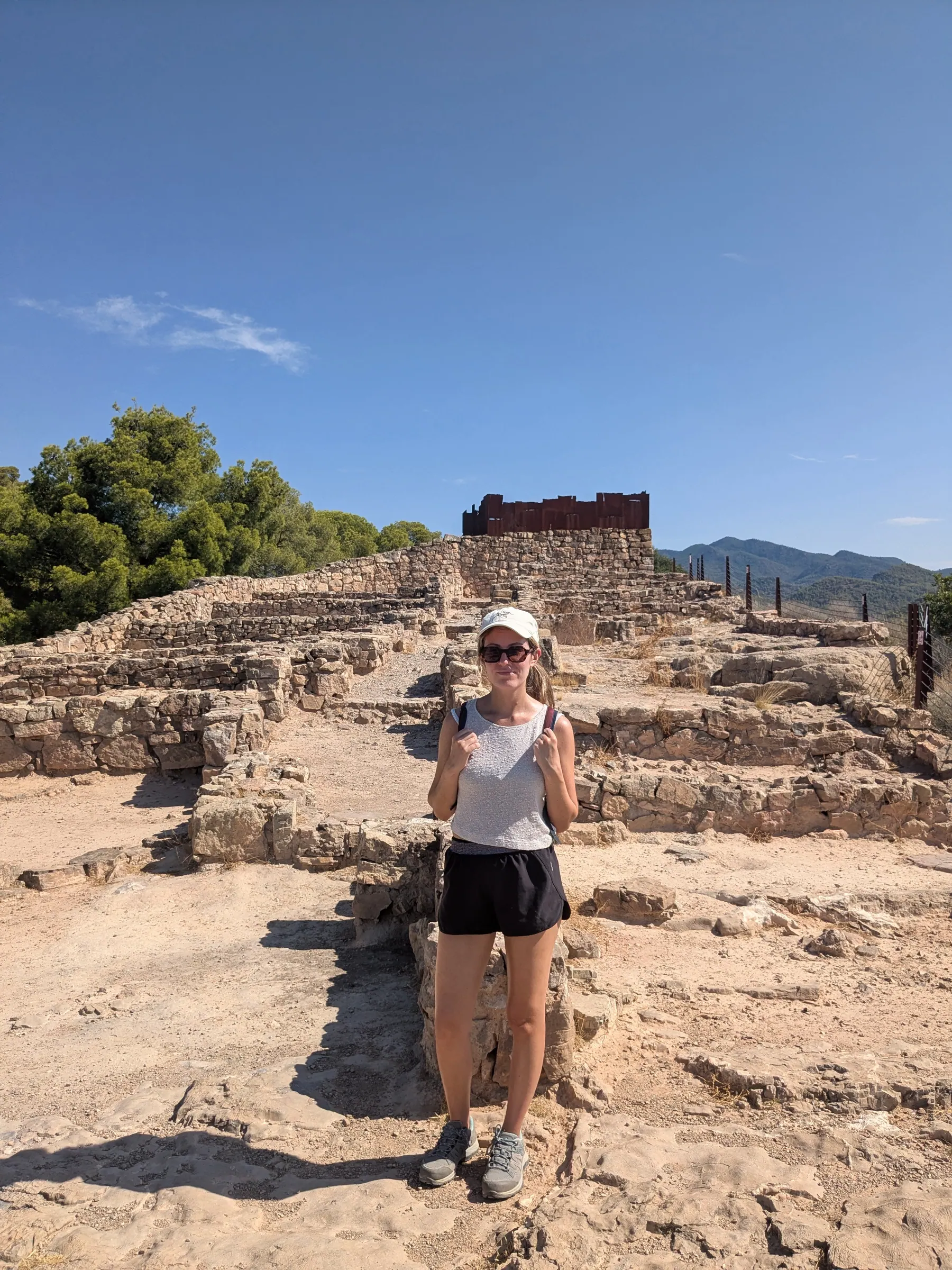
Puntal dels Llops: The Iberian Fortress Half an Hour from Valencia
Puntal dels Llops is a small Iberian fortress from the fifth century BC, on a hilltop above Olocau.
 Europe
Valencian Community, Spain
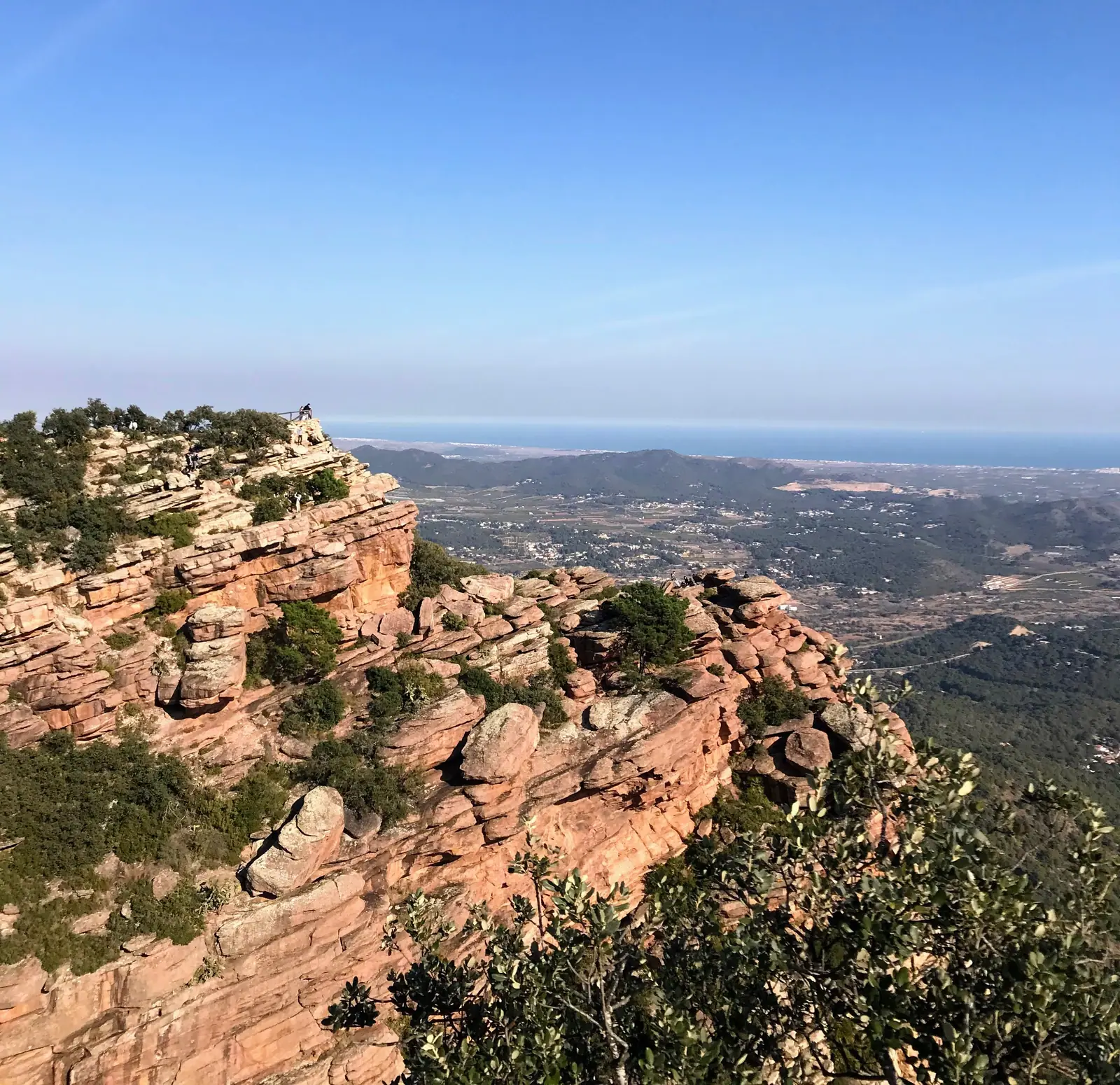
Sierra Calderona: The Best of Valencia's Mountains, From Iberian Ruins to a Dragon
From a dragon-shaped house on a rust-red hillside to Iberian ruins and a mountaintop viewpoint, these are the Sierra Calderona day trips worth leaving Valencia's beach for.