Morocco · Fez, Marrakech, Sahara and Essaouira · Morocco
How I Planned My Morocco Trip: What I Would Do Differently
Verdict 8 days, 3 cities, one desert tour, and a few lessons learned.
My practical Morocco itinerary and trip-planning guide: route, budget, Ramadan, desert tours, transport, safety, accommodation and what I would change.
The Itinerary
Our route worked because we flew into Fez and out of Marrakech, which kept the trip moving south without backtracking.
- Day 1Evening arrival in Fez
- Day 2Fez
- Days 3-5Three-day desert tour from Fez to Marrakech
- Day 6Marrakech
- Day 7Essaouira
- Day 8Morning in Essaouira, evening back in Marrakech
- Day 9Morning flight home
8 days, 3 cities, one desert tour, and a few lessons learned along the way.
My goal was to dedicate at least two days to each place, which I would recommend as a minimum for anyone wanting to scratch beneath the surface.
One place that did not make the cut was Chefchaouen, the famous blue village in northern Morocco. It was simply too far given our time constraints, so it stays on the list for a future trip.
Why Morocco
Morocco had been on my mind for a while. Living in Spain, it feels almost within reach: a short flight away, yet a completely different world. What finally pushed me to go was family. My family from Latvia decided to visit, and it turned into an unexpected reunion in North Africa. Best excuse to travel.
We were four in total, which made the trip both more fun and more economical. Splitting one room between four people makes a real difference to the budget.
Worth knowing: at the Strait of Gibraltar, Morocco and Spain are separated by only about 14 kilometres at the narrowest point. That explains why Morocco can feel so close from southern Europe, even though the atmosphere, architecture and rhythm of daily life feel completely different.
Traveling During Ramadan: Should You?
We visited during Ramadan, which I had read mixed opinions about before going. A colleague warned me it would be boring and everyone would be grumpy. She was wrong.
Yes, local food places close during the day while tourist-oriented restaurants stay open, so daytime eating requires a little planning. But the evening atmosphere more than makes up for it.
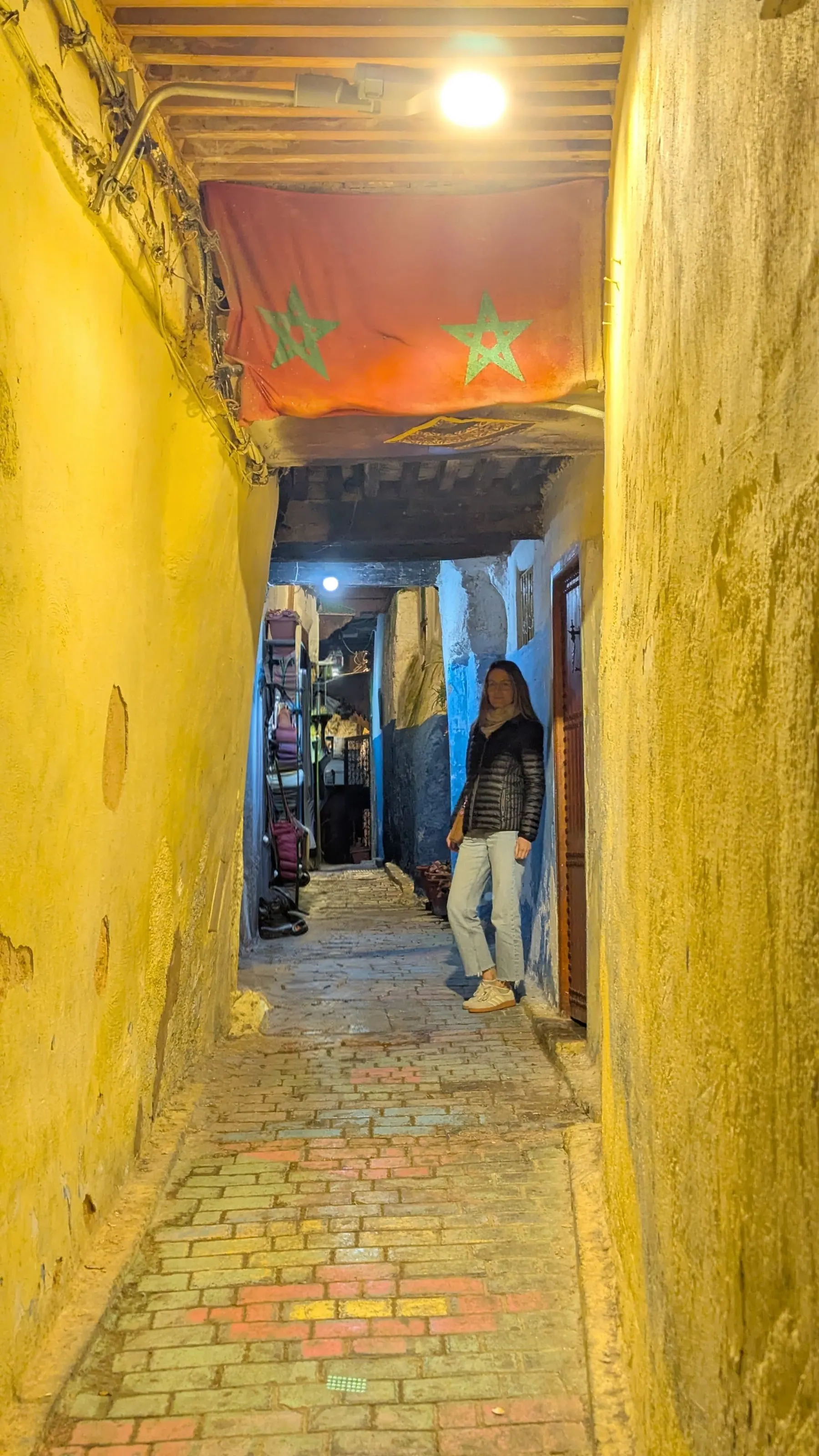
As sunset approaches, something magical happens. Locals start emerging from every corner: shop owners closing up, families heading out, the streets filling with an energy that feels genuinely different from any other travel experience. We even witnessed iftar, the meal that breaks the fast, with people sitting down wherever they were. Some shopkeepers would simply step aside from their stall and eat. It was one of the most human and authentic moments of the whole trip.
Planning fact: Ramadan follows the Islamic lunar calendar, so it shifts roughly 10 or 11 days earlier each year on the Gregorian calendar. That means a “Ramadan trip to Morocco” can feel very different depending on the year, because fasting hours, weather and sunset times all change.
Would I recommend traveling to Morocco during Ramadan? Yes, as long as you are flexible about daytime meals and willing to embrace the evening atmosphere.
Budget: How Much Does Morocco Cost?
Morocco is genuinely affordable, especially compared to Western Europe. Here is a rough breakdown based on our trip.
Flights: I paid around 60 EUR for a return trip, which is hard to beat.
Accommodation: This varied significantly by city. We shared one room between four people, which kept costs very manageable:
- Fez: around 35 EUR per night for the room
- Marrakech: around 95 EUR per night plus city tax
Solo travelers or couples should budget considerably more for accommodation, as these costs will not divide as favourably.
Food: Around 6-7 EUR per portion in mid-range places that were good quality without being fancy. Morocco is very affordable for food.
Overall trip budget: Around 550 EUR per person for 7 days, including flights, accommodation, food, transport, activities, souvenirs and items bought along the way. Very reasonable for a week abroad.
Money-Saving Tips
Always bargain. Prices indicated on souvenirs and in markets are usually higher than what is expected, and negotiating is part of the culture, not rude. Be reasonable, but do not accept the first price.
Bring cash. This is important. Paying by card is possible in some places, but many places, including some hotels, add a commission for card payments. Having cash avoids this completely and gives you more flexibility.
The Desert and Atlas Mountain Tour: Honest Review
I will be straightforward: the three-day desert tour from Fez was the part of the trip I would change if I could.
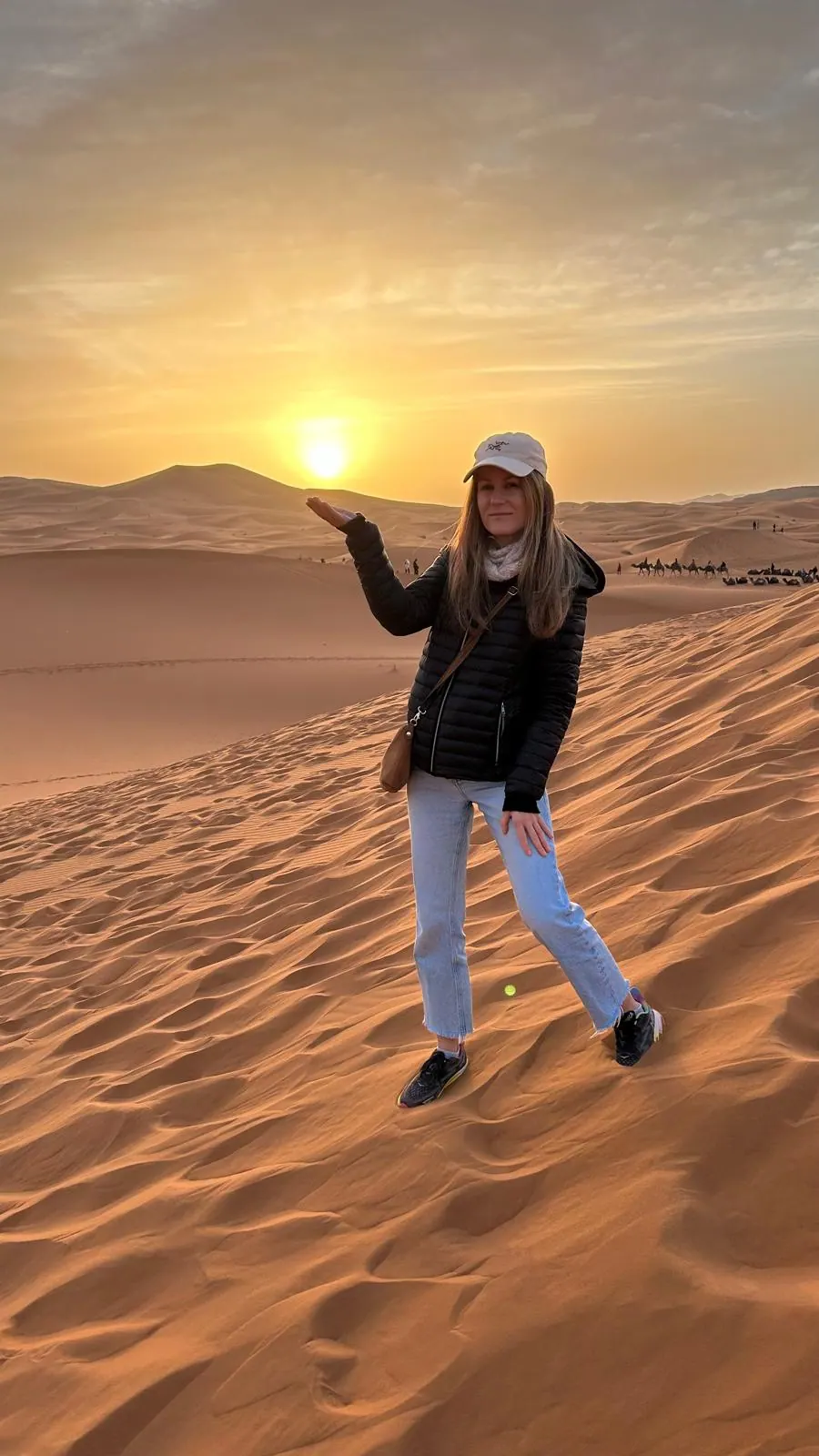
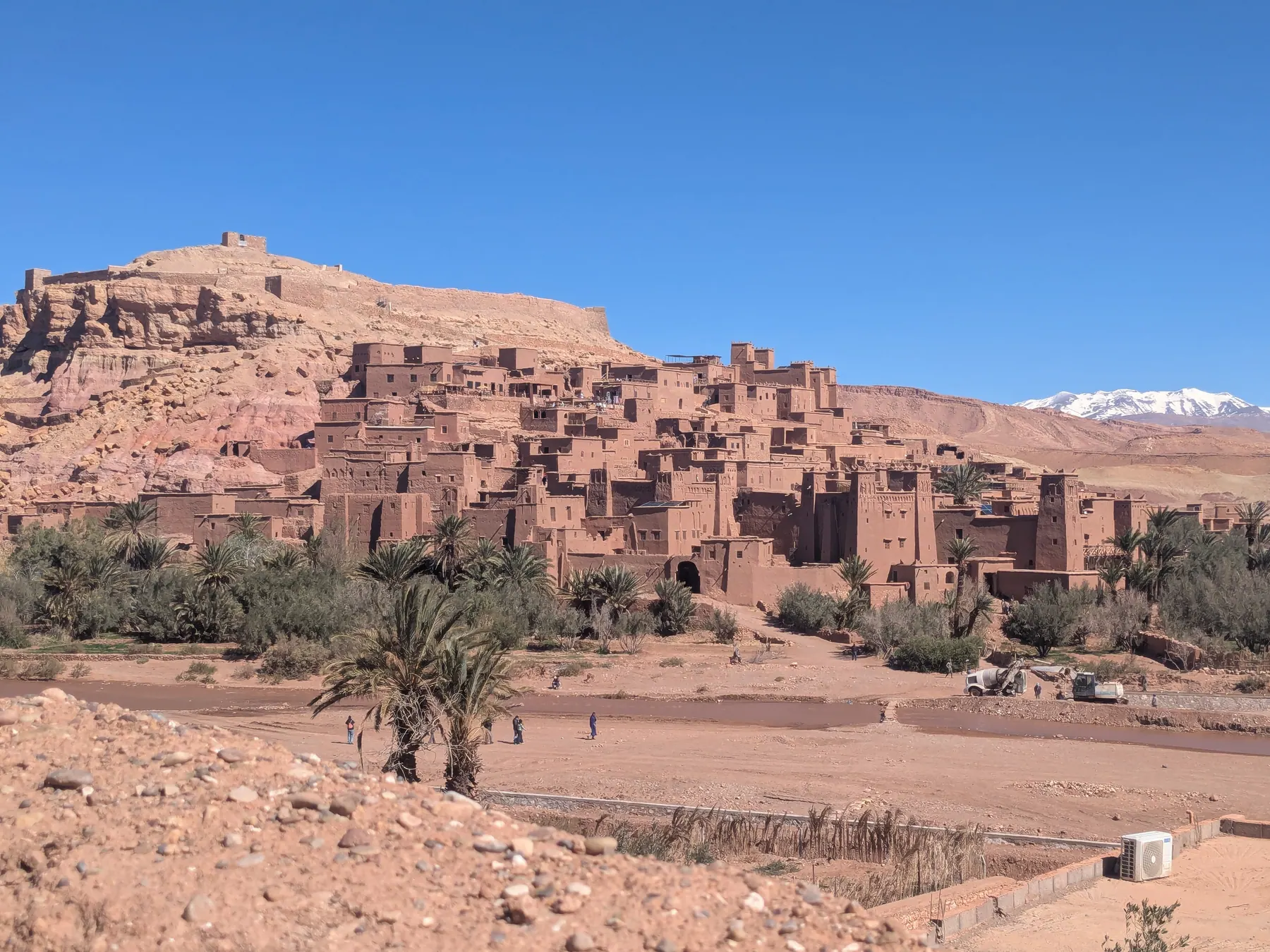
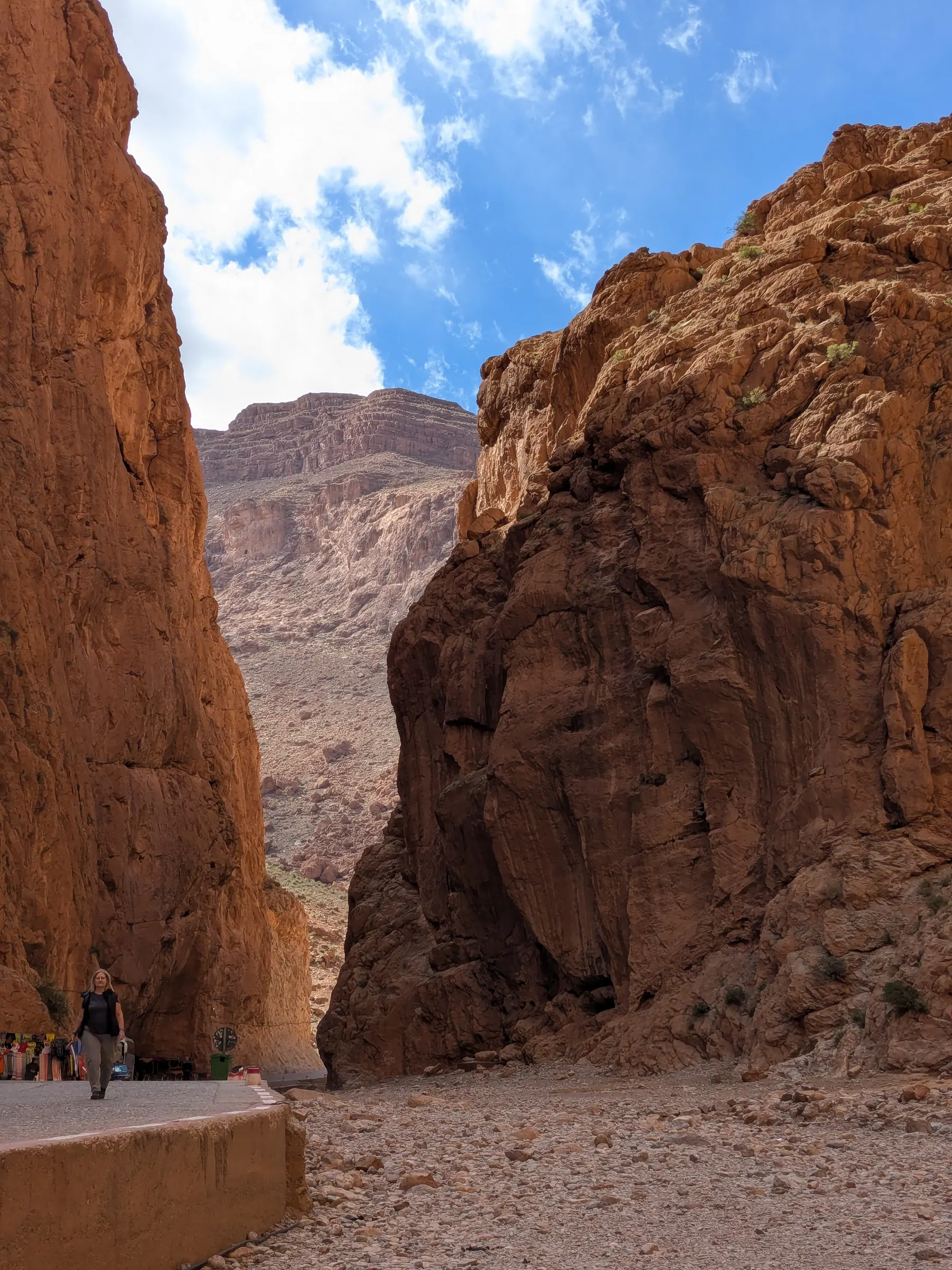
To give you an idea of what the tour covered, it included the Atlas Mountains, the desert at Merzouga with a sunset camel ride and overnight stay, sunrise the following morning, a stop at Ait Benhaddou, the spectacular Todra Gorge and some other small stops. On paper, an impressive itinerary.
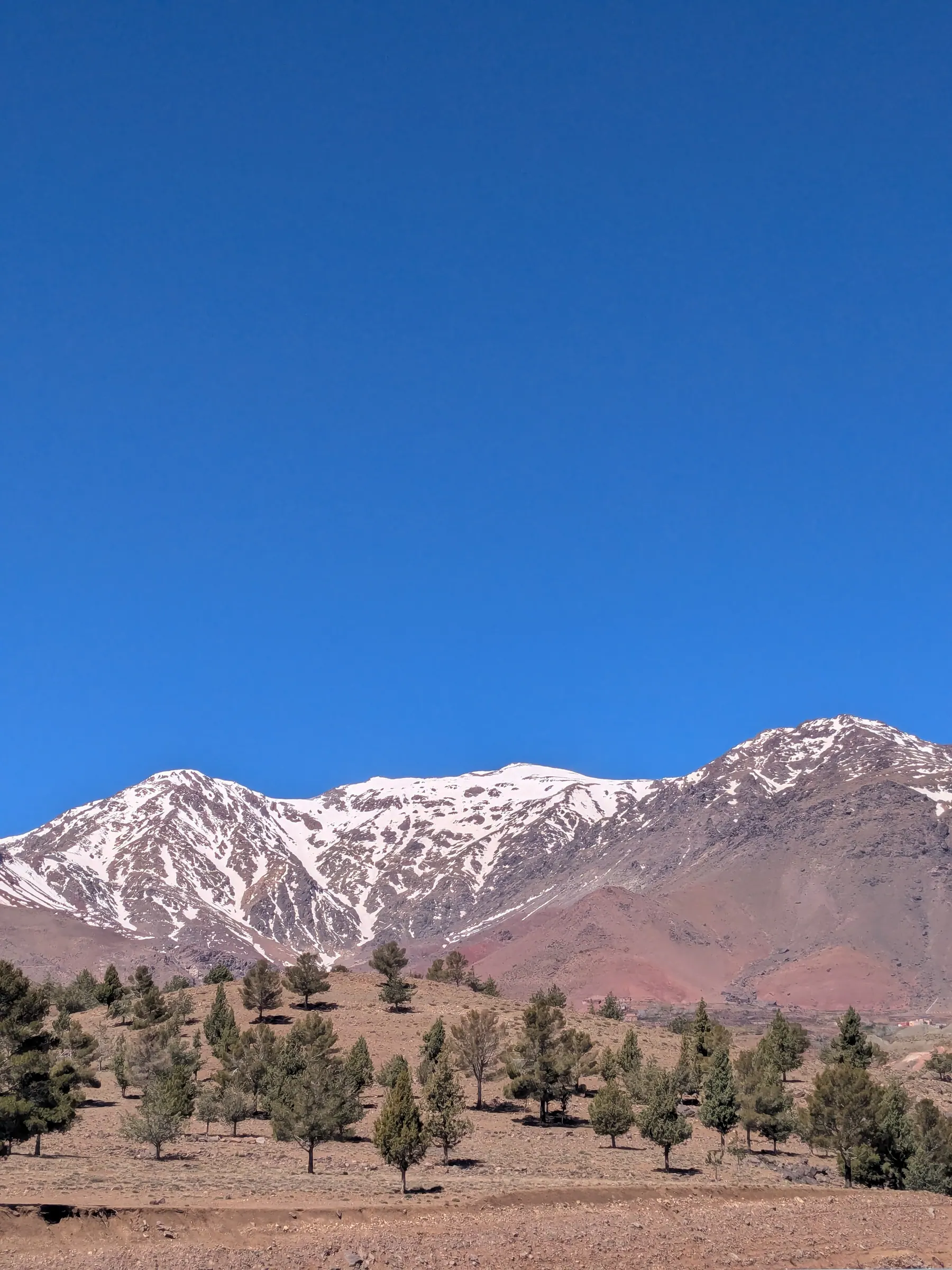
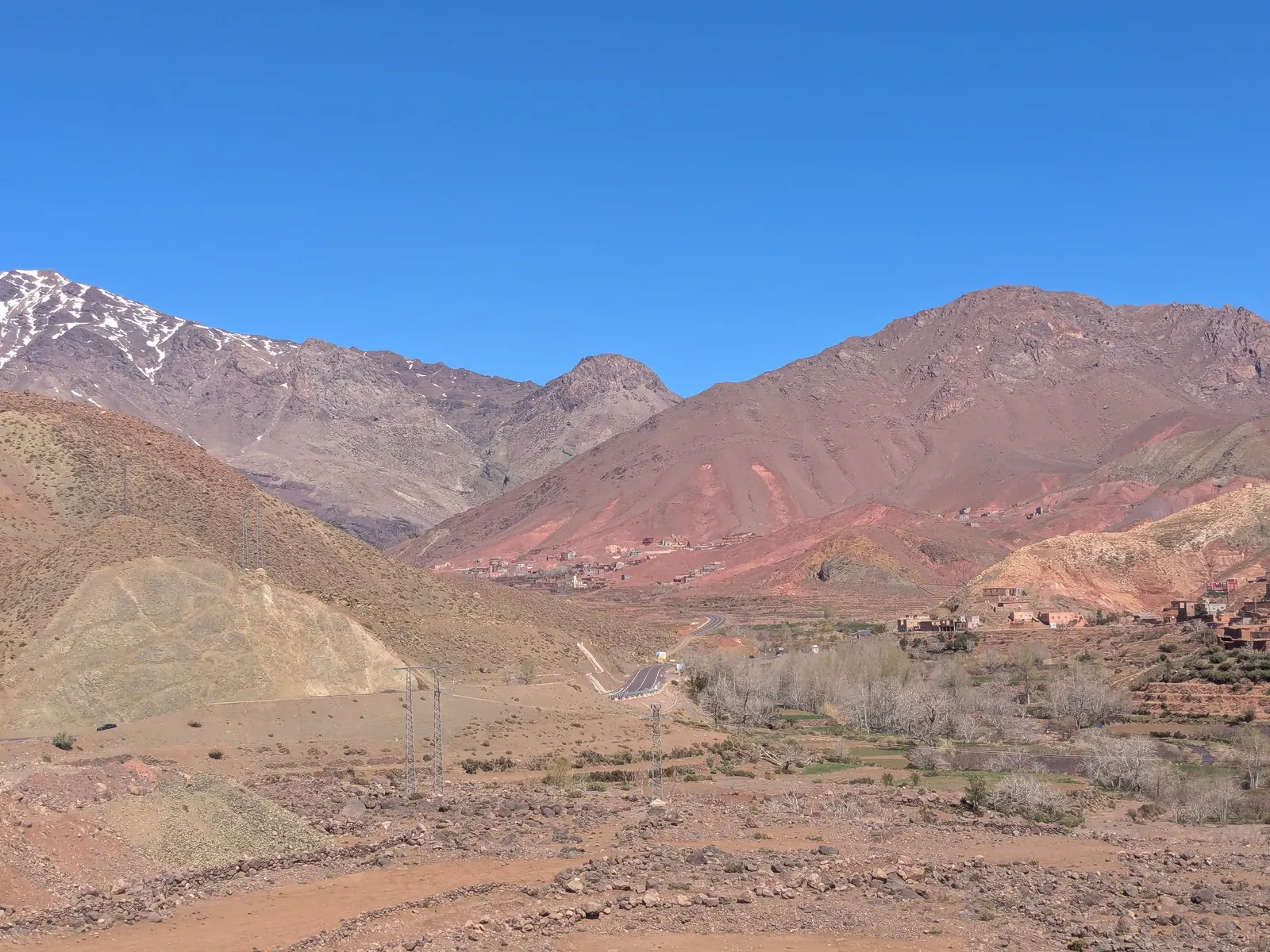
And honestly? The landscapes were absolutely breathtaking. Every single stop had views worth travelling for. The problem was never the destinations; it was the format. We spent most of the time on the bus, with stops that felt brief and rushed. Beautiful landscapes passed by the window without real opportunity to stop and absorb them, the Atlas Mountains being the most frustrating example. To be fair, the tour runs from Fez to Marrakech and covers an enormous distance, so the tight schedule is somewhat inevitable. But that is exactly why a slower, more flexible alternative is worth considering.
Route fact: Ait Benhaddou is a ksar, a fortified village made of traditional earthen architecture, and it is a UNESCO World Heritage Site. It also became famous as a filming location for productions including Gladiator, The Mummy and Game of Thrones, but its real importance is older: places like this once sat along caravan routes linking Marrakech with the Sahara and beyond.
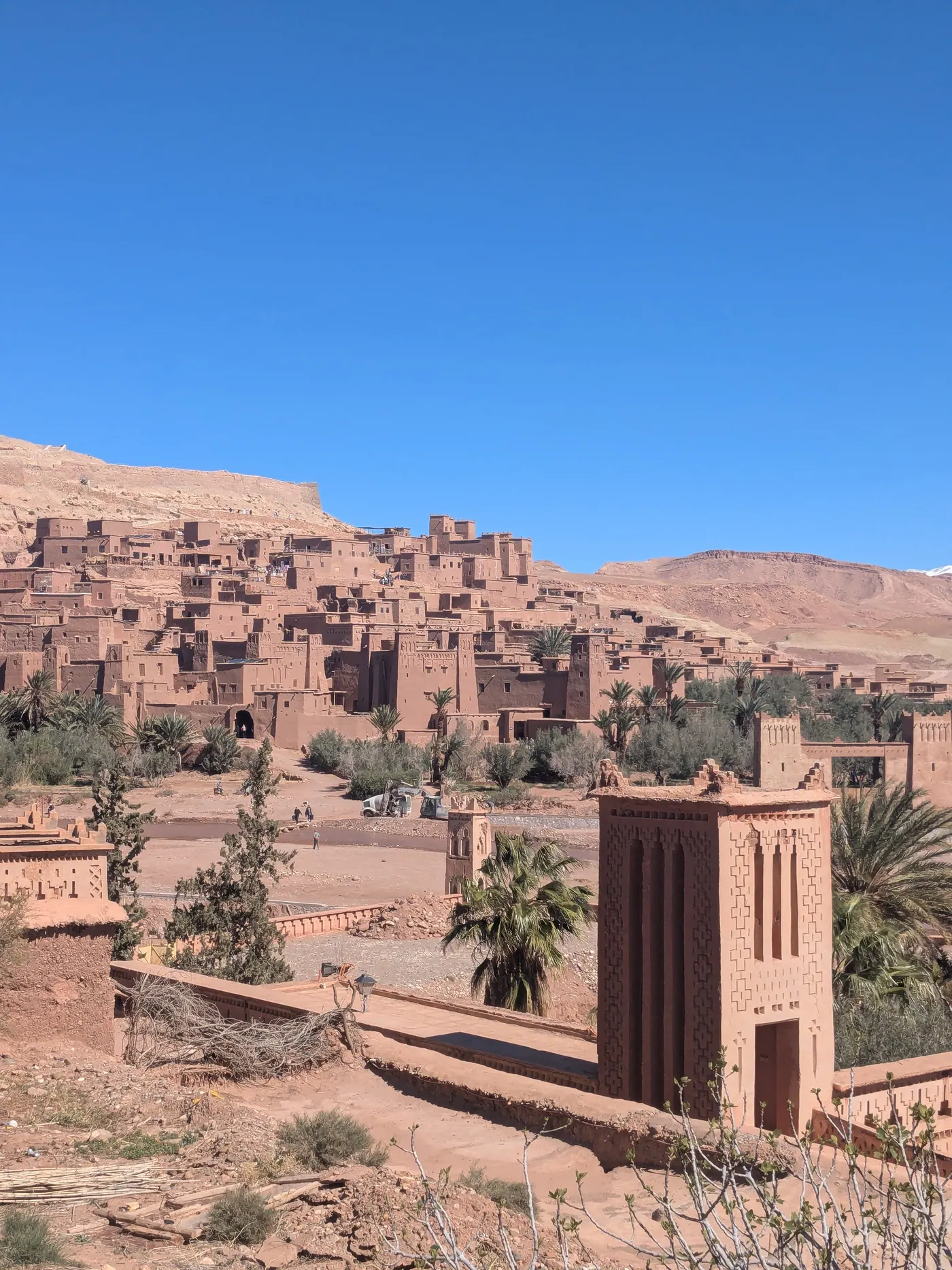
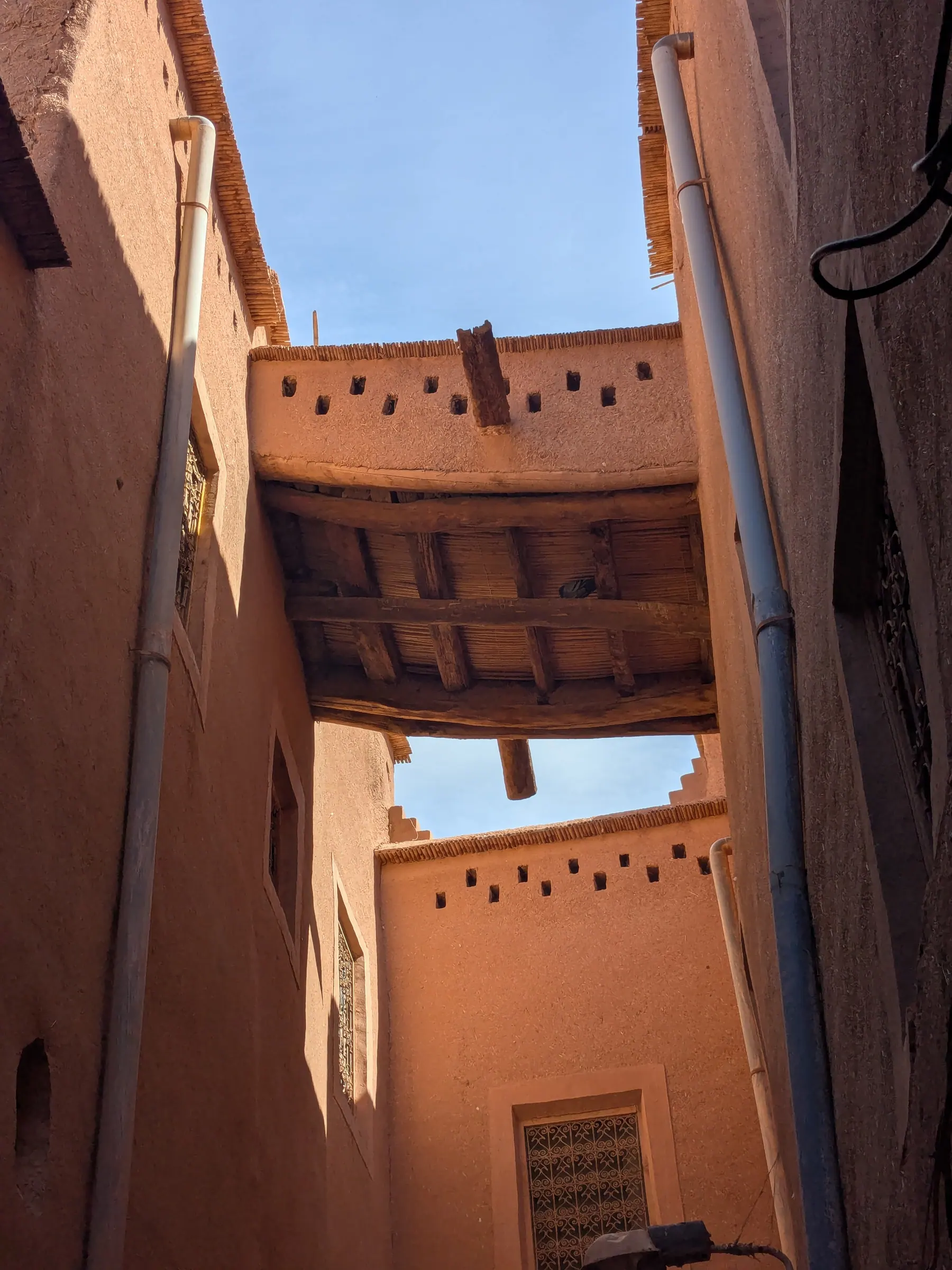
This is also where words like kasbah and ksar start to make sense. In simple terms, a kasbah is a fortified home or small fortress, while a ksar is a fortified village. Around places like Ait Benhaddou and the Tinghir area, you see how practical that architecture was: thick earth walls, towers, narrow passages and buildings designed to protect families, animals and goods.
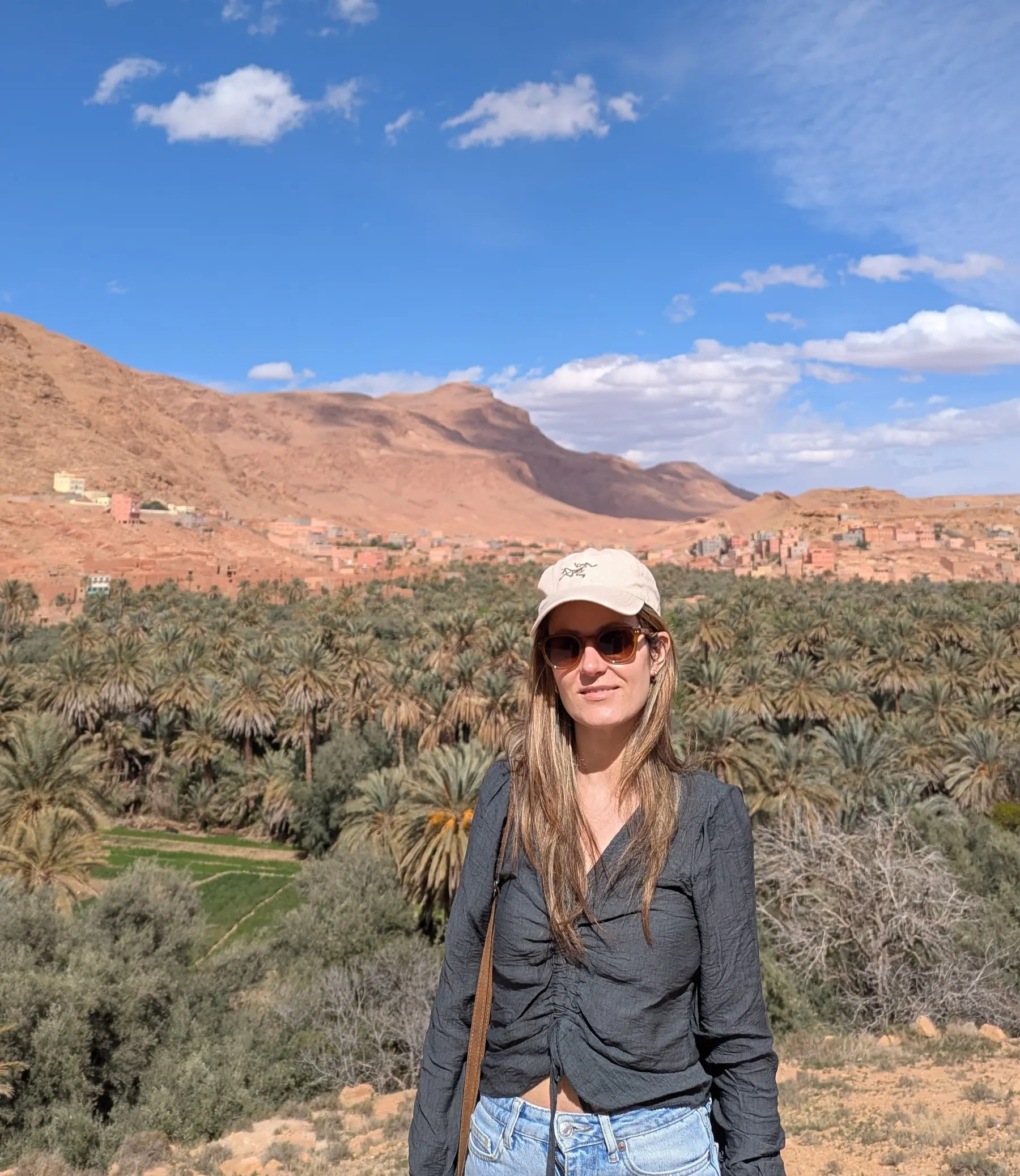
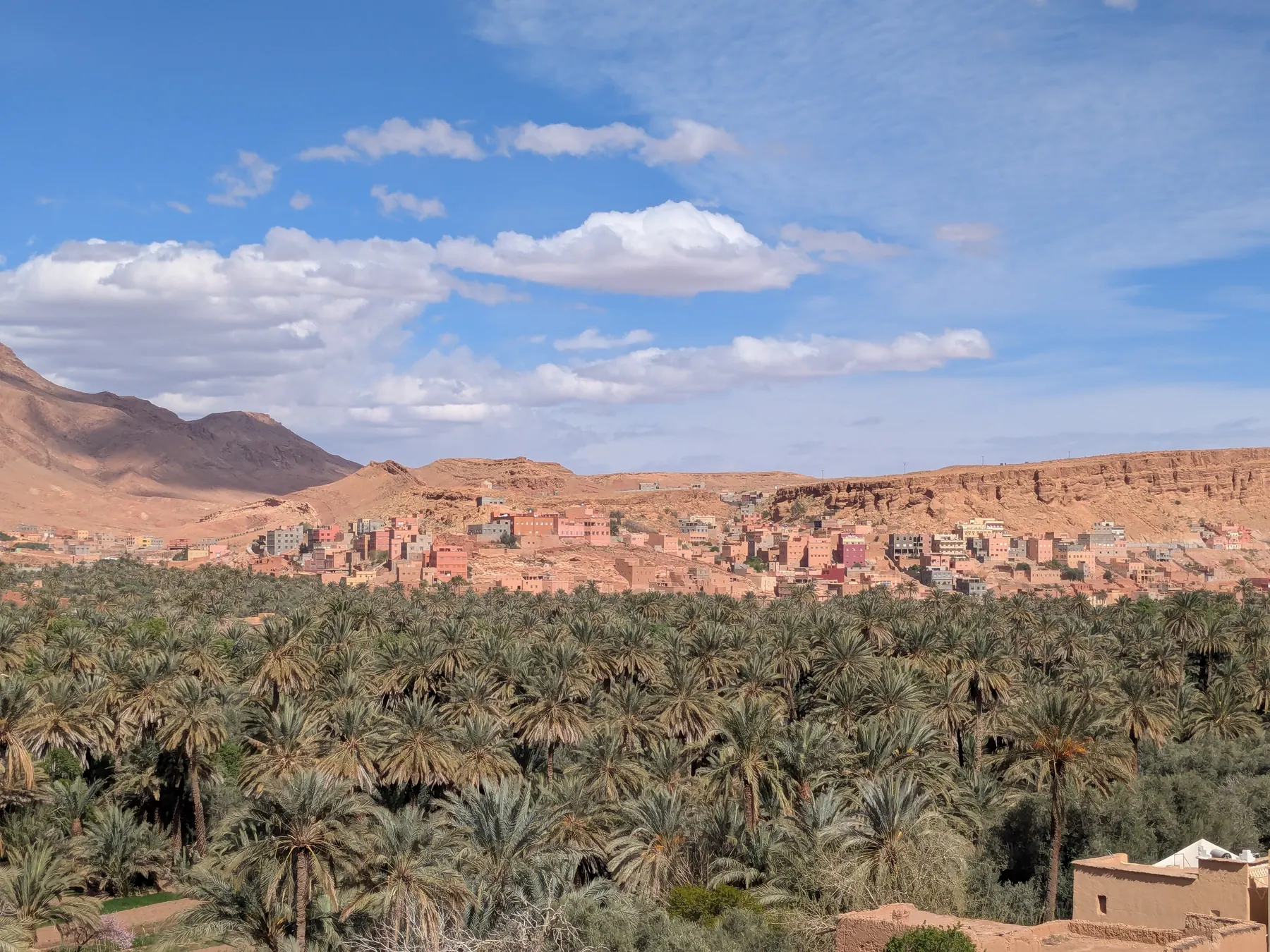
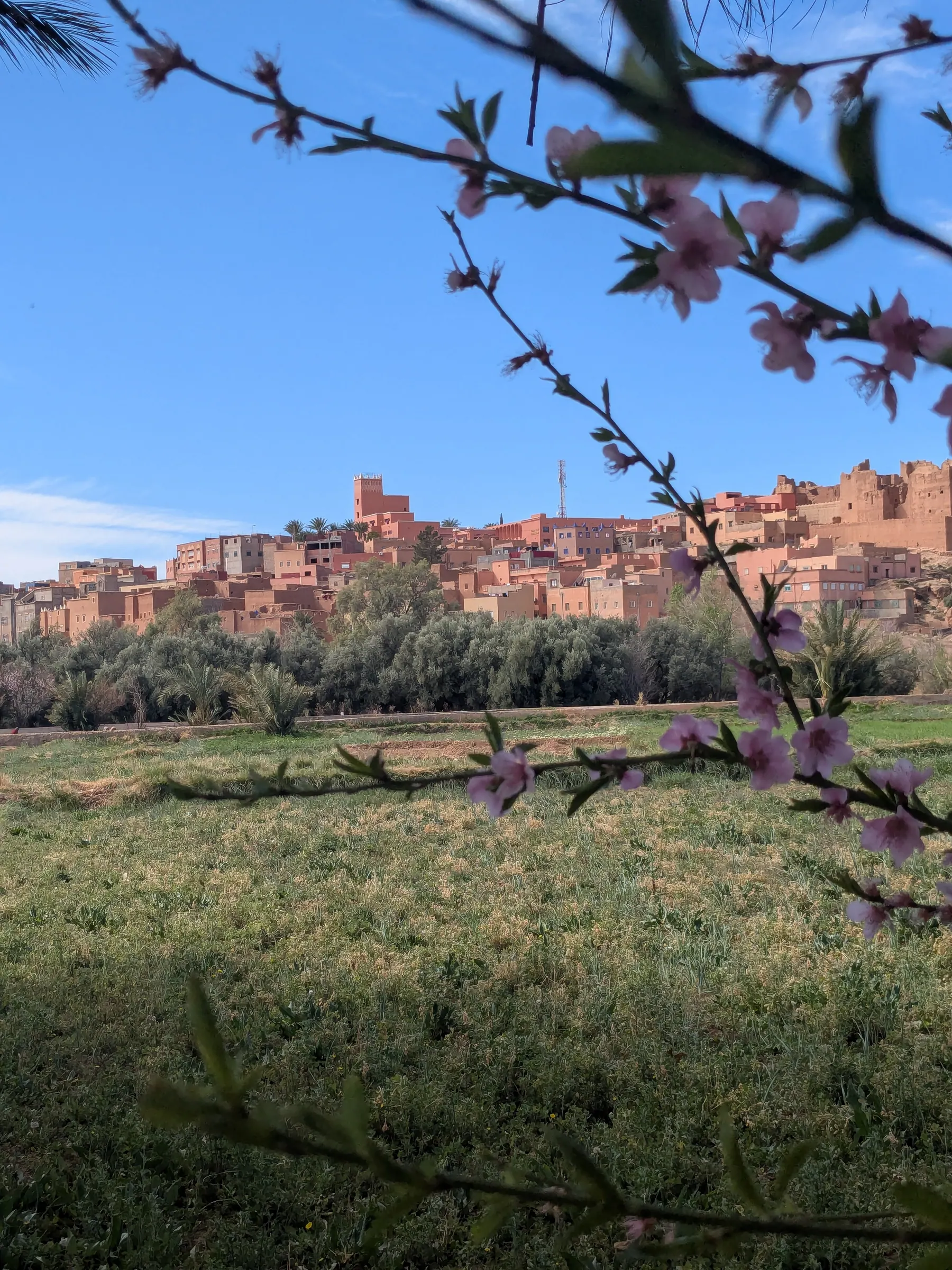
One of the places we passed through was Tinghir, and I wish we had had more time there. The whole area is surrounded by beautiful palm oases, with green valleys suddenly appearing between dry mountains and rocky desert landscapes. It was one of those places that made me want to get off the bus and stay longer.
The desert itself was beautiful, but it was also a crowded experience. Around 150 people shared the same tent area and the same camel experience. It was mass tourism at its most concentrated. If you are chasing an authentic Sahara moment, a standard group tour is unlikely to deliver it.
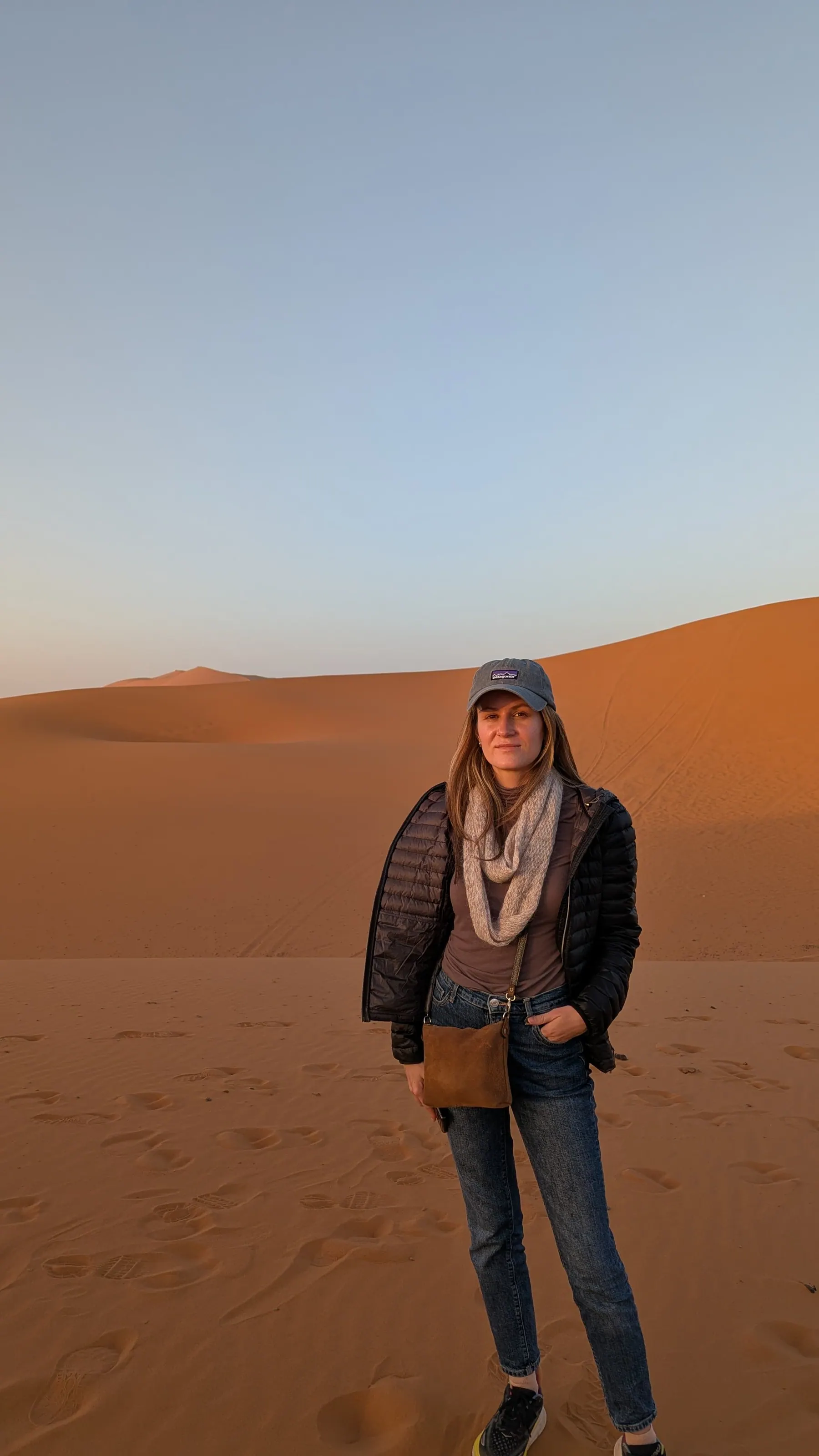
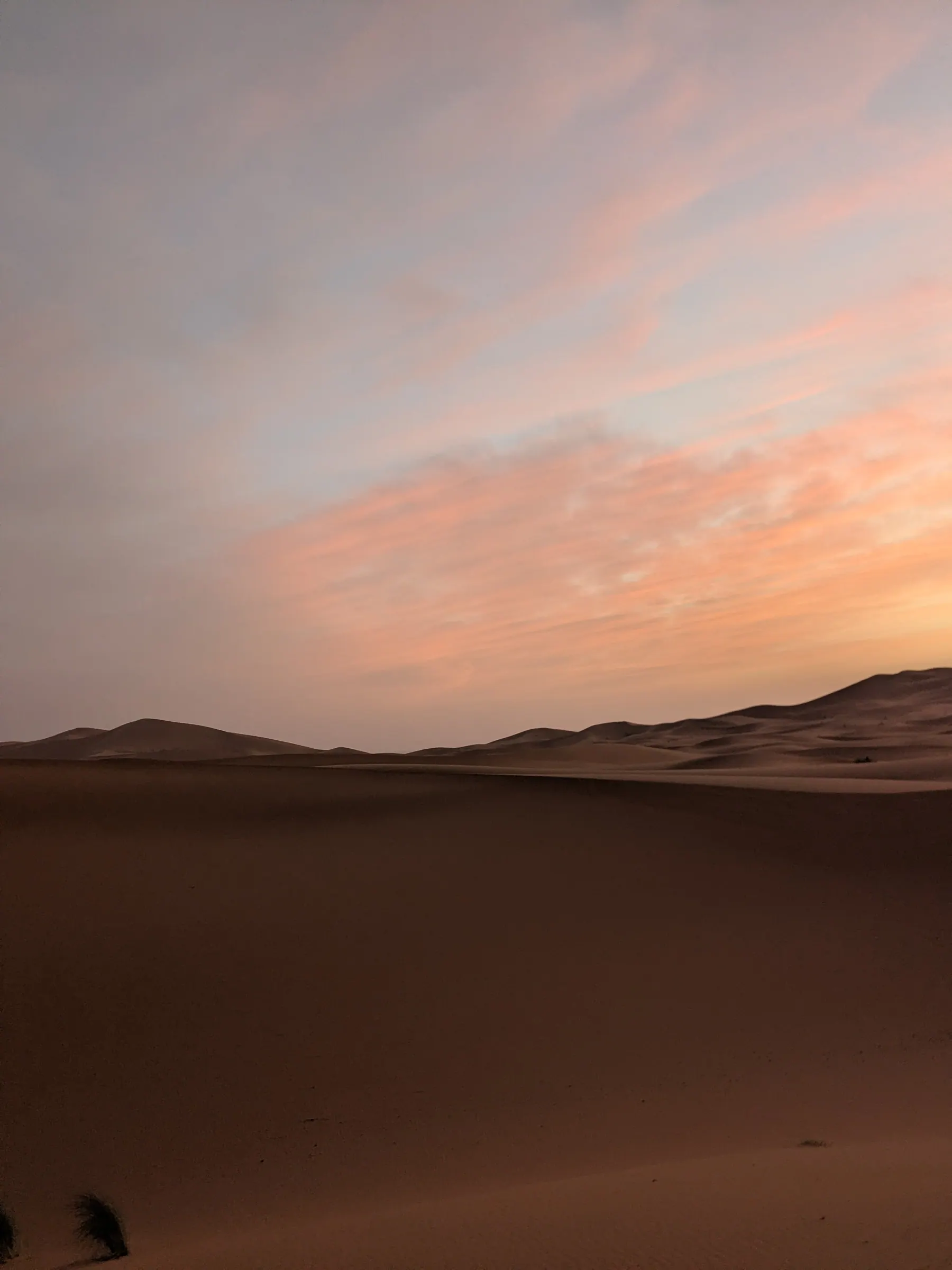
What I would do differently: research smaller, more independent desert tours with genuine flexibility. They exist, and they are worth finding. That said, safety always comes first. Whatever tour you choose, make sure it is run by a reputable and trustworthy operator. Read recent reviews carefully, check that transport and accommodation are clearly confirmed in advance, and avoid anything that feels vague or too cheap to be credible. The desert is remote; this is not the place to cut corners on who you trust.
That said, even a disappointing desert tour has moments. And the experience of being in the Sahara, however briefly and however crowded, is still the Sahara.
Best Time to Visit Morocco
I visited in mid-March and would recommend it without hesitation. Every day was sunny, and temperatures averaged around 17 degrees Celsius during the day: warm enough to enjoy fully, but not overwhelming. Evenings got chilly though, so a jacket and a good scarf are essential. Spring generally offers some of the most pleasant conditions for exploring Morocco’s medinas and landscapes without the intense summer heat.
Practical Tips Before You Go
Visa: EU and Schengen travelers do not need a visa for Morocco. You need your passport, and you are good to go.
Flights: From Spain, flights to Morocco are very affordable. We paid around 60 EUR per person return. From other European countries, prices may vary and could be higher, so it is worth checking and booking in advance.
SIM card: Buy one at the airport on arrival. We found one at the Orange desk in Fez airport. It was quick, easy and affordable. I highly recommend getting one immediately so you have maps and connectivity from the start.
Getting between cities: We used organised transfers and tours booked through provider apps like GetYourGuide for intercity transport. It is not always the most authentic option, but it is practical, reliable and cheap.
Accommodation: We booked everything through Booking.com, which had plenty of options. We stayed in riad-style accommodation in the medina areas of each city. I highly recommend this because it puts you right in the heart of everything and within walking distance of the main sights. Quality was good overall.
Language: Arabic and Amazigh are Morocco’s official languages, while French is widely spoken in daily life and tourism. Do not assume communication will always be seamless, though; my French did not always align perfectly with theirs. English is also spoken in tourist areas, but a language barrier is possible. Be patient and keep communication simple.
Food: Expect a lot of couscous, chickpeas, lentils and incredibly varied flavours built around slow-cooked spices. Tagine is everywhere and genuinely delicious, even if you are not an onion fan. And mint tea is non-negotiable. It is served everywhere and is part of the whole Moroccan experience.
Safety: Morocco’s medinas can be genuinely confusing and overwhelming, especially after dark. I would not recommend wandering unfamiliar streets late at night, particularly in areas you do not know yet. Stick to well-lit areas in the evenings and trust your instincts.
Dress code: Morocco is a Muslim-majority country, and dressing conservatively is both respectful and practical. Cover shoulders and knees, especially when visiting mosques, medinas and local markets. You will feel more comfortable and attract less unwanted attention.
Cash is king: Card payments often come with added commission, sometimes even in hotels. Withdraw cash and keep it handy throughout the trip.
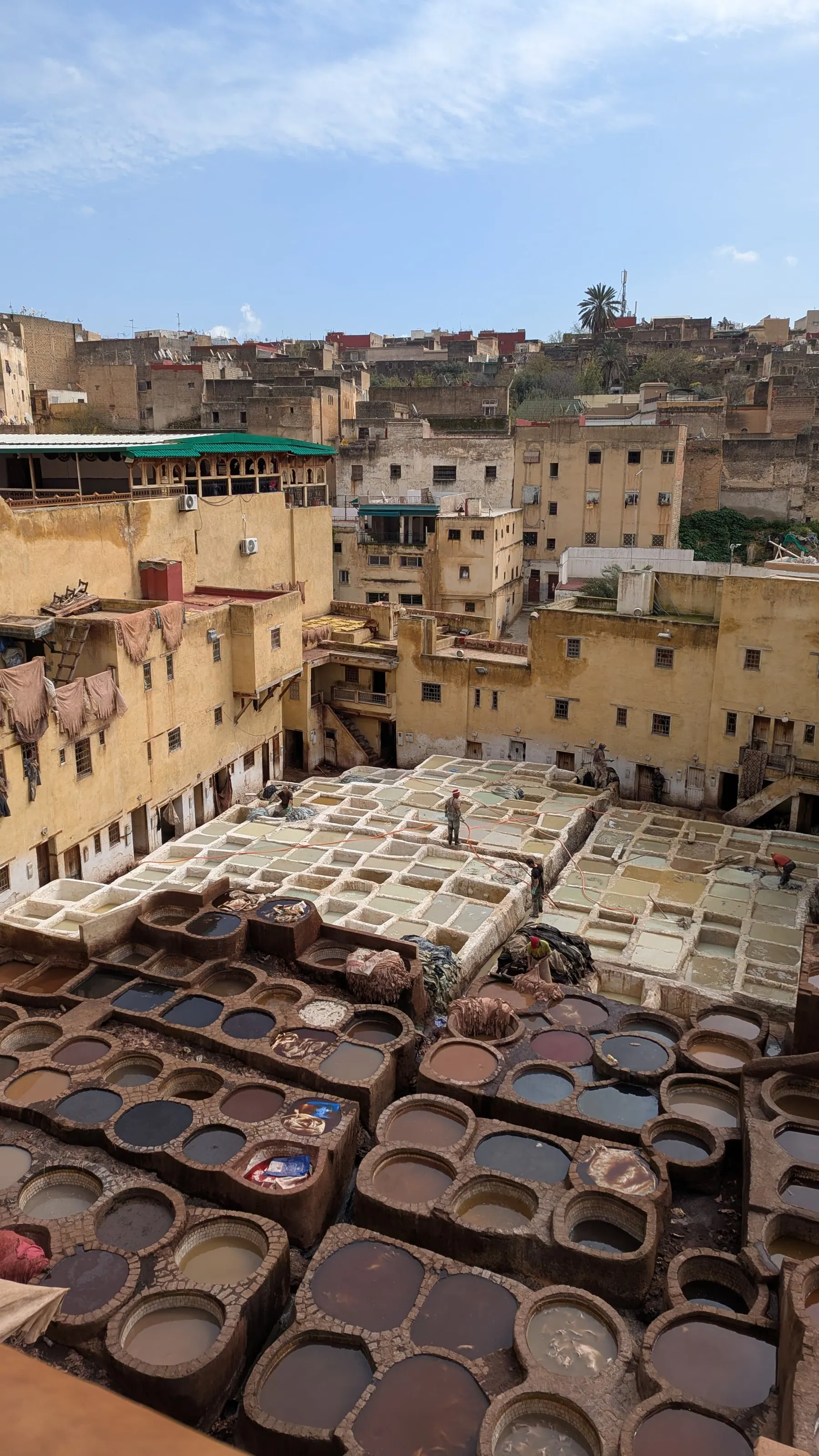
Fez: the undisputed highlight of the trip. Authentic, raw, genuinely unlike anywhere else. If you go to Morocco, Fez is non-negotiable.
Marrakech: more commercialised than Fez and busier with tourists, but worth visiting for its outstanding cultural heritage. Madrasa Ben Youssef alone justifies the stop.
Essaouira: our spontaneous last stop that turned from one day into two. The ocean breeze, the port buzzing with fishermen, the hidden garden, the art galleries. A perfect way to end a Morocco trip.
What I Would Change
- Less time in Marrakech. Two days felt slightly long given how tourist-heavy it was, though that may have been personal experience.
- Skip the standard desert group tour. Invest in something smaller, more independent and trustworthy if you are looking for something authentic and less rushed.
- Add Chefchaouen if time allows. It did not make our itinerary, but northern Morocco deserves its own trip.
Would I Recommend Morocco?
Absolutely, but go with realistic expectations.
Morocco is chaotic, colourful, overwhelming and completely fascinating. People will try to sell you things constantly, the medinas are genuine labyrinths, and nothing always runs on time. If you embrace that rather than fight it, you will have an extraordinary trip.
It is not a destination for travelers who want everything smooth and predictable. But for those who travel with curiosity and patience, Morocco rewards you generously.
Would I go back? Possibly, but there are so many other places calling first. Morocco will wait.
Planning a Morocco trip? Drop your questions in the comments. Happy to help.