
Essaouira · Marrakech-Safi · Morocco
Essaouira: The Moroccan Coastal Gem That Stole Two Days From Us
Verdict I came for one day. The ocean had other plans.
A personal Essaouira travel guide from Marrakech, with the medina, port, beach winds, argan oil, hidden gardens, galleries and practical tips.
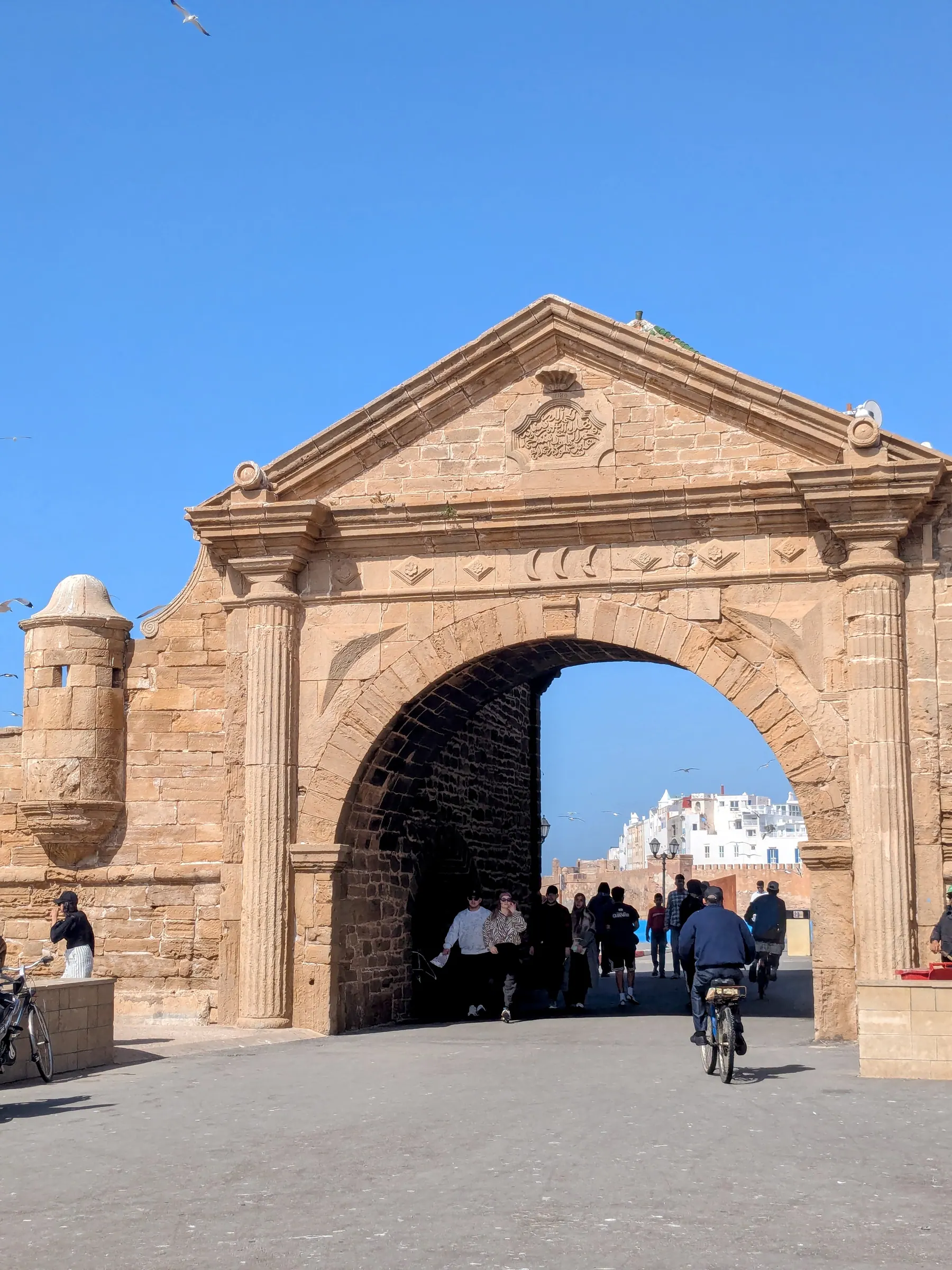
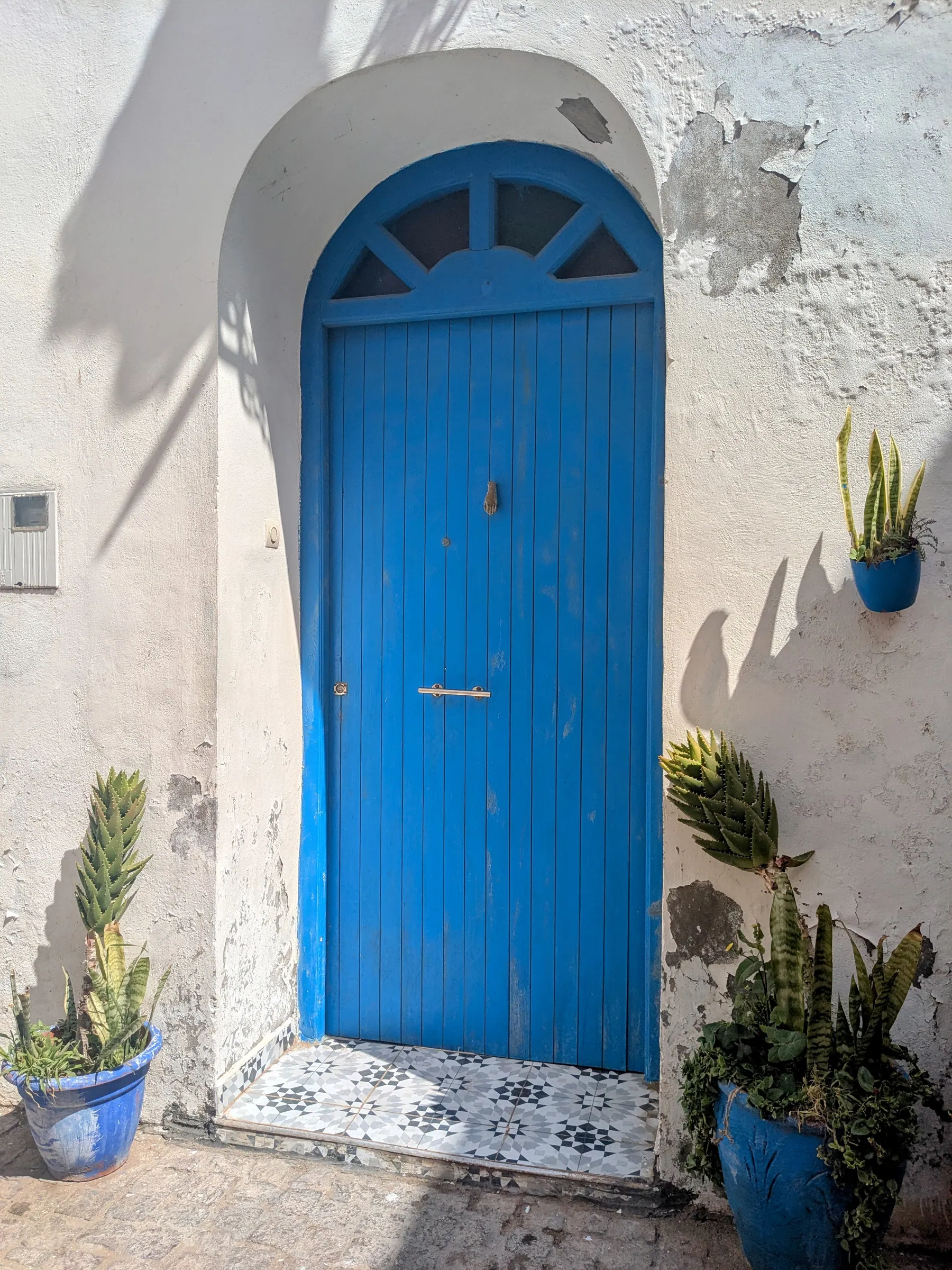
I came to Essaouira for one day. The ocean had other plans. What was supposed to be a day trip from Marrakech turned into two days. Essaouira has that effect on people.
Originally we were torn between Essaouira and Agadir. The choice was easy once we read that Essaouira had character and charm while Agadir was more of a large summer beach resort. Essaouira it was, though entirely unplanned, unbooked and wonderfully improvised.
For the transfer we booked a day trip from Marrakech through providers like GetYourGuide. Local buses were not actually a better option in terms of price or duration. One useful tip: since we stayed an extra night, we could not use the included return bus the next day. The workaround? We booked a second identical trip just to use the return journey. Both bookings combined cost around 18 EUR in total, which felt very reasonable.
One thing we were hoping to spot on the drive there: goats. Yes, goats. Essaouira’s surrounding region is famous for argan trees, and the local goats have developed a remarkable habit of climbing them to reach the fruit and seeds. Nature’s strangest sight. We did not spot any on our drive though; apparently it is seasonal. Another reason to go back.
Arriving in Essaouira: A Different Kind of Morocco
Stepping off the transfer, the first thing that hit us was the ocean breeze. Fresh, salty, immediate. After the intensity of Marrakech, it felt like exhaling.
Walking into the old town, the architecture immediately caught my eye: white buildings with blue elements, blue doors and window frames everywhere, artsy boutiques, galleries, and souvenir shops lining the narrow streets. For a moment it reminded me of the south of France. Charming, photogenic, slightly bohemian. Even the cats were chilling out.
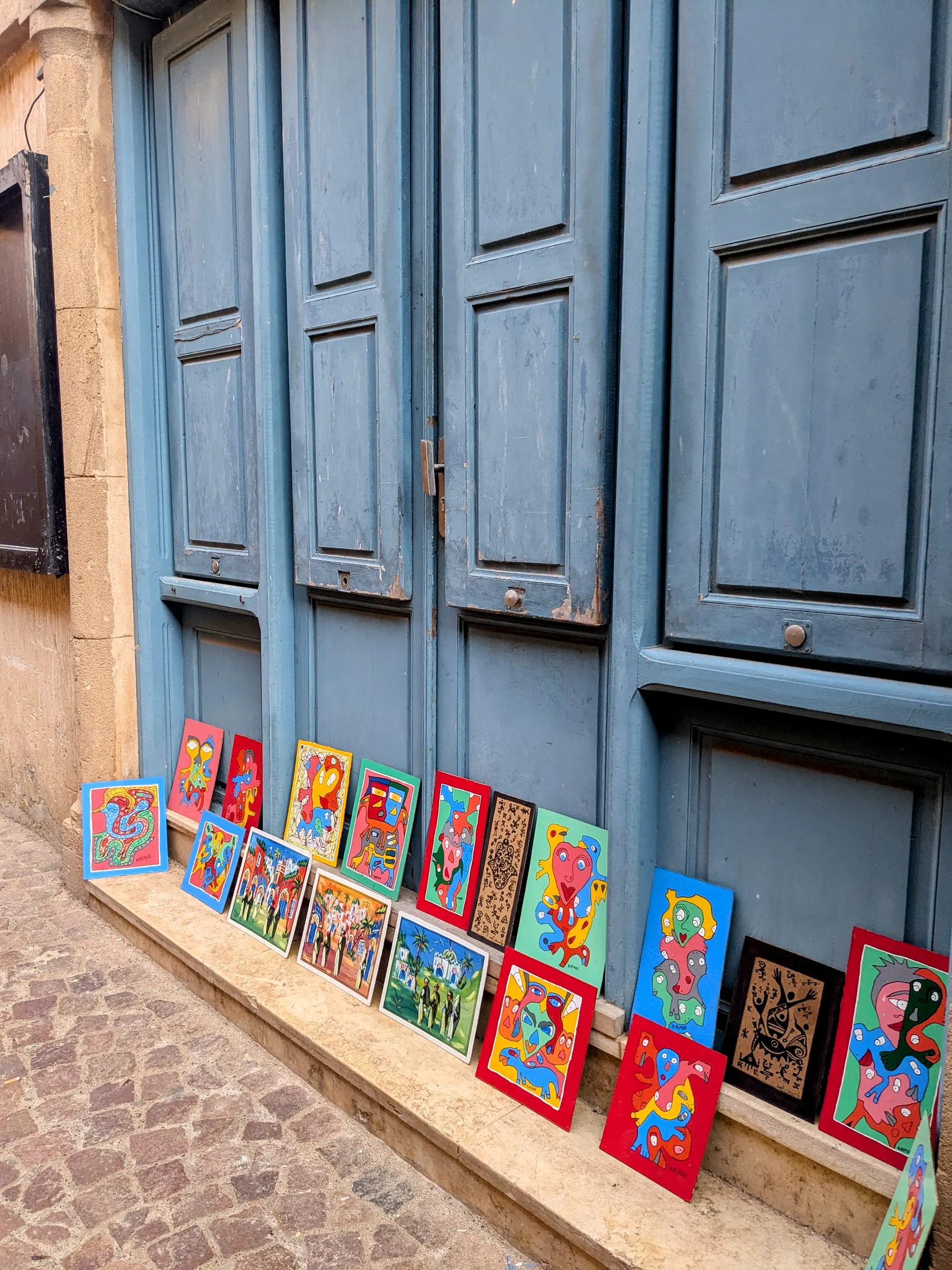
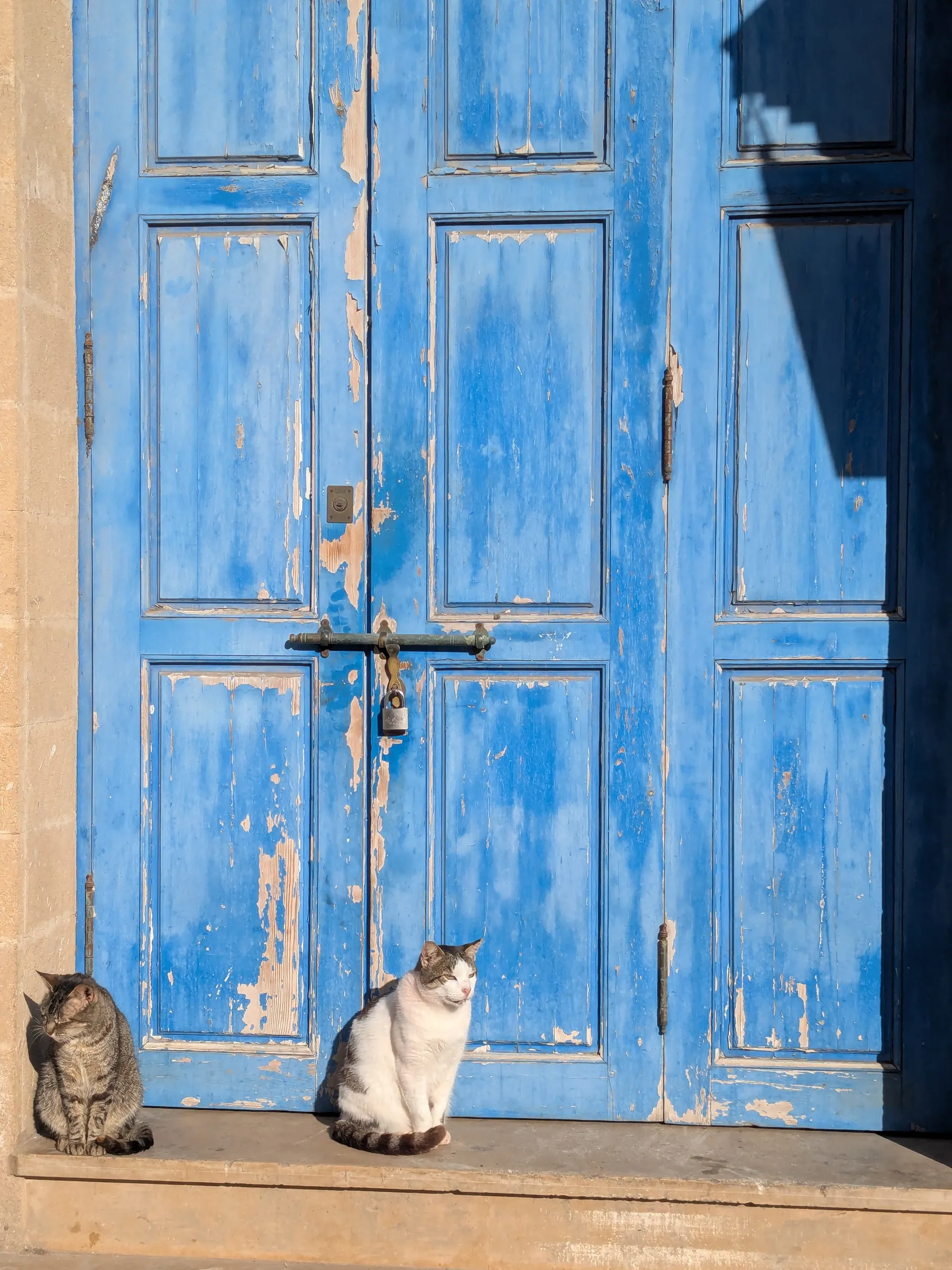
That South of France feeling actually makes more sense once you know the history. During the early 20th century Morocco was under French protectorate, which left a lasting cultural and architectural mark on Essaouira. French is still widely spoken by locals today, and you notice it on signs, menus and in everyday conversations throughout the city. That bohemian feeling has deep roots too. In the 1960s and 70s, Essaouira attracted a counter-culture crowd from Europe and America, drawn by its relaxed, free-spirited atmosphere. That artistic soul clearly never left. You can still feel it in every gallery, street corner and creative space in the city today. The entire medina is a UNESCO World Heritage Site, and walking through it you immediately understand why.
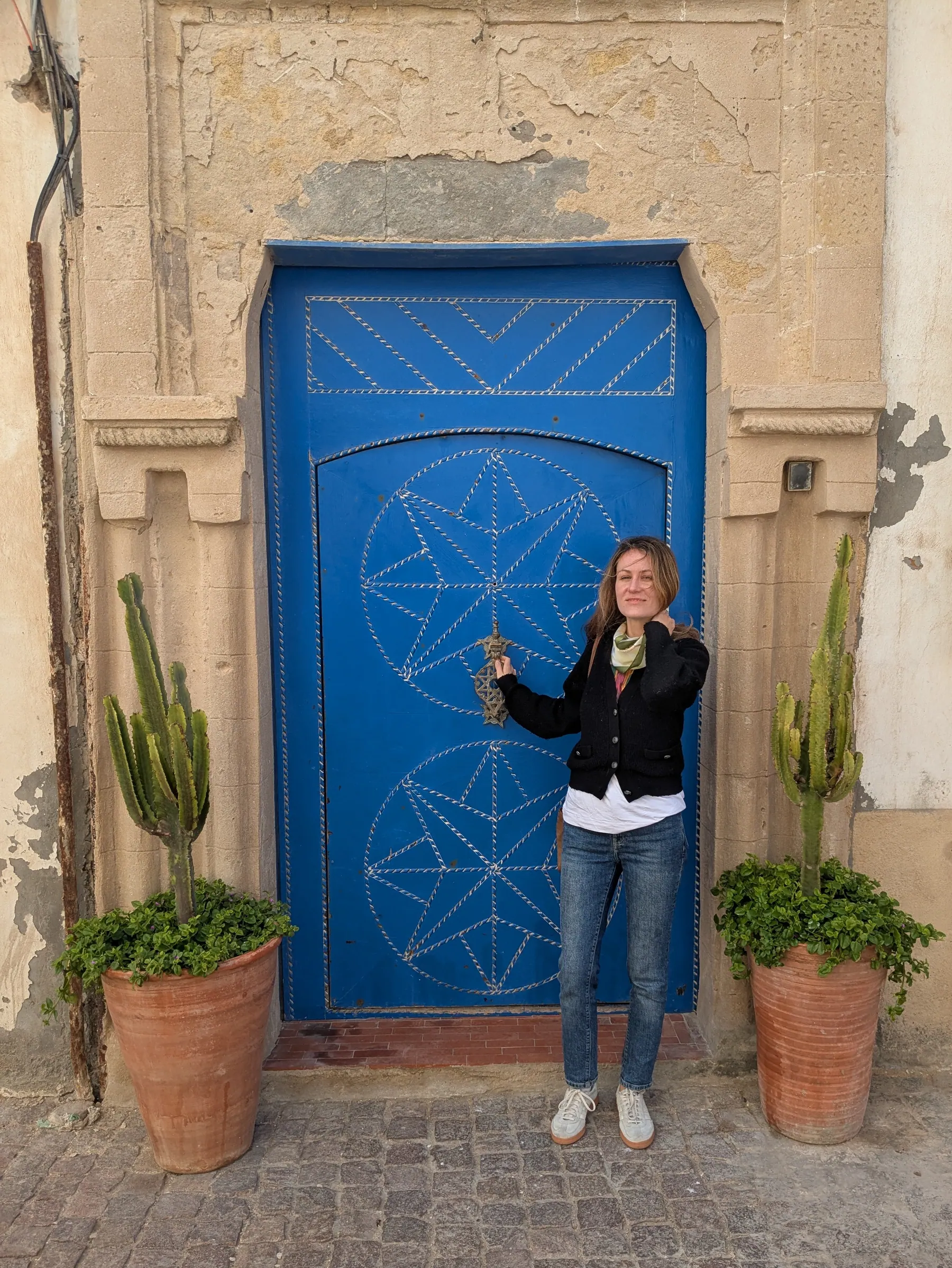
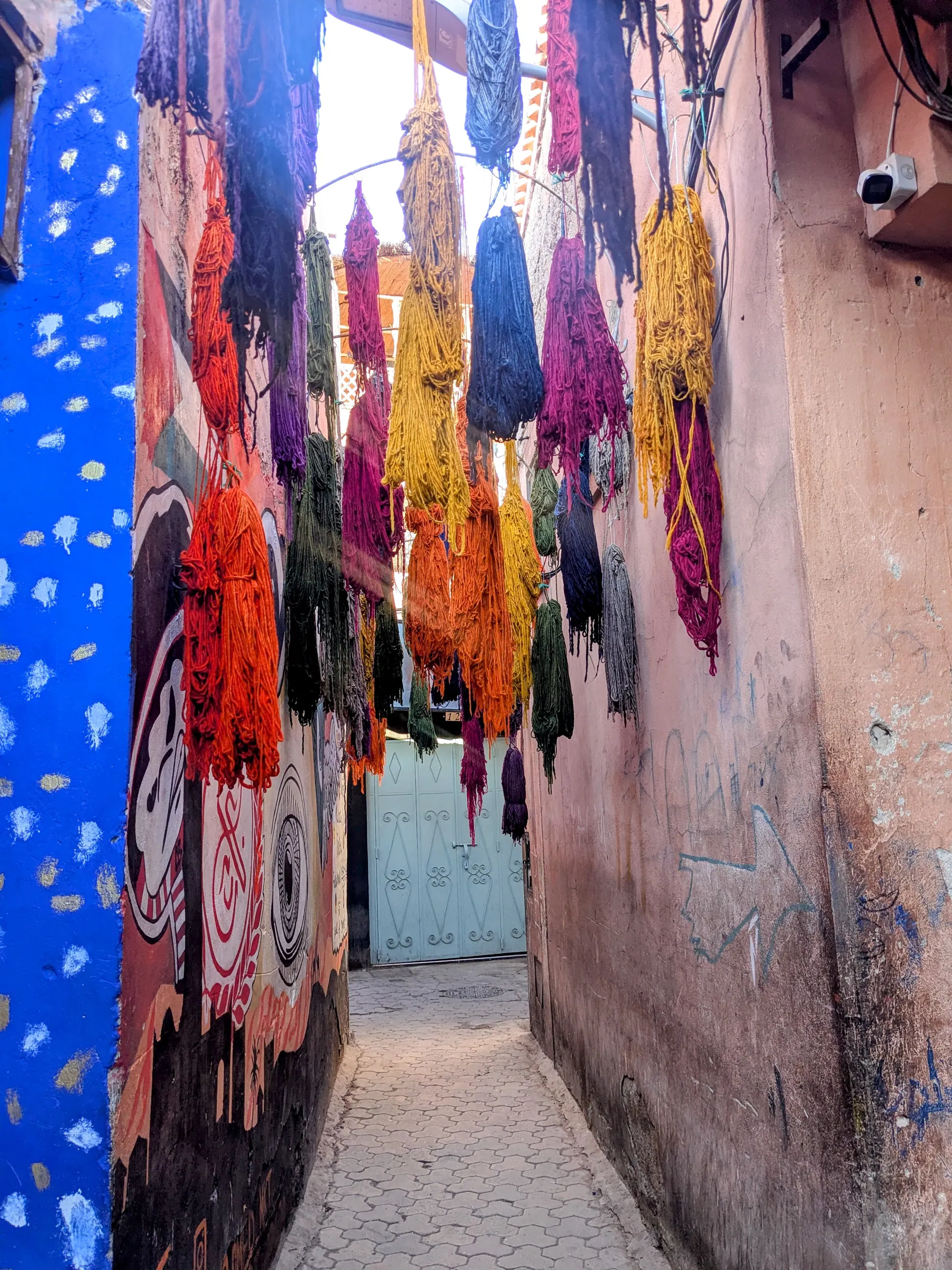
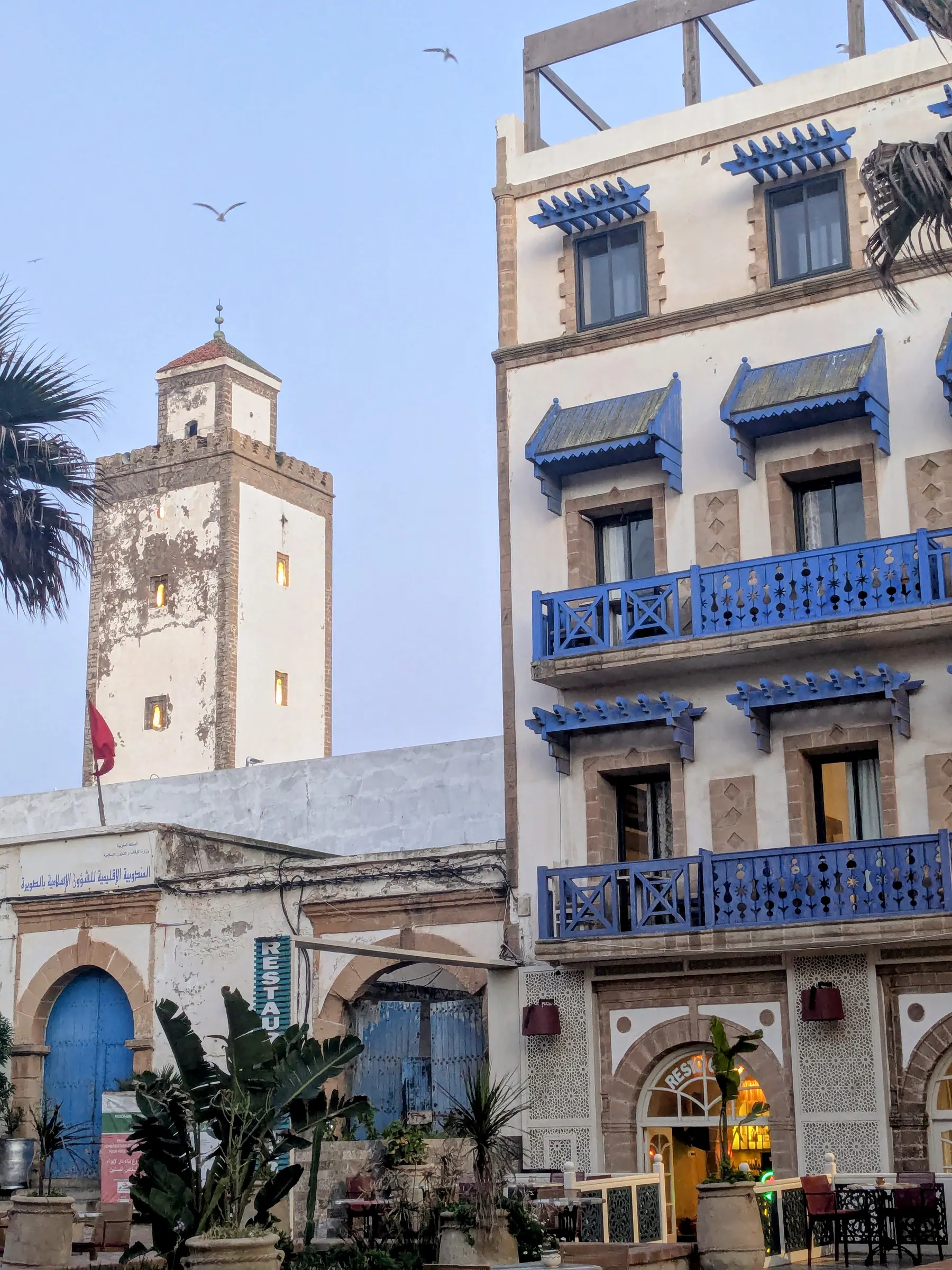
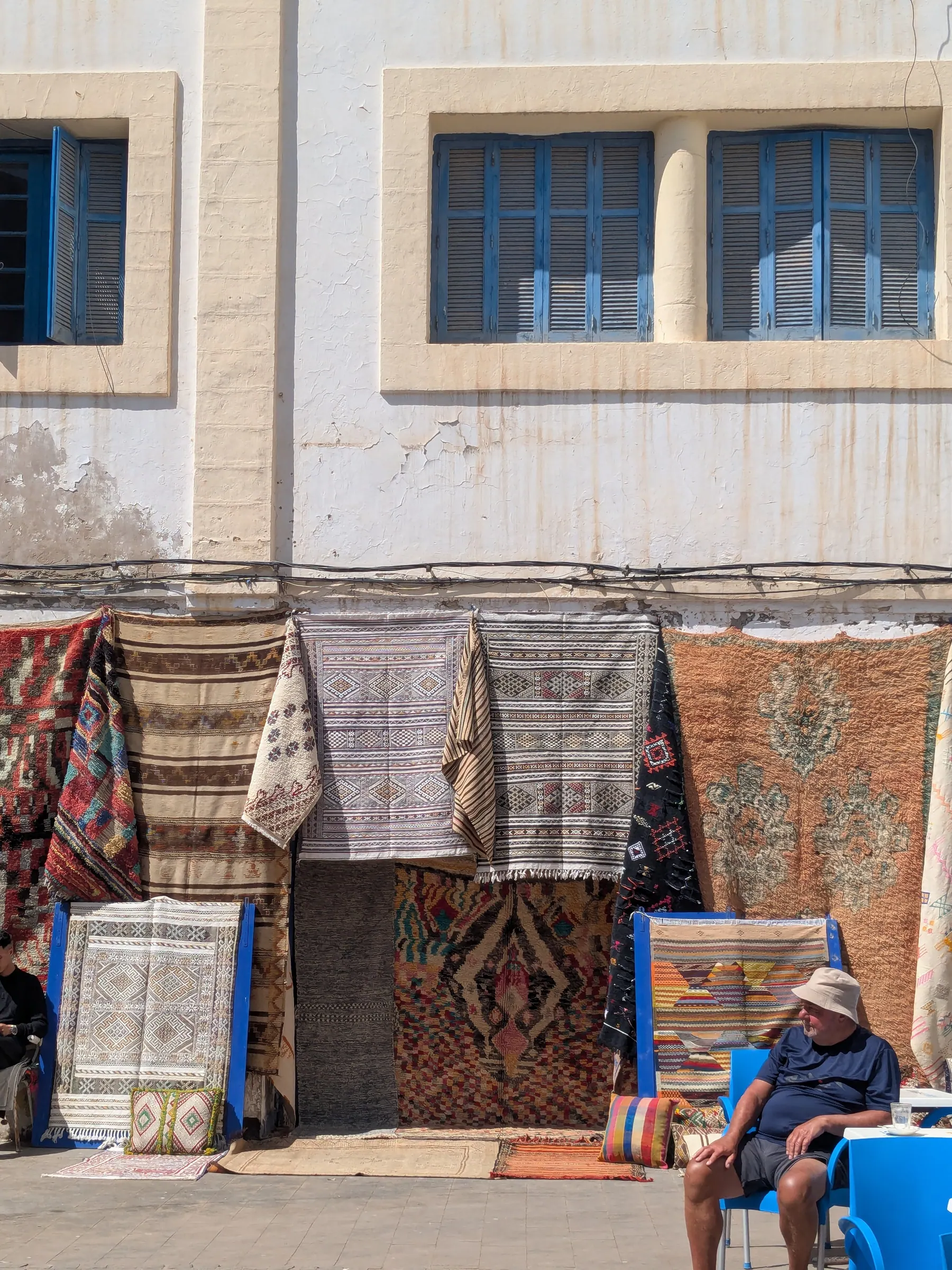
But we were hungry first. And after days of tagine, couscous and Moroccan flavours, as much as we loved them, our stomachs were quietly requesting something different. We found Silvestro, an Italian restaurant tucked inside the medina, and sat down for pizza. In Morocco. Zero regrets.
Over lunch we also sorted our accommodation, entirely spontaneously, as this whole trip had been. We found a small but well rated hotel right in the city centre, next to the main square. Improvised travel at its finest.
The Port: Where Essaouira Gets Real
After lunch we wandered toward the port area and suddenly the postcard version of Essaouira disappeared completely. What replaced it was something far more interesting.
The port was buzzing: fishermen unloading boats, locals bargaining over fresh catch, goods being hauled across the docks, the smell of the sea mixing with fresh fish. This was the real heartbeat of the city. No souvenir shops, just Essaouira going about its daily business completely indifferent to visitors.
Worth knowing: this port is one of the oldest in Morocco, sitting at the crossroads of two distinct cultures, the Haha Berbers and the Arab Chiadma, giving the city a uniquely rich cultural mix that you feel even in a short visit.
We slowed down and watched for a while. These are the moments you travel for.
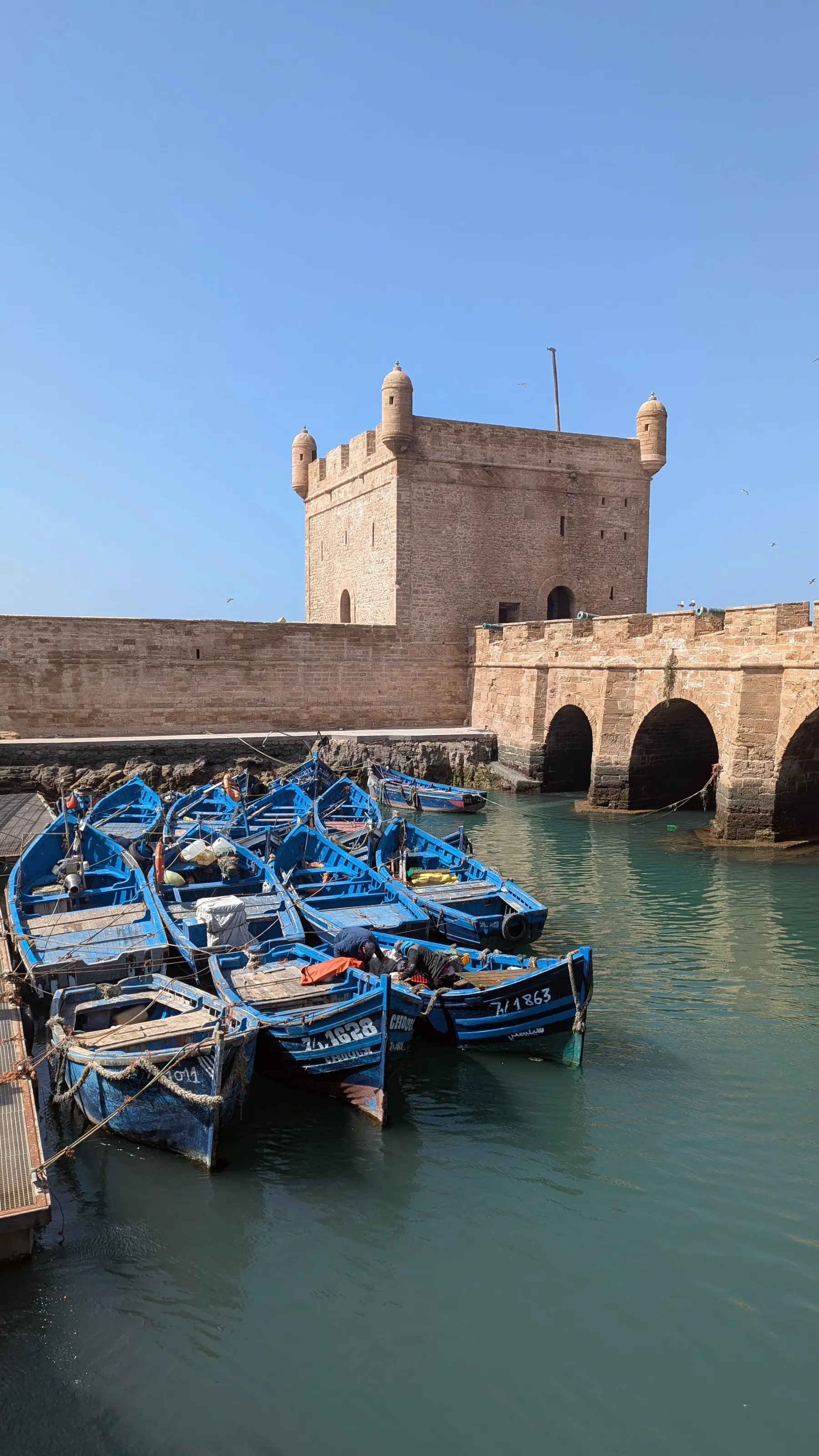
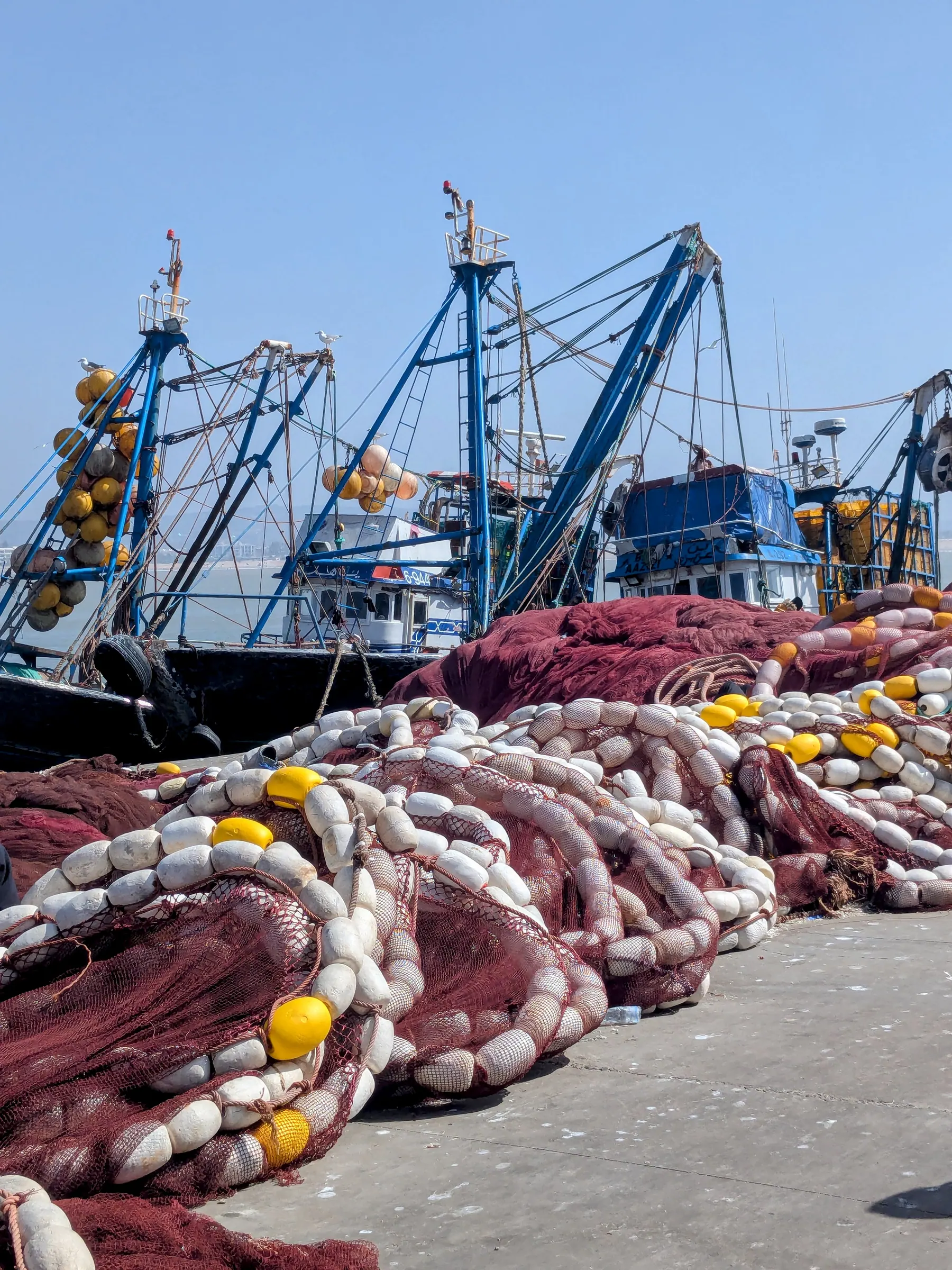
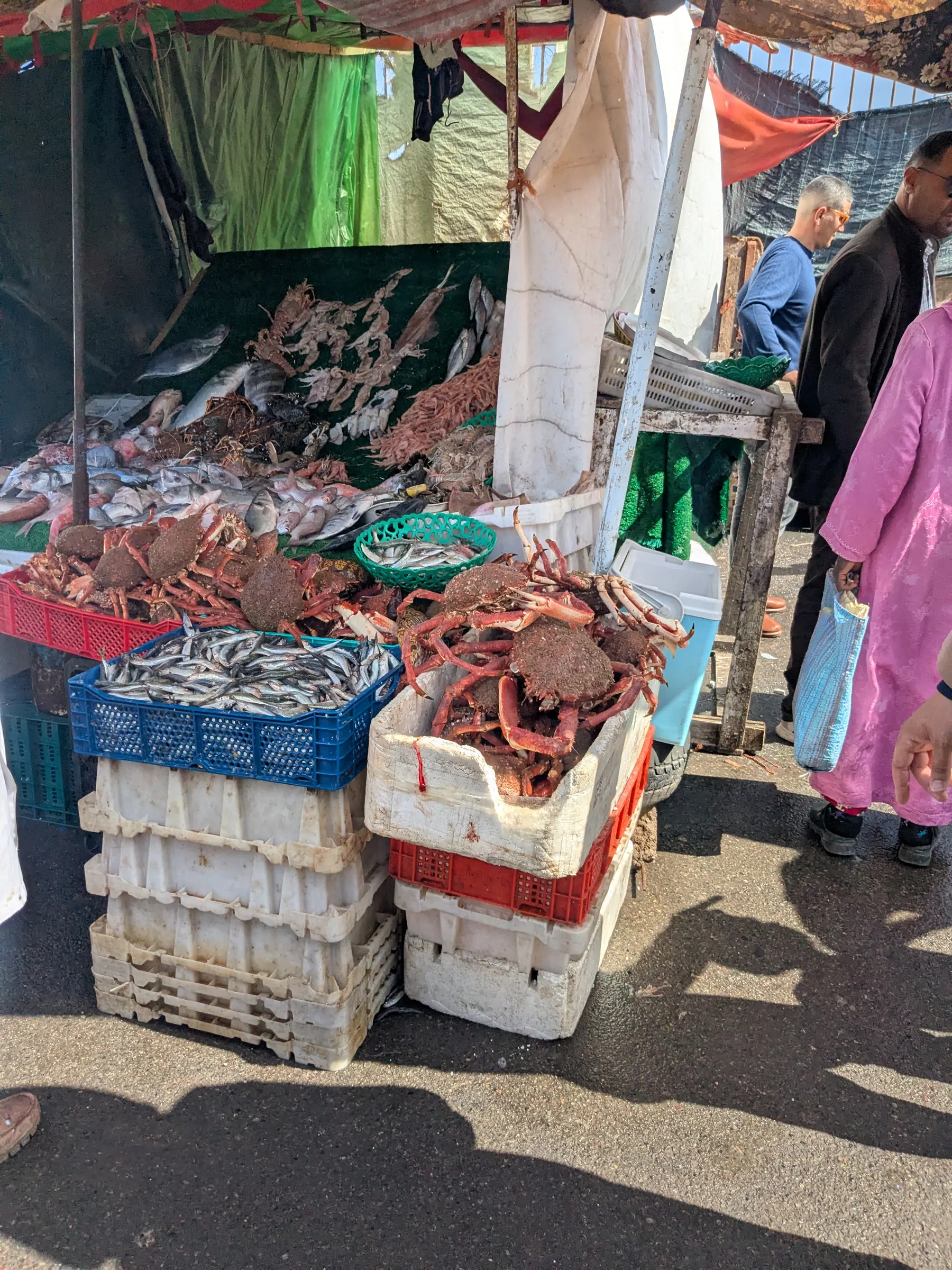
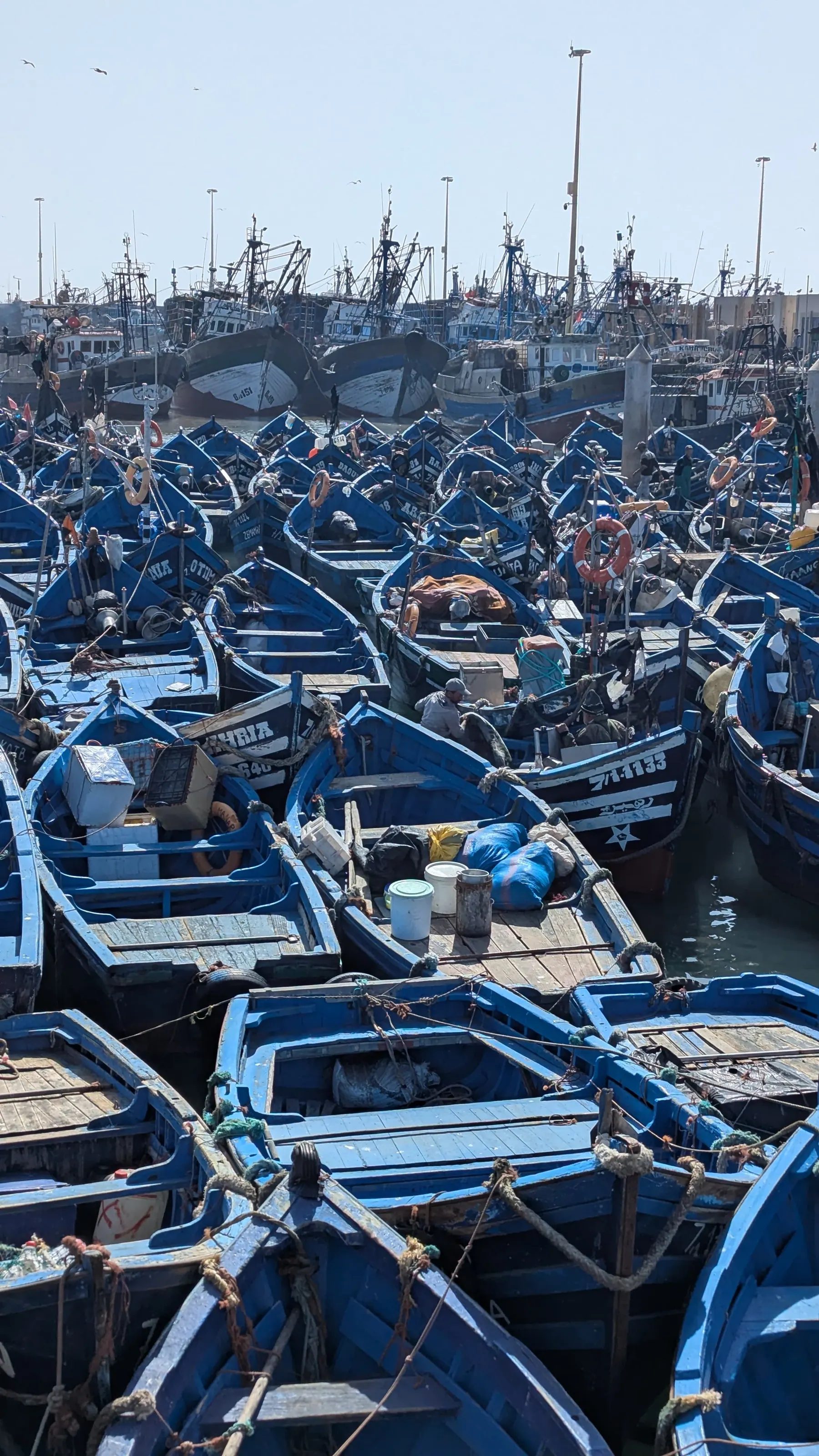
Essaouira's working port
From the port we continued toward the beach. It was March and the wind was something else: strong, constant, the kind that makes swimming completely unthinkable. This actually makes total sense once you learn that Essaouira is nicknamed the “Wind City of Africa,” thanks to the Atlantic trade winds that sweep inland constantly. Walking along the beach we spotted several surf schools further down the coast. In warmer months this stretch must be spectacular for watersports.
The Argan Oil Quest
On our way back through the old town we had a mission: find real argan oil. Essaouira is one of the best places in Morocco to buy it, but as with everything, there are authentic sources and tourist trap versions.
My hair is thick and coarse and I had been hoping to find genuine argan oil to tame it. The challenge is knowing what is real. We were told to feel it, smell it and check the colour. Real argan oil has a distinctive nutty smell, a golden tone and absorbs quickly without leaving greasiness.
Armed with this knowledge, we avoided the obvious tourist shops and found a small local store away from the main streets. The price was good, the smell seemed right. I bought it.
Was it real argan oil? Honestly I am still not entirely sure. But it was a fun quest regardless, and my hair has no complaints.
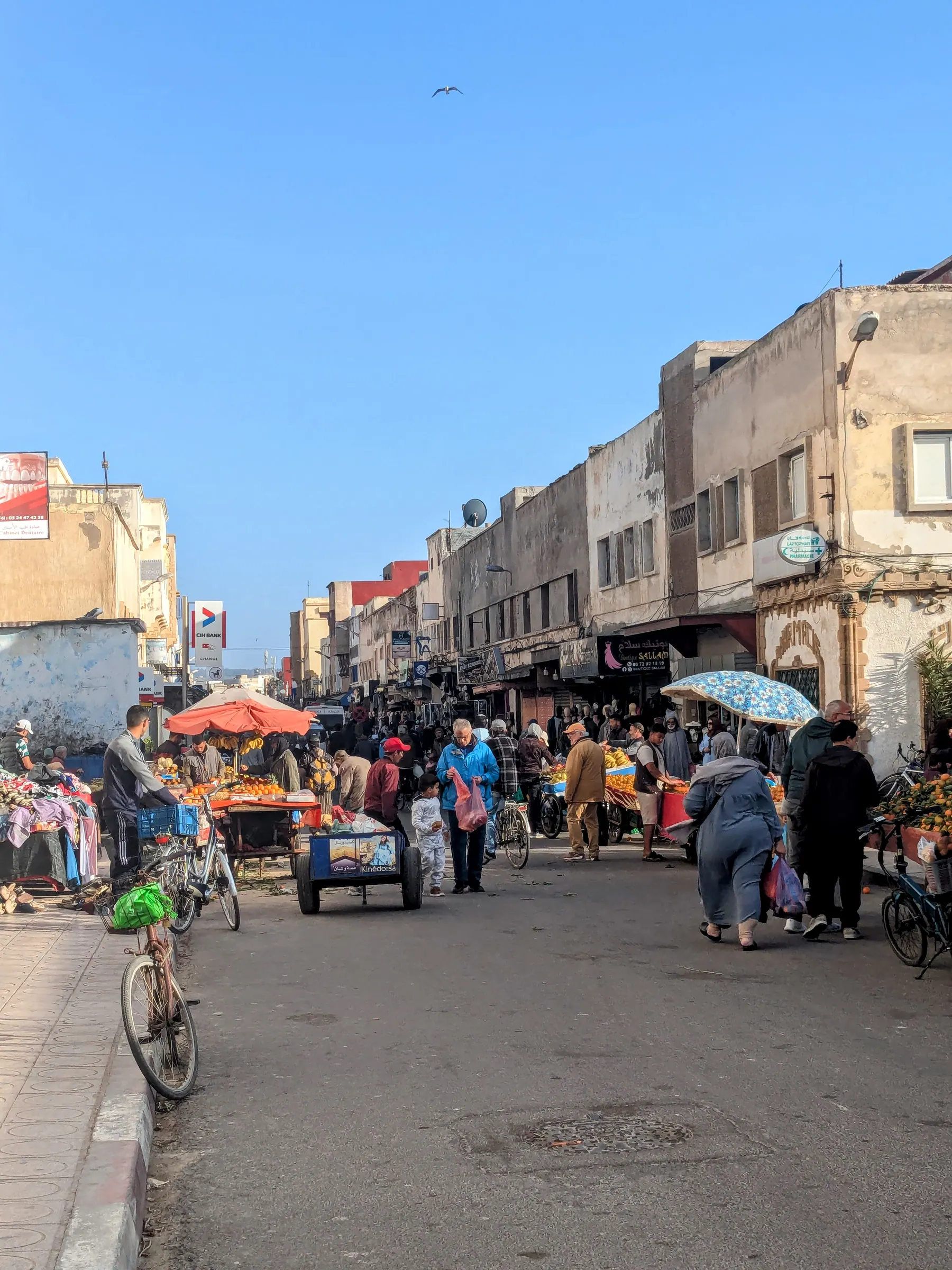
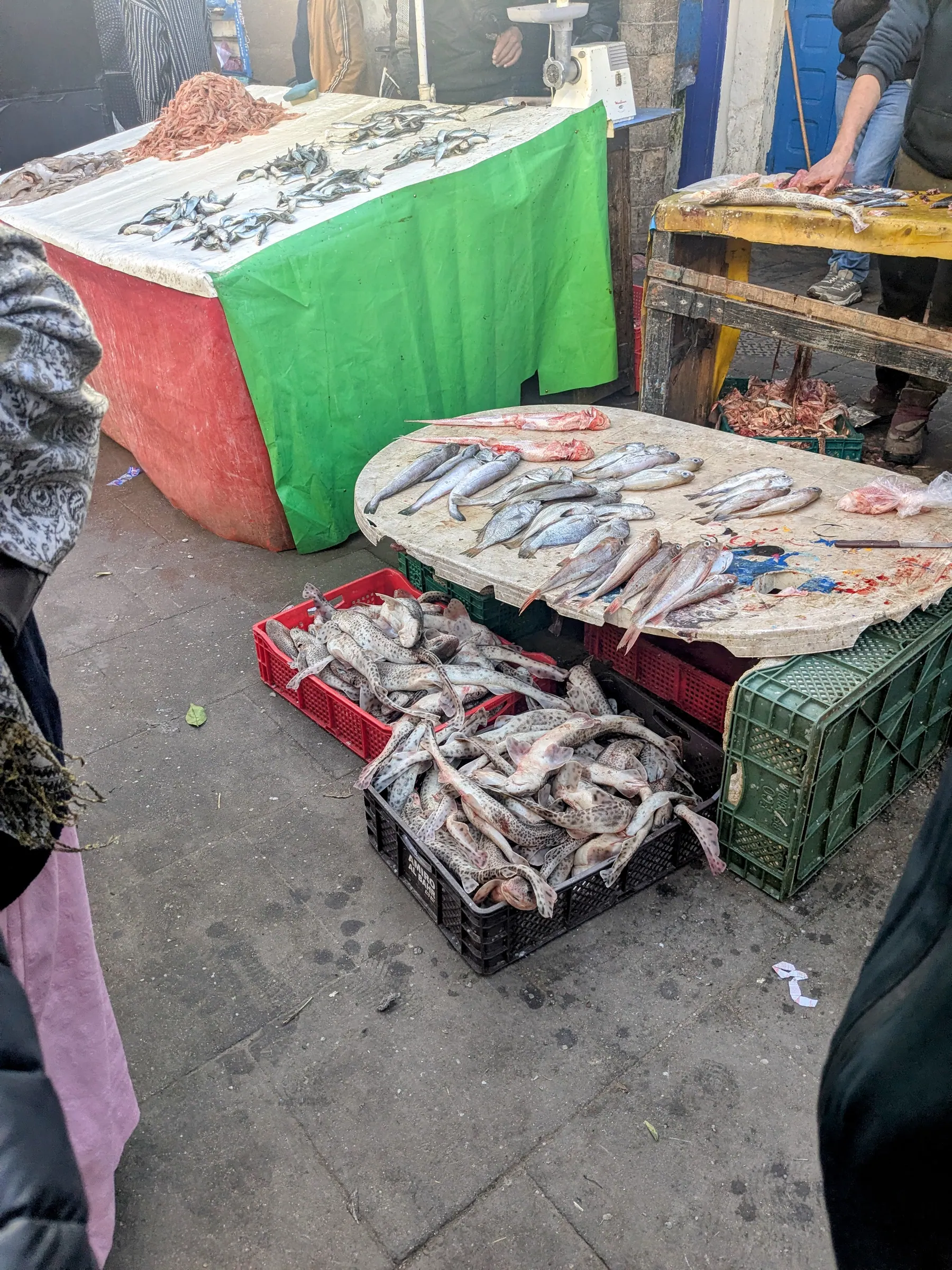
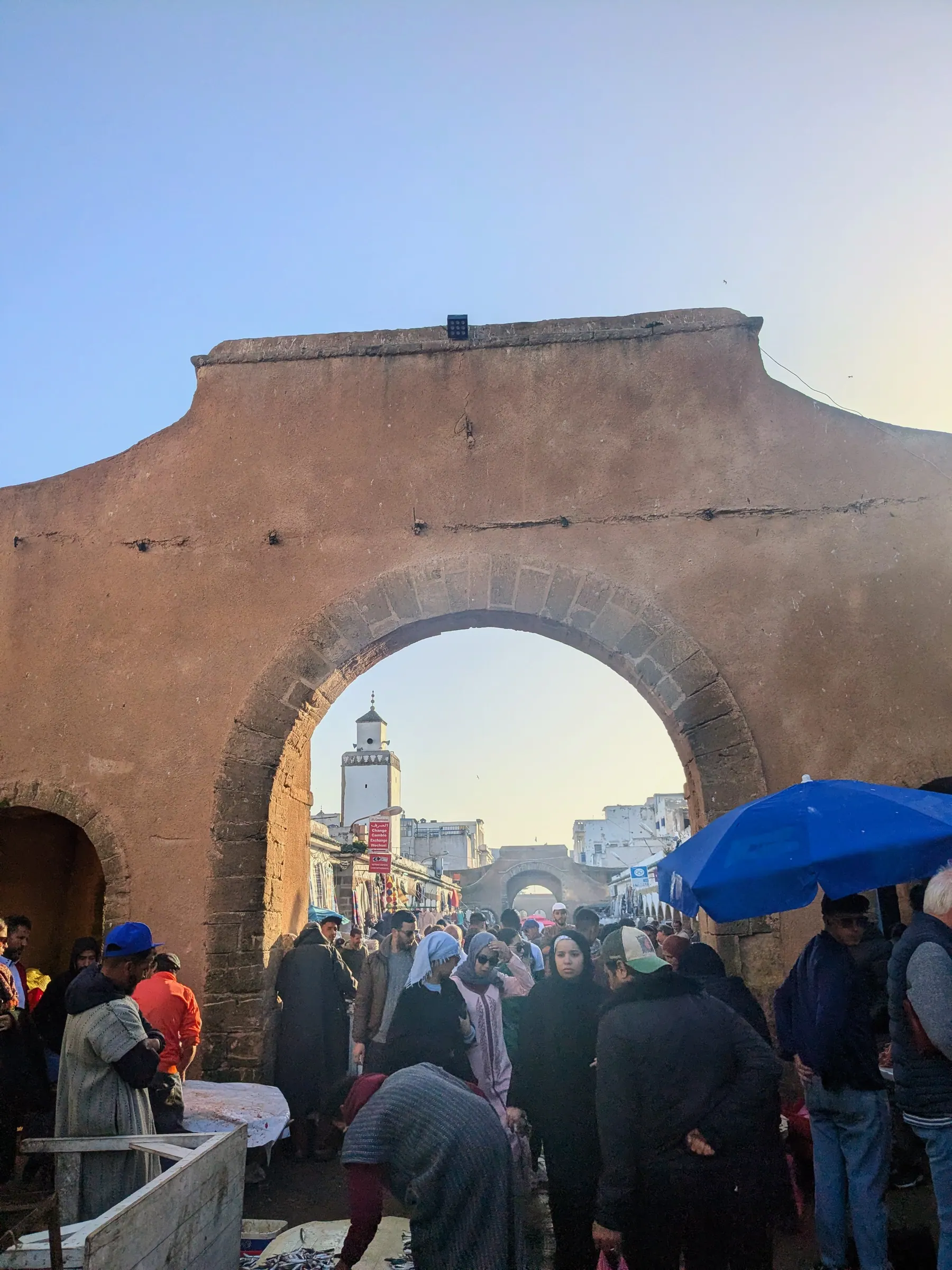
We crossed through Avenue de l’Istiqlal on the way back to the hotel, one of the busiest marketplace streets in Essaouira, colourful, chaotic and wonderful. Local foods of all kinds were on display, a feast for the eyes. Though not everything was so appetising: we spotted small sharks being sold openly, which was surprising and concerning given that several shark species are actually protected and their sale is prohibited. A reminder that authentic travel sometimes means witnessing uncomfortable realities too.
Dinner at Restaurant Sayef
For dinner we found Restaurant Sayef, a seafood restaurant located down a street that dips like a valley.
I started with lobster soup, which was genuinely good. For the main I chose sardines with grilled vegetables: simple, fresh, local. Overall, a solid and authentic dining experience.
Day Two: Early Mornings and Hidden Gardens
Our second day began early. We headed to Skala de la Ville, the old sea bastion with cannons overlooking the Atlantic, at around 8am, before the day properly started. Game of Thrones fans will recognise it immediately. Essaouira served as Astapor, home of the Unsullied, and those same ancient walls and cannons appeared on screen watched by millions worldwide.
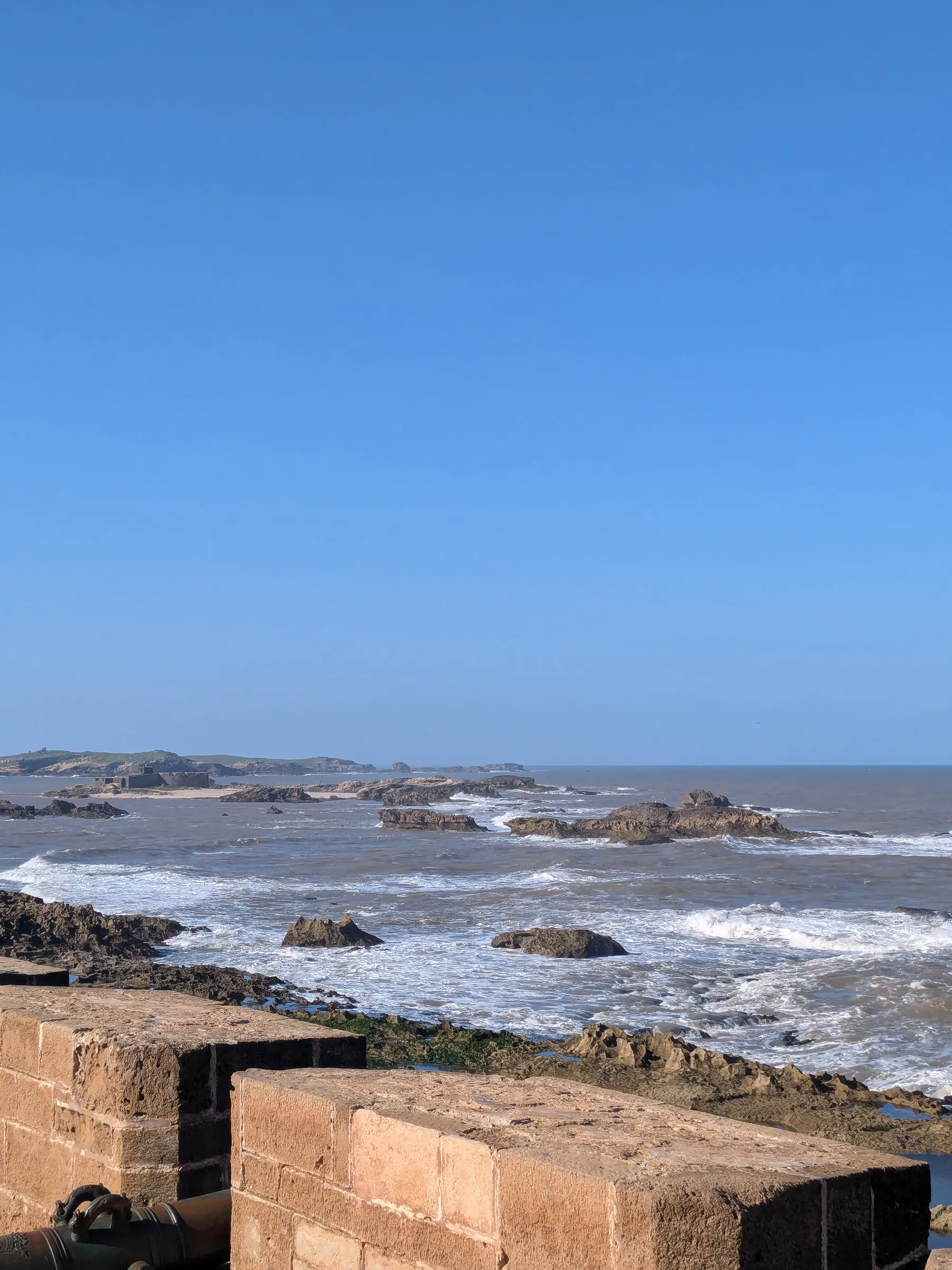
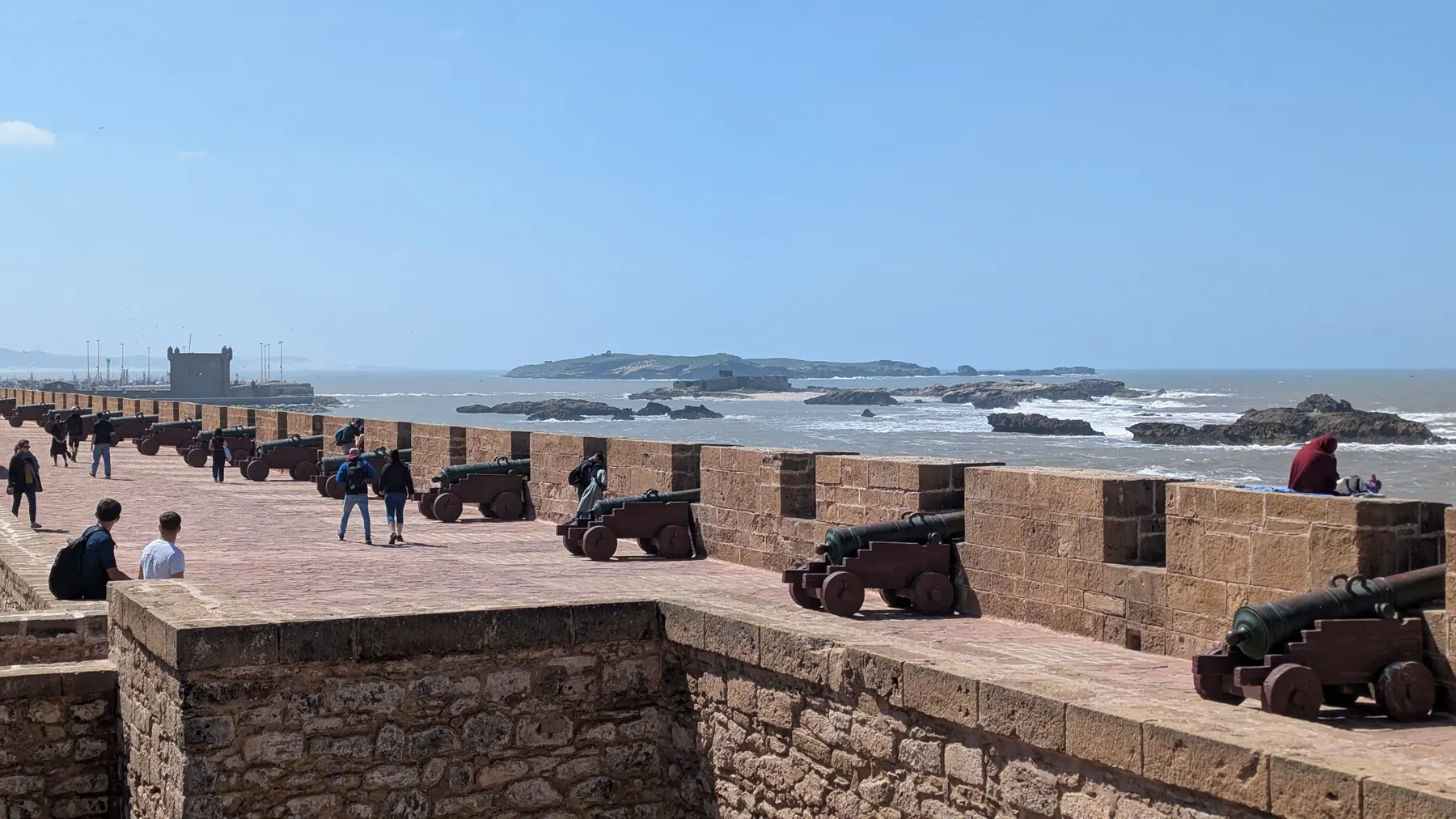
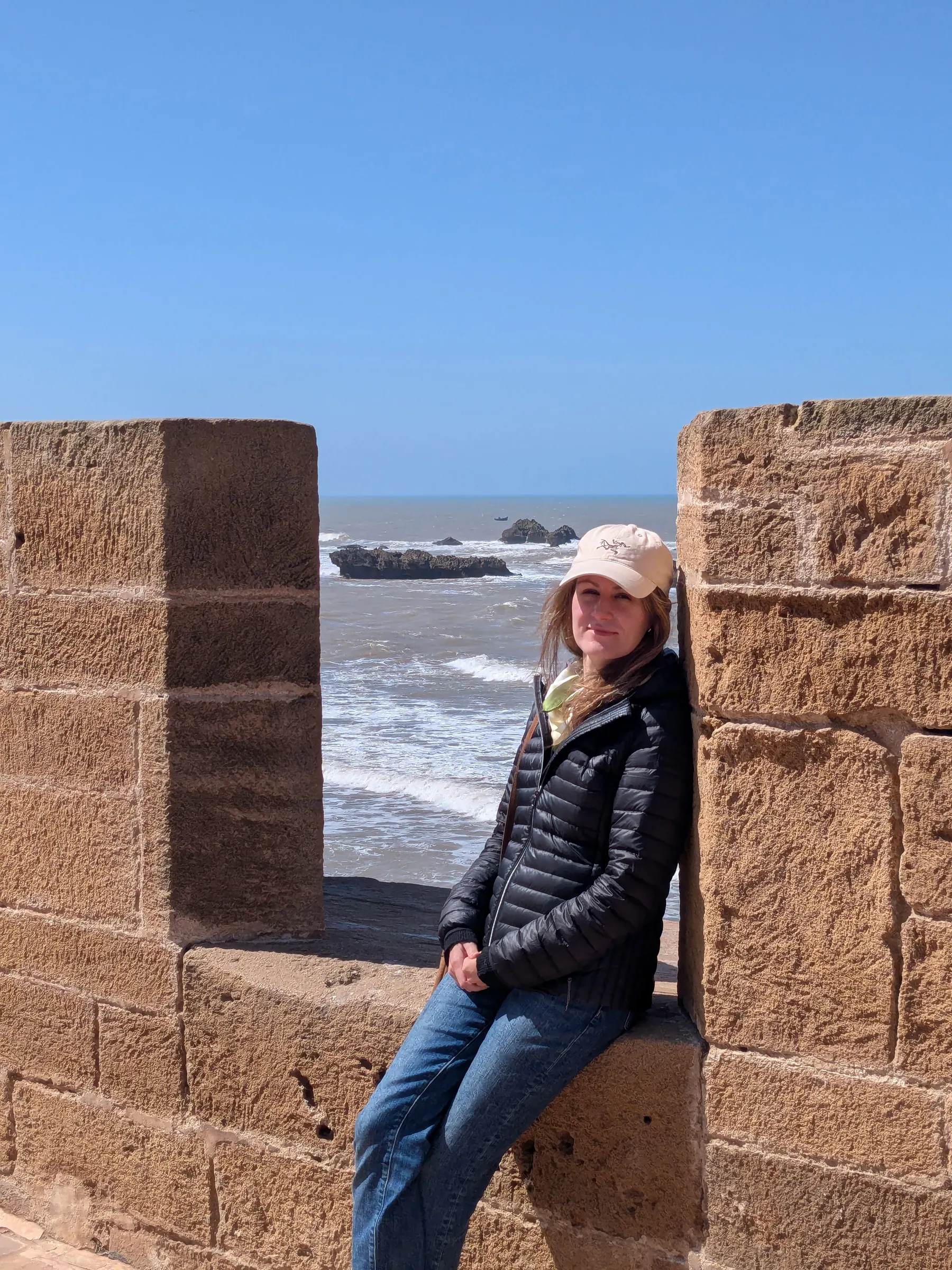
This is my strongest tip for Essaouira: go early. The old town was calm, swept clean, almost empty of tourists. The light was beautiful, the atmosphere peaceful. By midday the same streets feel completely different. Early morning is when Essaouira reveals itself properly.
The unexpected highlight of day two was Complexe Commercial Al Aswar. We stumbled upon it without expecting much, but inside, beyond the jewellery and craft shops, was a beautiful hidden garden. Flowers, benches, quiet corners: a small oasis in the middle of the city, and a genuinely relaxing atmosphere completely removed from the bustle outside. A little secret worth knowing.
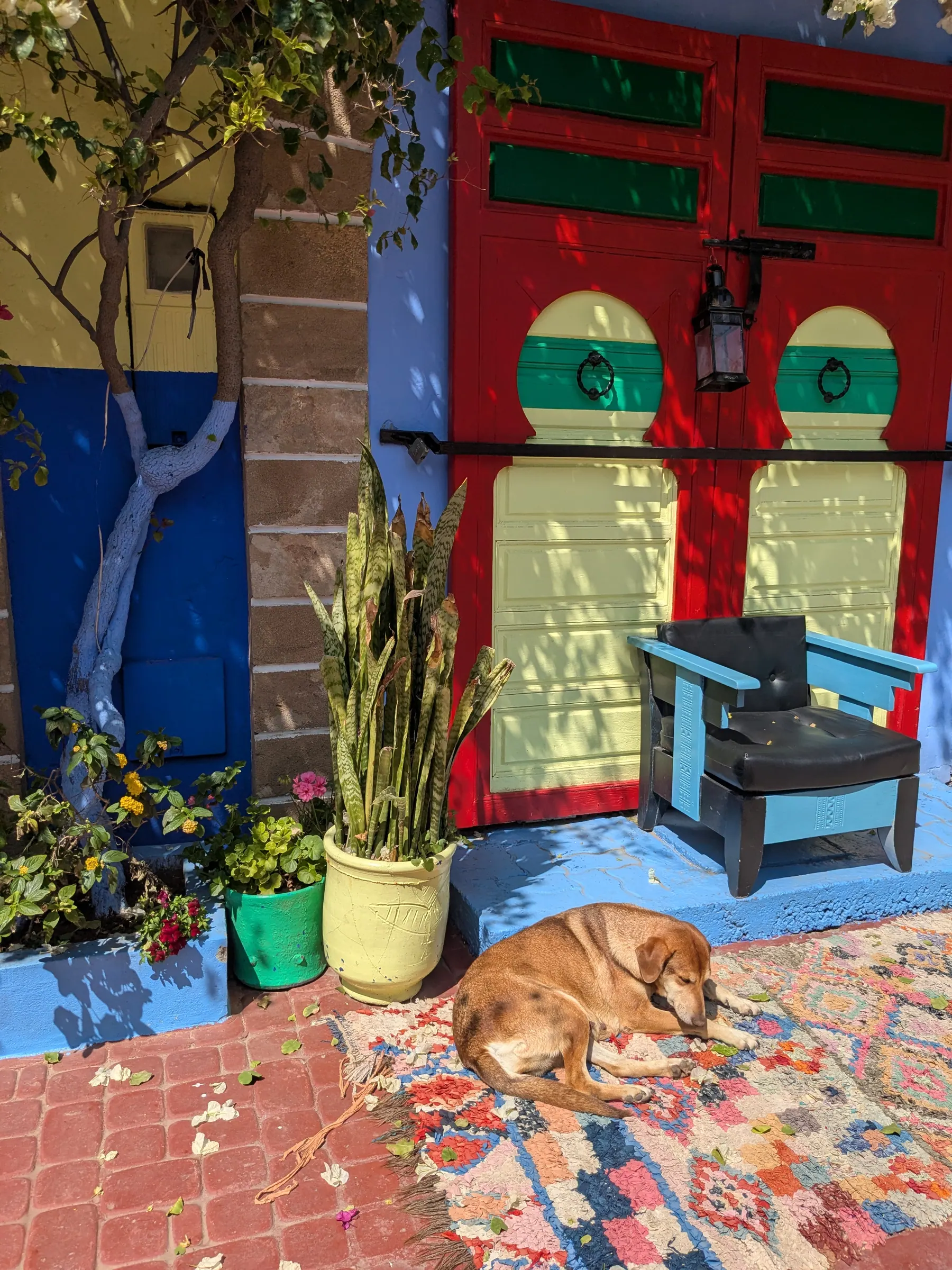
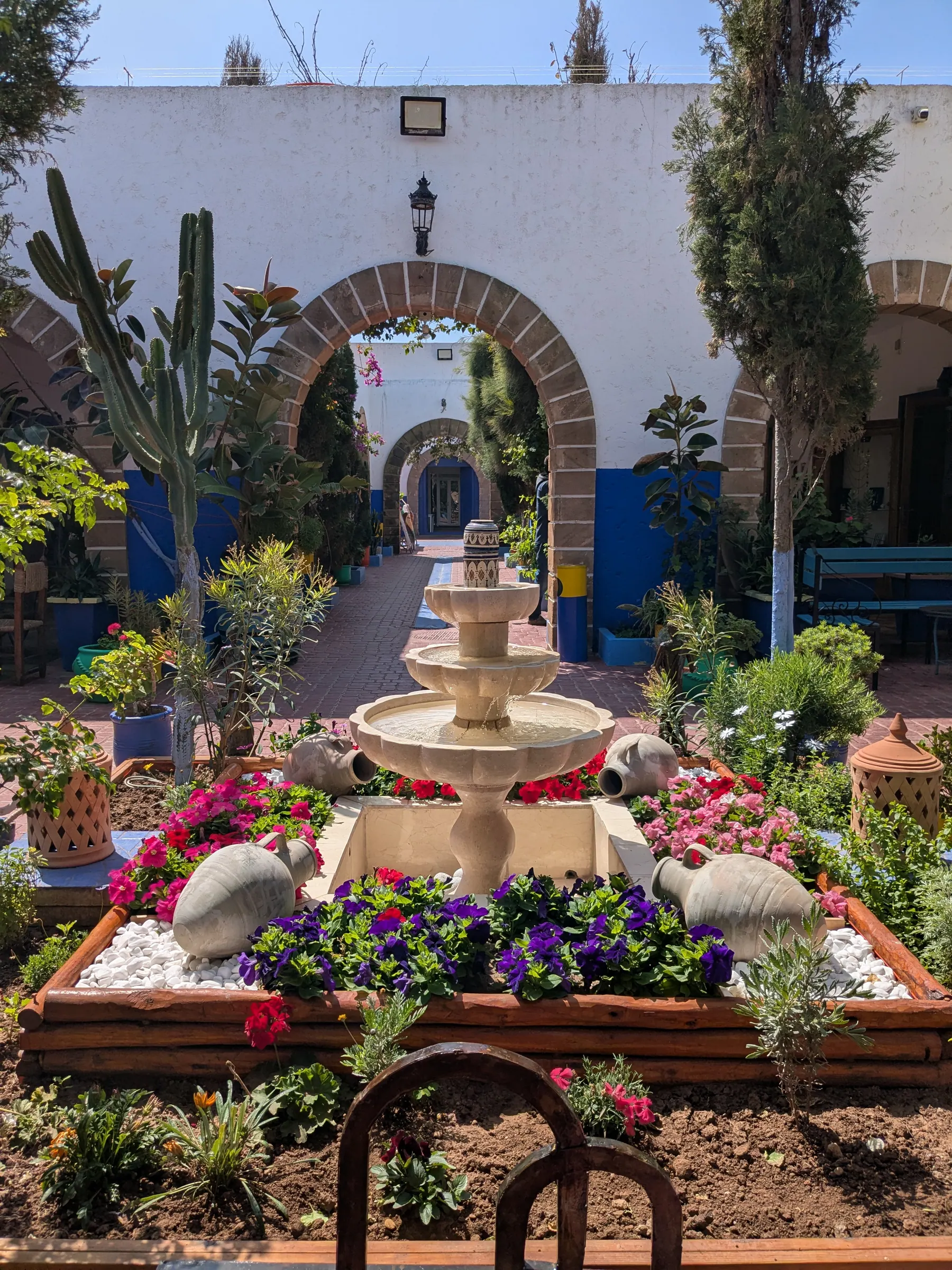
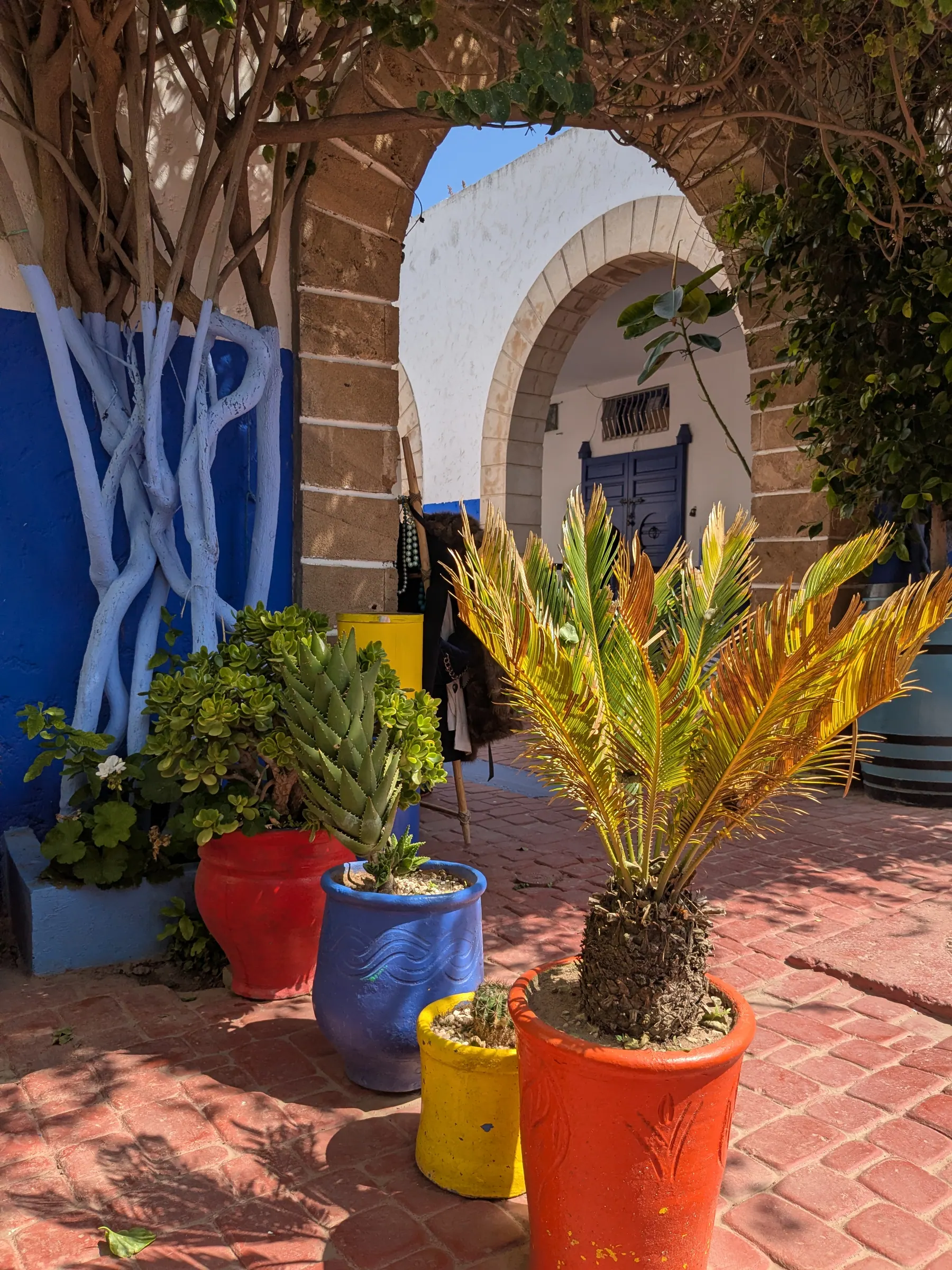
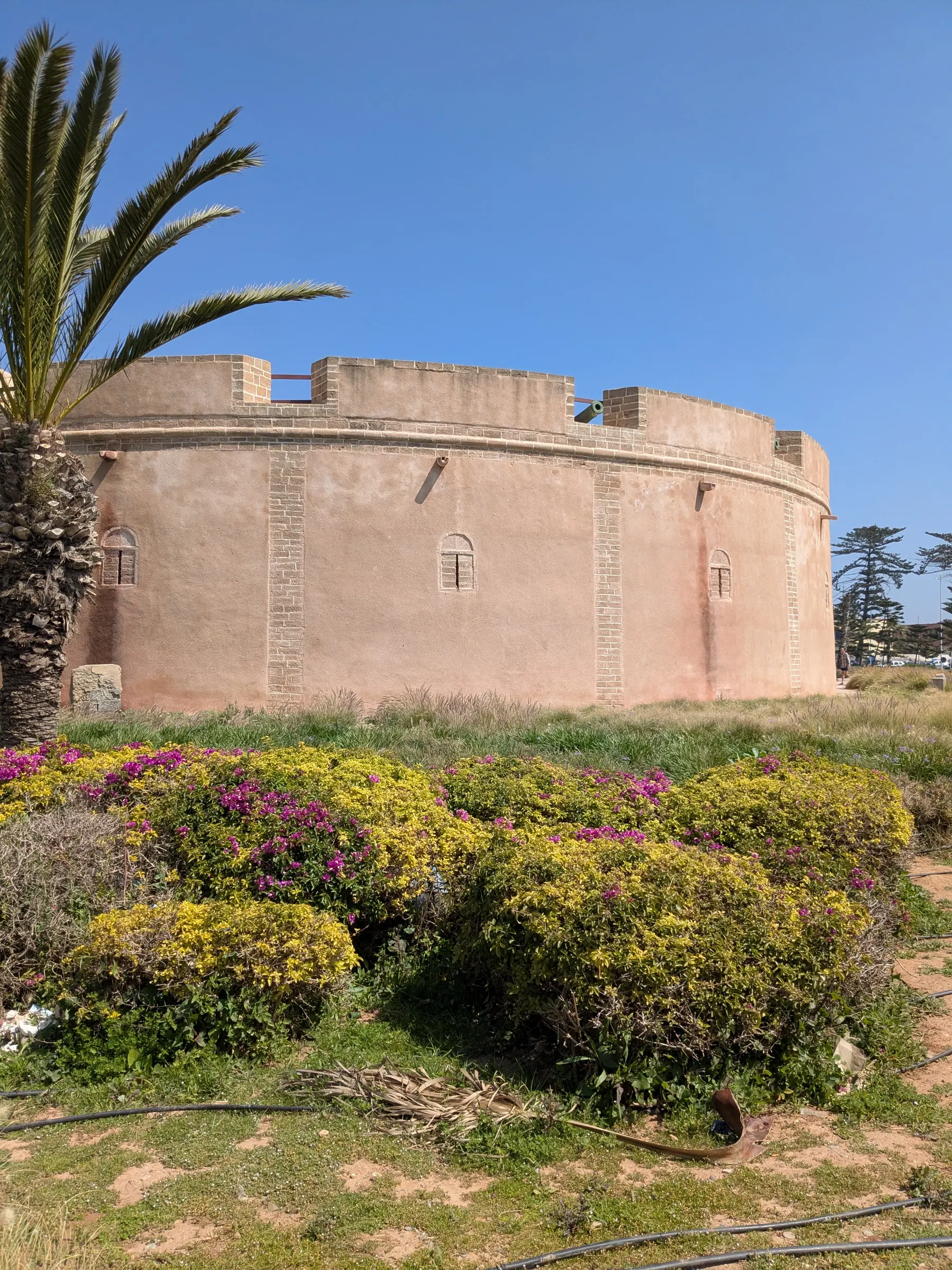
Nearby, Bab Marrakech tower was worth a quick stop too. On the day we visited there was a small painting exhibition inside, which made for a pleasant unexpected art break.
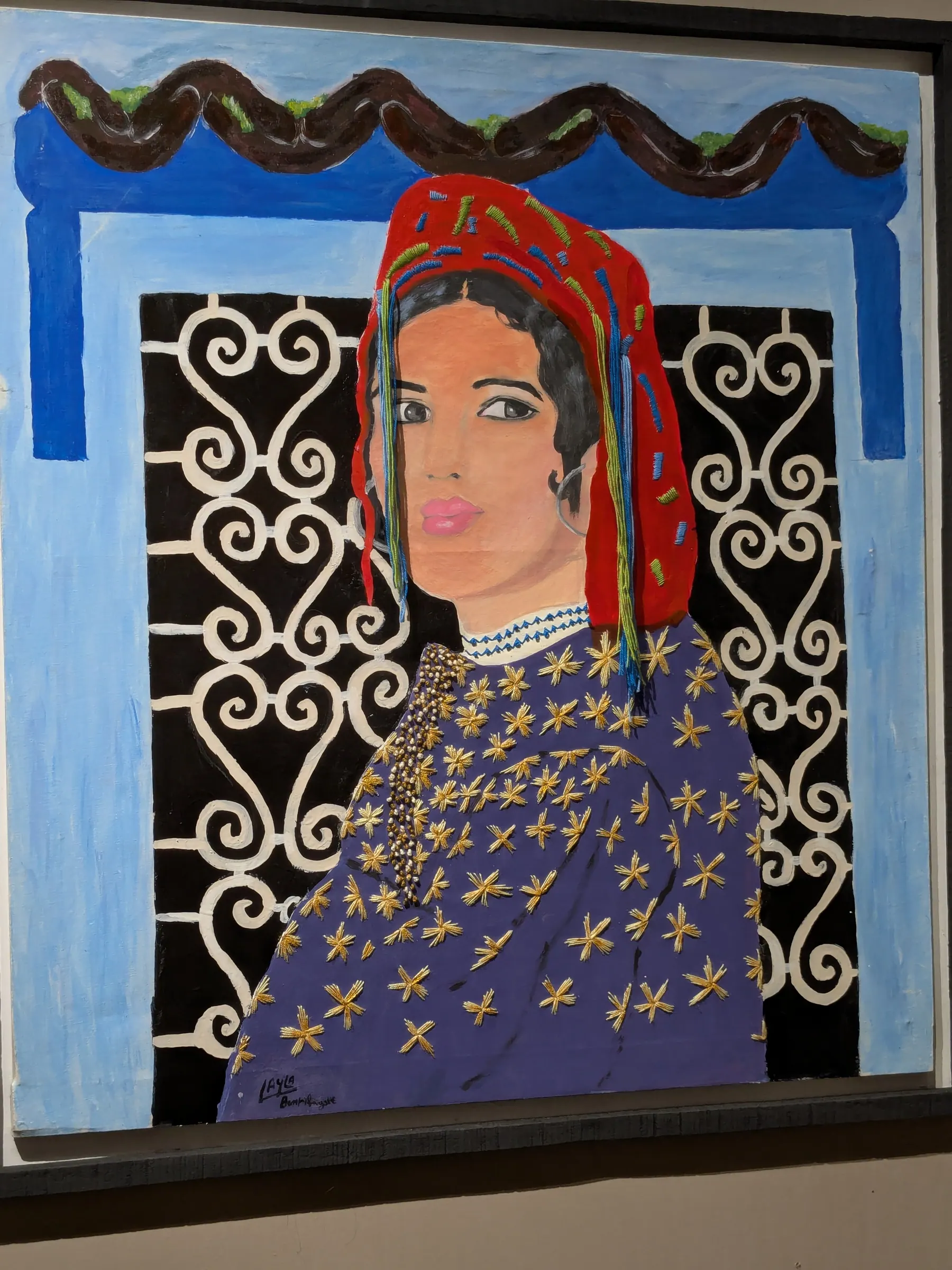
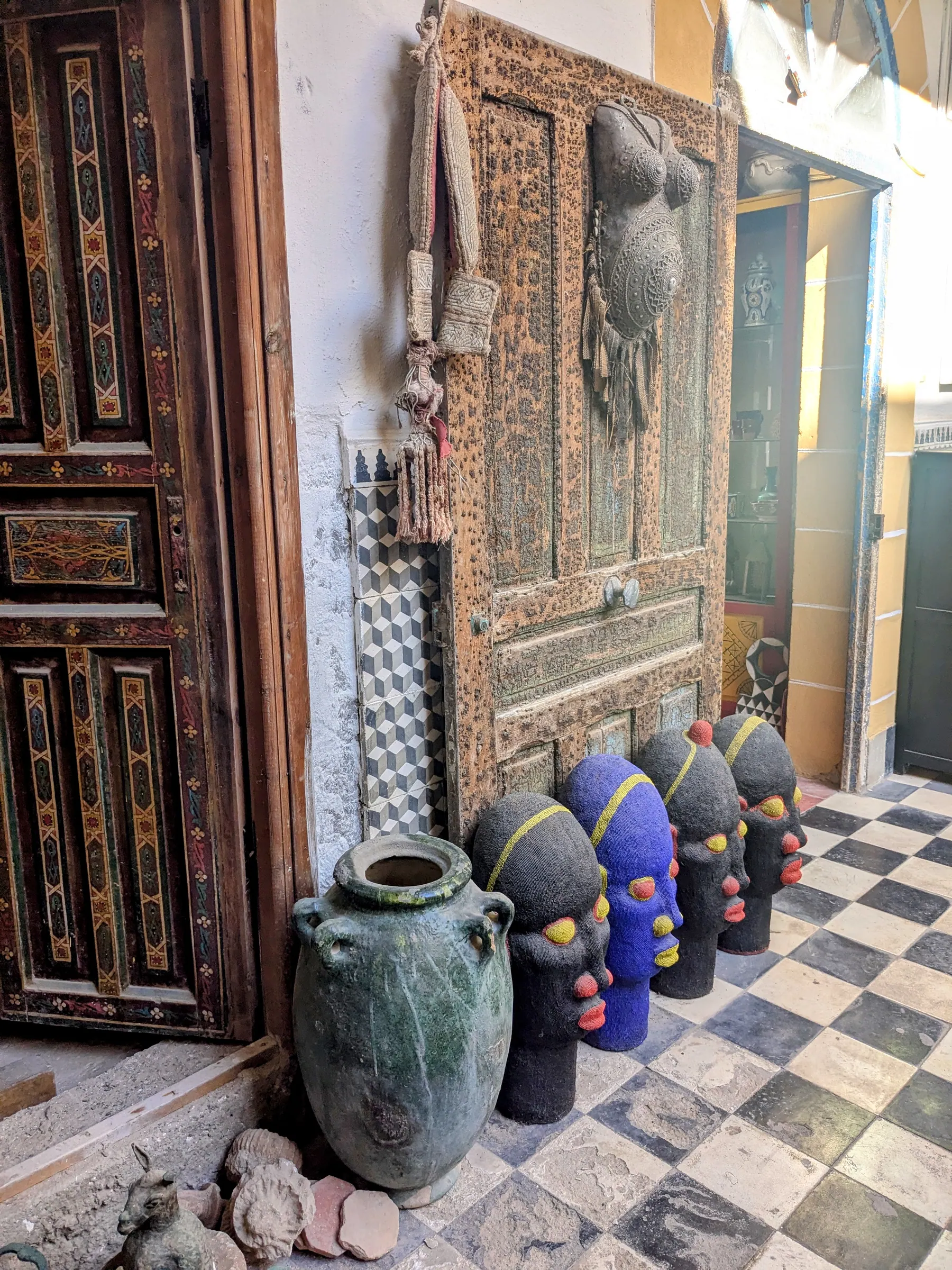
And then came Gallery Kasbah. We almost missed it entirely, thinking we had plenty of time left before our transfer back. Inside, a stunning traditional patio opened up into two floors of art: Moroccan paintings, sculptures, wooden figures, mixed styles, all exhibited in one of the most gorgeous spaces I have seen. A total feast for the eyes.
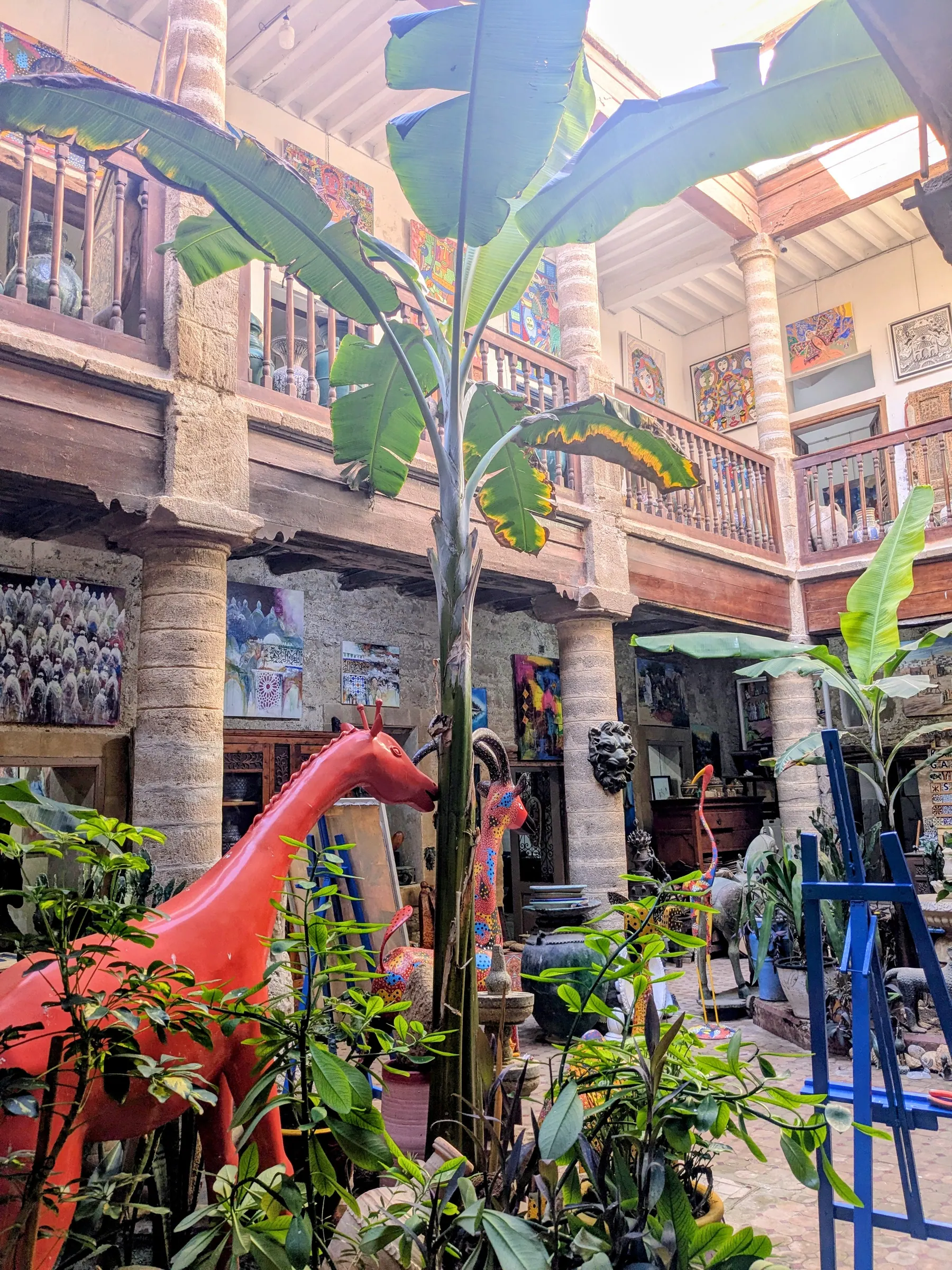
This artistic energy is no accident. Every year Essaouira hosts the Gnawa World Music Festival, one of Morocco’s most important cultural events, attracting musicians and visitors from around the world. The city has always been a magnet for creative souls and it shows in every gallery and corner.
We almost ran out of time.
Was Essaouira Worth It?
Two days was the perfect amount. Enough to scratch beneath the surface, find the port, discover the hidden garden, get lost in Gallery Kasbah and still feel relaxed by the ocean.
What I loved most was how Essaouira ended our Morocco trip: on a softer, breezier, more contemplative note after the intensity of Marrakech and the richness of Fez. The seaside does something to your pace.
Is it touristy in parts? Yes. The souvenir shops are plentiful and some areas feel polished for visitors. But walk five minutes toward the port and that version of Essaouira dissolves completely. The real city is always just around the corner.
Practical tips before you go:
- Getting to Essaouira from Marrakech: local buses are not necessarily the most convenient option, so it is worth looking into organised transfers purely as a means of transportation.
- Go early morning to avoid crowds, especially Skala de la Ville.
- For argan oil, avoid obvious tourist shops, find local stores and trust your nose.
- Do not skip the port area. It is the soul of the city.
- Keep an eye out for goats on argan trees on the drive there. We missed them, but you might get lucky.
Have you been to Essaouira? Did you spot the goats? Drop a comment below.